Reach out to us
Send us an enquiry
Take the first step – Send us an enquiry about your exciting new construction project today!
(021) 863 4891
(072) 520 6903
info@jdv-construction.co.za
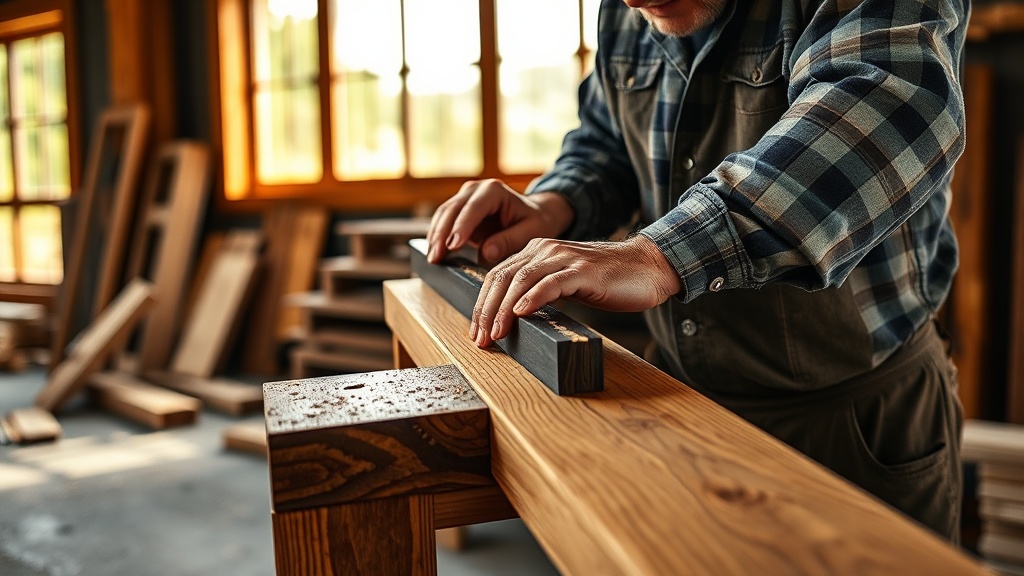
Custom joinery defines the character of a premium home. From kitchen cabinetry to hand-crafted staircases, the timber you choose and how you protect it determines whether your investment ages gracefully or deteriorates within a decade. In the Cape Winelands, where summer temperatures push past 40 degrees Celsius and winter humidity regularly exceeds 80%, getting these decisions right is not optional.
JDV Construction has spent over 15 years installing and maintaining custom joinery across Paarl, Franschhoek and Stellenbosch. This guide shares the species, finishes and moisture strategies that consistently deliver lasting results in Western Cape conditions.
The right timber species depends on three factors: intended use, exposure to moisture and the visual effect you want to achieve. Interior joinery in bedrooms and living areas can use softer, lighter species. Kitchens, bathrooms and outdoor installations demand harder, more moisture-resistant timber that holds up under daily use.
South African construction projects benefit from access to both indigenous and imported hardwoods, each with distinct performance characteristics. According to the South African Wood Preservers Association (SAWPA), untreated softwoods in humid coastal regions can lose up to 30% of their structural integrity within five years without proper species selection and preservation. JDV Construction specifies species based on decades of field experience in the Boland region, matching grain density, natural oil content and dimensional stability to each project’s specific requirements.
| Species | Best Use | Durability Class | Moisture Resistance | Price Range (per m³) |
|---|---|---|---|---|
| Kiaat (African Teak) | Doors, feature walls, staircases | Class 1 | High | R18,000 – R25,000 |
| Yellowwood | Interior cabinetry, panelling | Class 2 | Moderate | R22,000 – R30,000 |
| Oregon Pine (reclaimed) | Heritage sash windows, flooring | Class 3 | Moderate | R8,000 – R15,000 |
| Meranti | General joinery, door frames | Class 3 | Moderate | R6,000 – R10,000 |
| Garapa | Outdoor decking, pergolas | Class 1 | Very High | R12,000 – R18,000 |
| Iroko | Kitchen counters, wet areas | Class 1 | Very High | R20,000 – R28,000 |
Kiaat remains the premier choice for feature joinery in Paarl and the greater Cape Winelands. Its natural oils provide inherent resistance to wood-boring insects and fungal decay, while its warm reddish-brown tone deepens beautifully over time. For heritage restoration projects, reclaimed Oregon Pine is often the historically appropriate choice, particularly for sash windows and internal doors in Cape Dutch buildings older than 60 years.
Yellowwood, South Africa’s national tree, offers exceptional workability for detailed cabinetry and panelling. However, it requires careful moisture management in kitchens and bathrooms due to its moderate durability class.
Solid hardwood delivers unmatched character and longevity in feature applications such as staircases, front doors and wine cellar fittings. For built-in wardrobes, kitchen carcasses and areas where dimensional stability matters more than visual grain, engineered timber board (such as moisture-resistant MDF or marine-grade plywood) often performs better. The key is using the right material in the right location rather than defaulting to one solution throughout.
The finish you apply to custom joinery is as important as the timber species itself. A properly applied finish system prevents moisture ingress, UV degradation and surface wear while enhancing the wood’s natural character. In the Western Cape climate, where buildings experience significant temperature swings between seasons, finishes must accommodate timber movement without cracking or peeling.
For heritage and luxury residential projects in the Winelands, JDV Construction follows a three-layer finishing protocol that has proven effective across hundreds of installations since 2010. According to the National Home Builders Registration Council (NHBRC), finish failure accounts for approximately 15% of all timber-related warranty claims in South African residential construction. Proper specification eliminates this risk entirely.
Exterior joinery on Western Cape properties faces intense UV exposure in summer and sustained rain in winter. The most effective exterior finish systems combine a UV-resistant primer with a flexible topcoat that moves with the timber.
Moisture is the single greatest threat to custom joinery in the Western Cape. Rising damp, condensation and inadequate ventilation cause more timber damage than insects and UV combined. Understanding equilibrium moisture content (EMC) and designing for it is what separates joinery that lasts 50 years from joinery that warps within five.
The Boland region experiences relative humidity ranging from 40% in summer to over 85% in winter, according to the South African Weather Service. This means timber installed at 8% moisture content in January can absorb moisture and swell by up to 3% of its width by July. JDV Construction accounts for this seasonal movement in every joint design, clearance gap and fixing method across projects in Paarl, Franschhoek and Stellenbosch. Failing to accommodate this movement leads to cracked panels, binding doors and split mitres that are costly to repair.
Heritage properties in the Cape Winelands present unique challenges. Thick stone and lime-plastered walls breathe naturally, releasing moisture through their surfaces. Installing modern vapour barriers or cement-based plasters against these walls traps moisture and accelerates timber decay. The correct approach, as outlined in the City of Cape Town’s heritage building guidelines, is to maintain wall porosity and use lime-based plasters that allow moisture to escape.
When fitting custom joinery into heritage walls, JDV Construction uses stainless steel or brass fixings rather than standard zinc-plated screws, which corrode in damp masonry and leave rust stains on surrounding timber. This attention to period materials and sourcing is what ensures joinery in heritage properties ages with dignity rather than deteriorating.
A standard kitchen installation with custom cabinetry typically takes four to six weeks from final design approval to completed fitting. Larger projects involving staircases, built-in furniture across multiple rooms, or heritage restoration elements may require eight to twelve weeks. JDV Construction provides a detailed project timeline at the quoting stage so homeowners in the Winelands can plan renovations around the joinery schedule without surprises.
Solid hardwood joinery generally costs 40% to 60% more than equivalent engineered board solutions. A solid Kiaat kitchen in Paarl might cost R180,000 to R280,000, while a comparable design in moisture-resistant board with veneer faces would range from R110,000 to R170,000. The choice depends on budget, intended lifespan, and whether the natural grain and ageing character of solid wood is a priority for your home.
In most cases, yes. Damaged sections of door frames, window sills and built-in units can be spliced with matching timber by an experienced joiner. Loose joints can be re-glued and clamped. Surface damage from moisture or UV is often resolved through sanding and refinishing rather than full replacement. Repair is always more cost-effective and, in heritage buildings, it preserves original material that cannot be replicated.
Iroko and Kiaat are the top choices for bathroom environments due to their Class 1 natural durability and high resistance to moisture and fungal attack. Both species contain natural oils that repel water without relying entirely on surface finishes. For vanity units and shelving in guest bathrooms, properly sealed Meranti with a marine-grade finish offers a more budget-friendly alternative that still performs well in wet conditions. Contact JDV Construction for a free consultation on your joinery project.