Reach out to us
Send us an enquiry
Take the first step – Send us an enquiry about your exciting new construction project today!
(021) 863 4891
(072) 520 6903
info@jdv-construction.co.za
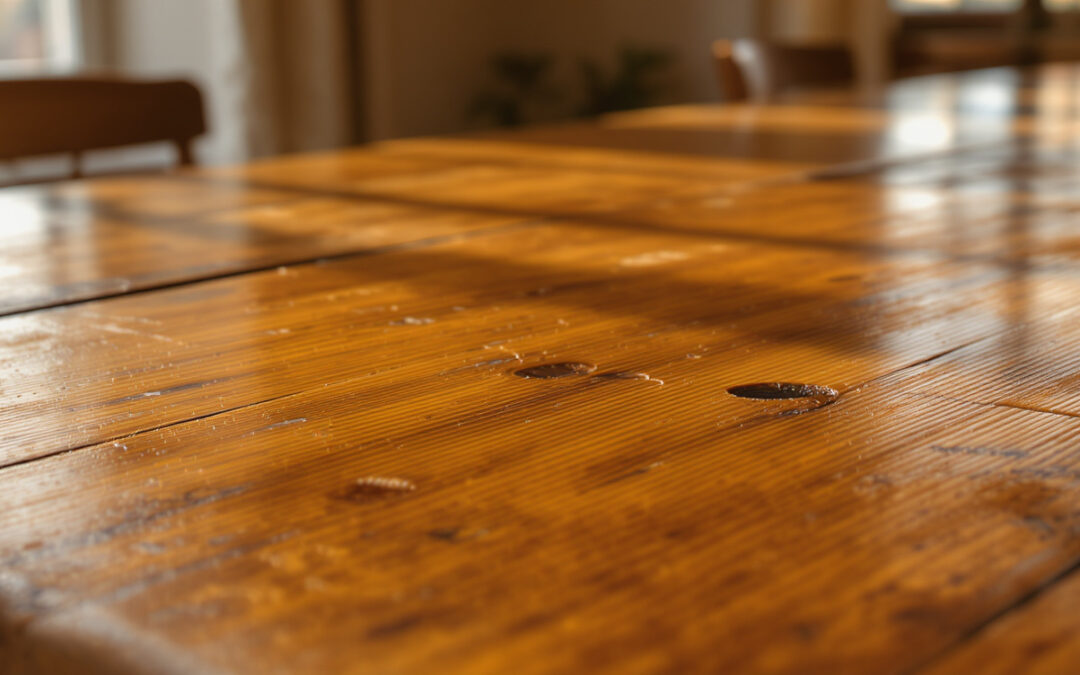
Here’s the thing about heritage finishes & patina, they completely flip the script on what we expect from wood finishing. Most finishes hit their peak on day one, then spend the next few years gracefully declining like a retired athlete. However, heritage finishes are the fine wine of the finishing world, getting better with age, use, and yes, even a bit of wear.
Moreover, these traditional finishes have become increasingly popular in premium finishes construction projects across the Cape Winelands, where discerning clients appreciate authenticity and long-term value.
Traditional heritage finishes & patina use natural ingredients like oils, waxes, and plant-based compounds that have been refined through centuries of trial and error. Unlike synthetic polyurethanes or lacquers that sit on top of wood like a plastic raincoat, these finishes soak deep into wood fibers, creating a living surface that responds to environmental changes. Furthermore, they won’t fill your workshop with enough VOCs to pickle your lungs—a definite bonus for both craftspeople and clients.
Let’s be real: the patina paradox sounds like something from a philosophy textbook, but it’s actually quite simple. Instead of panicking when your finish starts showing character marks, heritage finishes turn those “flaws” into features. Consequently, what looks “worn” after months of use is actually the finish reaching its intended character—like a perfectly broken-in pair of leather boots. Your woodwork becomes more beautiful and valuable over time, rather than heading for the refinishing graveyard.
Quick reality check: patina isn’t just fancy talk for “old and worn out.” In wood finishing, patina refers to the gradual surface changes that happen when natural finishes interact with wood, air, light, and daily use. This process creates a protective layer that actually shields the underlying material from moisture, UV damage, and general life happening to it.
Furthermore, this understanding proves crucial for heritage building restoration projects, where maintaining historical authenticity while ensuring modern protection standards can be challenging.
Wood patina forms when oils and waxes slowly oxidise, creating complex chemical bonds with wood fibers. Think of it as a very patient chemical romance, this oxidation process produces rich colour variations and subtle surface texture changes that you simply can’t fake with artificial aging techniques. Additionally, the patina layer becomes increasingly durable as it matures, providing better protection than the fresh finish ever could.
Here’s where it gets interesting: heritage finishes & patina isn’t just about looking good (though it does that brilliantly). The oxidised surface resists water penetration more effectively than fresh finishes, whilst also providing enhanced UV protection. Even better, established patina develops natural antimicrobial properties that help preserve the wood substrate, essentially your finish becomes its own bodyguard.
Different wood species interact with heritage finishes like different personalities at a dinner party, each brings something unique to the table. Dense hardwoods like yellowwood develop slowly but create exceptionally durable patina layers. Meanwhile, softer species like pine show rapid initial changes but keep evolving for years. Therefore, understanding your wood species helps predict patina development timelines and final appearance, no crystal ball required.
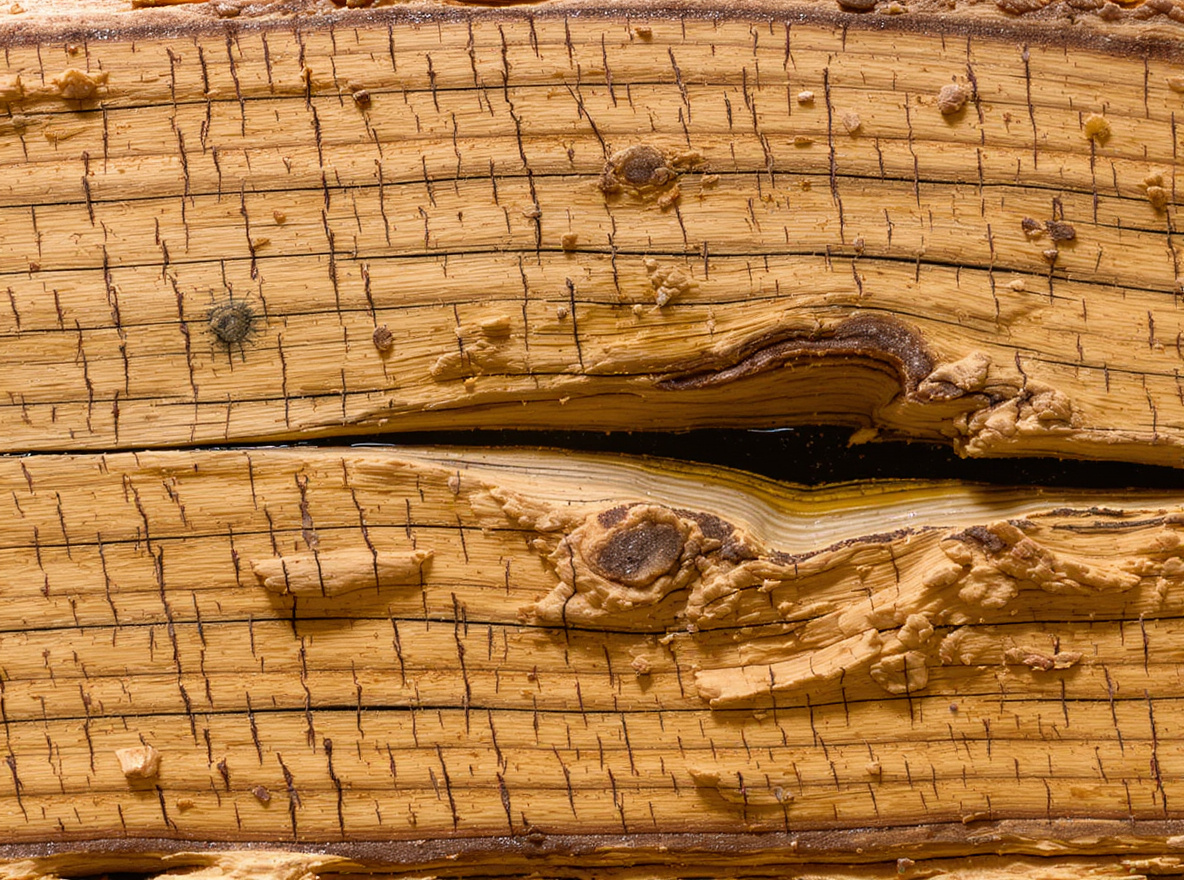
Oil finishes are the foundation of heritage finishes & patina, think of them as the reliable best friend who’s always got your back. These penetrating oils work by soaking into wood pores rather than forming surface films, creating a finish that truly becomes part of the wood itself.
Notably, oil finishes have become particularly popular in historical farmhouse restoration projects across wine estates, where authentic period finishes are essential for maintaining character. You can see examples of our restoration work featuring these traditional techniques.
Penetrating oils offer several key advantages that’ll make you wonder why anyone bothers with surface finishes:
Traditional linseed oil remains the gold standard for heritage finishing, it’s been around longer than your great-grandmother’s cast iron pan and works just as well. However, tung oil provides faster curing times and superior water resistance for high-use applications. Additionally, specialised blends combining multiple oils optimise specific performance characteristics whilst maintaining heritage authenticity, because sometimes you need the best of both worlds.
Oil application requires patience, but it rewards careful technique like a good teacher. Begin with properly prepared wood surfaces, then apply thin coats using natural bristle brushes or lint-free cloths. Each coat needs 24-48 hours curing time before the next application yes, this means you can’t rush it, no matter how excited you are to see the results. Most projects need 3-4 coats for optimal protection and appearance.
Oil finishes develop patina through gradual oxidation and polymerisation processes, fancy chemistry that basically means they get tougher and prettier with time. Initial changes appear within weeks, creating subtle colour shifts and improved surface hardness. Full patina development continues for 6-12 months, ultimately producing a finish that surpasses the original in both beauty and durability. Patience really is a virtue here.
Wax finishes are the tactile pleasers of the heritage finishing world. These finishes create a surface that actually improves with handling, perfect for furniture pieces that benefit from regular human contact. Moreover, wax finishes have found renewed popularity in boutique hotel refurbishment projects, where guest comfort and authentic character matter equally.
| Wax Type | Application | Durability | Best Use |
|---|---|---|---|
| Paste Wax | Hand application | Moderate | Furniture, decorative pieces |
| Liquid Wax | Brush or spray | Lower | Quick touch-ups, vertical surfaces |
| Hardwax | Professional application | High | Floors, heavy-use furniture |
Proper wax application isn’t rocket science, but it does require specific techniques for optimal results. Apply thin, even coats using circular motions with lint-free cloths, think “polishing a car” rather than “buttering toast.” Allow each coat to haze before buffing with clean cloths or fine steel wool. Multiple thin coats always beat single thick applications, like layers of clothing in winter.
Here’s where wax finishes get properly interesting: they initially require more attention and care than conventional finishes. However, this relationship completely reverses over time as the wax builds up protective layers and develops natural resistance to marking. Eventually, mature wax finishes become surprisingly low-maintenance whilst gaining improved durability, the ultimate relationship goal.
Wax patina forms through gradual buildup of protective layers combined with surface oxidation. Areas receiving regular contact develop enhanced protection and attractive lustre variations, high-touch surfaces like chair arms and table edges often show the most beautiful patina development. It’s like the furniture equivalent of a well-worn path through a garden.
Wood washes and lime finishes are the time machines of heritage finishing, creating subtle aging effects that simulate decades of natural weathering in months rather than years. These techniques prove particularly valuable when you want that authentic rustic look without waiting for actual decades to pass.
Interestingly, these techniques have become essential tools for Cape Dutch restoration projects, where authentic weathered appearances are crucial for historical accuracy.
Traditional washes use diluted pigments or reactive chemicals to alter wood colour whilst preserving natural grain patterns. Water-based washes penetrate deeply without creating surface films, allowing subsequent oil or wax applications. These techniques can simulate specific regional aging patterns based on climate and exposure conditions, essentially giving you the power to fake decades of coastal weathering or mountain exposure.
Lime washing creates distinctive whitened effects reminiscent of coastal weathering or barn aging. This traditional technique uses slaked lime mixed with water to create alkaline solutions that react with wood tannins, it’s chemistry in action, creating beautiful surface variations. Furthermore, lime washing provides natural antimicrobial protection whilst creating those coveted weathered effects.
Products like Pioneer Wood Patina offer convenient methods for creating authentic barn wood appearances without having to find and dismantle actual barns. These water-based concentrates contain safe, non-toxic compounds that accelerate natural aging processes. New lumber can achieve convincing aged character within days of application, instant gratification for the traditionally patient world of heritage finishes & patina.
Properly applied wash finishes demonstrate remarkable longevity when followed by appropriate topcoats. The initial wash penetrates deeply into wood fibers, creating permanent colour changes that won’t fade or wear away like a bad fake tan. Additionally, these finishes comply with environmental safety standards, making them suitable for interior applications without worry.
Hardwax oil systems are the diplomatic solution to the oil-versus-wax debate—they combine the penetration benefits of oils with the surface protection of waxes, creating versatile finishes suitable for demanding applications. It’s like having your cake and eating it too, but for wood finishing.
Consequently, these systems have become increasingly popular for tasting room refurbishment projects, where durability and character must coexist beautifully.
Hardwax oils contain carefully balanced ratios of penetrating oils, natural waxes, and compatible resins. This combination provides deep fiber penetration from oils whilst surface waxes create protective barriers against moisture and wear. Natural resins enhance durability without compromising the finish’s breathable characteristics—it’s a carefully orchestrated chemical symphony.
| System Type | Cure Time | Application | Best Use |
|---|---|---|---|
| Single-Part | 12-24 hours | DIY-friendly | Furniture, cabinets |
| Two-Part | 4-8 hours | Professional | Floors, commercial |
| Flexible Use | Variable | Both | All applications |
Here’s a trade secret: many two-part hardwax oil systems, including brands like Rubio and General Hardwax Oil, can be used without their hardener components. This flexibility allows DIY woodworkers to use professional-grade products with extended working times,. perfect when you’re working evenings and weekends rather than rushing through a commercial deadline. Cure times increase, but final results remain comparable to catalysed versions.
Hardwax oil systems provide superior performance across multiple criteria without breaking a sweat. They offer excellent resistance to water, stains, and mechanical wear whilst maintaining easy reparability, because life happens, and your finish should be able to handle it. These finishes develop attractive patina over time without losing their protective qualities.
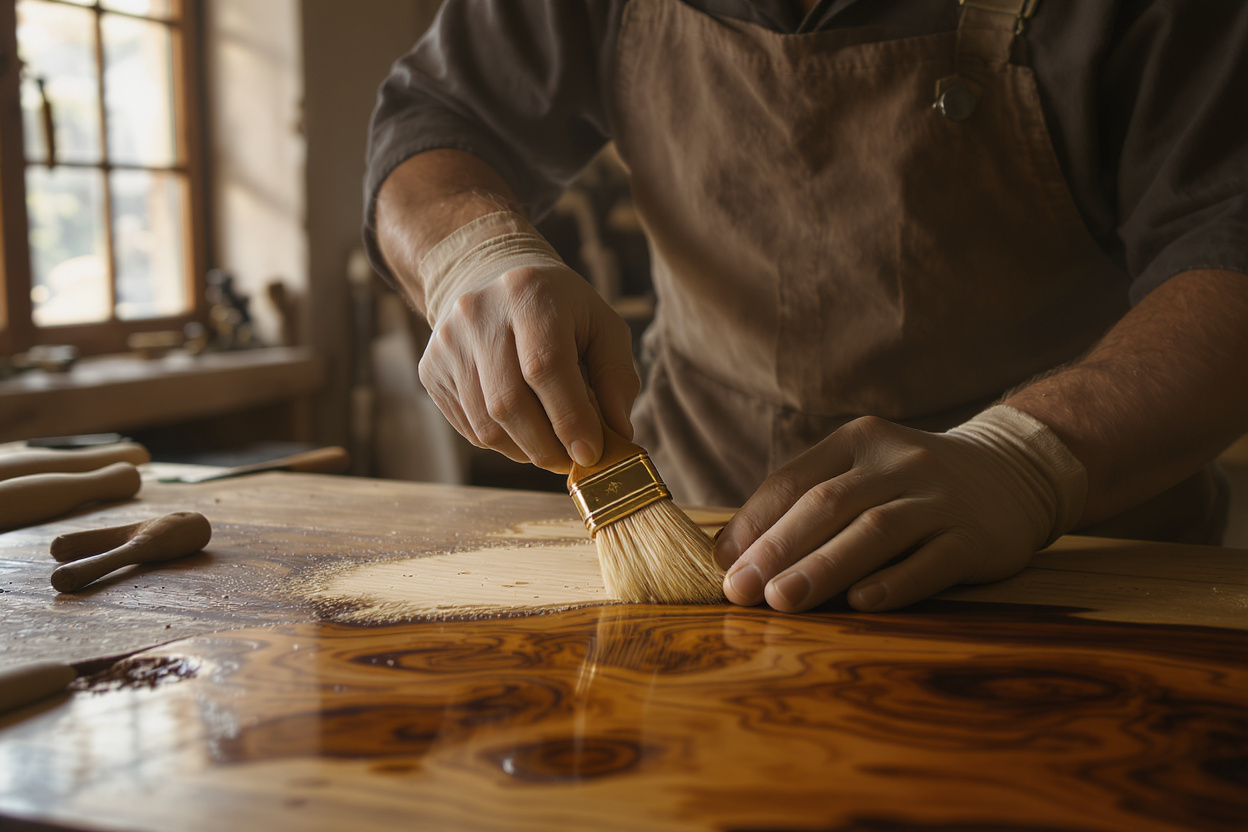
Successful heritage finish application requires attention to detail and proper technique, but don’t worry, it’s more about patience than perfection. Environmental conditions, surface preparation, and application methods all significantly impact final results and long-term performance.
Moreover, professional contractors specialising in heritage-grade materials understand these nuances intimately, ensuring optimal results for demanding projects.
Proper surface preparation is critical for heritage finish success:
Think of surface prep as the foundation of a house, get it wrong, and everything else suffers.
Different application methods suit various project requirements and skill levels. Brush application provides excellent control and penetration for detailed work, perfect for furniture with intricate details. Meanwhile, roller application covers large surfaces efficiently whilst maintaining consistent film thickness. Additionally, spray application offers professional results but requires proper ventilation and safety equipment.
Temperature and humidity affect heritage finish performance significantly. Ideal conditions range from 18-24°C with 40-60% relative humidity. Higher temperatures accelerate curing but may cause application problems, whilst excessive humidity can prevent proper film formation. Therefore, always monitor environmental conditions during application and initial curing, your finish will thank you.
Several common errors can compromise heritage finishes & patina quality faster than you can say “do-over”:
Always ensure proper ventilation when working with natural finish ingredients—even non-toxic materials can cause respiratory irritation in confined spaces, and nobody needs that.
Selecting appropriate heritage finishes requires careful consideration of intended use, environmental conditions, and expected maintenance requirements. Different finish types excel in specific applications whilst offering varying aesthetic and performance characteristics it’s about matching the right tool to the job.
Furthermore, experienced contractors understand these nuances, particularly for complex projects like restaurant renovation in the Winelands, where heritage character and modern durability requirements must harmonise perfectly.
Interior heritage finishes focus on developing beautiful patina whilst providing moderate protection against daily use. Exterior applications require enhanced UV resistance and moisture protection, because South African sun doesn’t mess around. Consequently, exterior formulations often include additional protective compounds whilst maintaining natural appearance characteristics.
High-use furniture like dining tables benefits from hardwax oil systems that combine durability with easy maintenance—because family dinners can be brutal on furniture. Display pieces can utilise traditional oil or wax finishes that develop exceptional character through gentle aging. Therefore, matching finish type to expected use ensures optimal long-term satisfaction and fewer headaches.
| Species | Best Finish | Patina Timeline | Special Considerations |
|---|---|---|---|
| Yellowwood | Oil-based | 8-12 months | Excellent penetration |
| Pine | Wax-based | 3-6 months | Quick initial changes |
| Oak | Hardwax oil | 6-9 months | Durable patina formation |
| Stinkwood | Traditional oil | 12+ months | Slow, rich development |
South African climate conditions affect patina development timelines significantly. Higher humidity accelerates initial changes whilst intense UV exposure can alter colour development patterns—coastal conditions create different patina characteristics compared to inland environments. It’s like having different artists work on the same canvas.
Heritage finishes & patina represent more than surface treatments, they embody a philosophy of embracing natural aging processes as aesthetic advantages. These heritage finishes & patina transform the traditional concept of maintenance from prevention to enhancement, creating woodwork that improves with time and use.
Moreover, this philosophy aligns perfectly with conservation-focused construction approaches that prioritise long-term value over short-term convenience.
The long-term value proposition of heritage finishes extends beyond initial cost considerations. Whilst application may require more time and patience, the resulting finish develops character and protection that synthetic alternatives simply can’t match. Heritage finishes can be maintained and renewed without complete removal, reducing lifetime costs significantly, it’s the ultimate long-term investment.
Proper maintenance of heritage finishes involves working with natural aging processes rather than against them. Periodic cleaning with appropriate products removes accumulated dirt whilst preserving patina development. Occasional light applications of compatible oils or waxes refresh protection without disturbing established character, like a gentle spa treatment for your woodwork.
The protective benefits of mature patina actually reduce maintenance requirements over time, creating a finish system that becomes more efficient and beautiful with age. This unique characteristic makes heritage finishes & patina ideal investments for woodworkers and property owners who appreciate authenticity and long-term value, and who doesn’t want furniture that gets better with age?
Ready to incorporate heritage finishes & patina into your next project? Contact us for expert guidance on premium finishes construction and heritage-grade materials selection. As experienced Cape Winelands builders specialising in historical authenticity preservation, we understand how traditional finishes enhance both residential and hospitality projects. Whether you’re planning luxury home renovations or boutique hospitality construction, our team ensures your heritage finishes & patina develop beautiful patina whilst maintaining modern performance standards.