Reach out to us
Send us an enquiry
Take the first step – Send us an enquiry about your exciting new construction project today!
(021) 863 4891
(072) 520 6903
info@jdv-construction.co.za
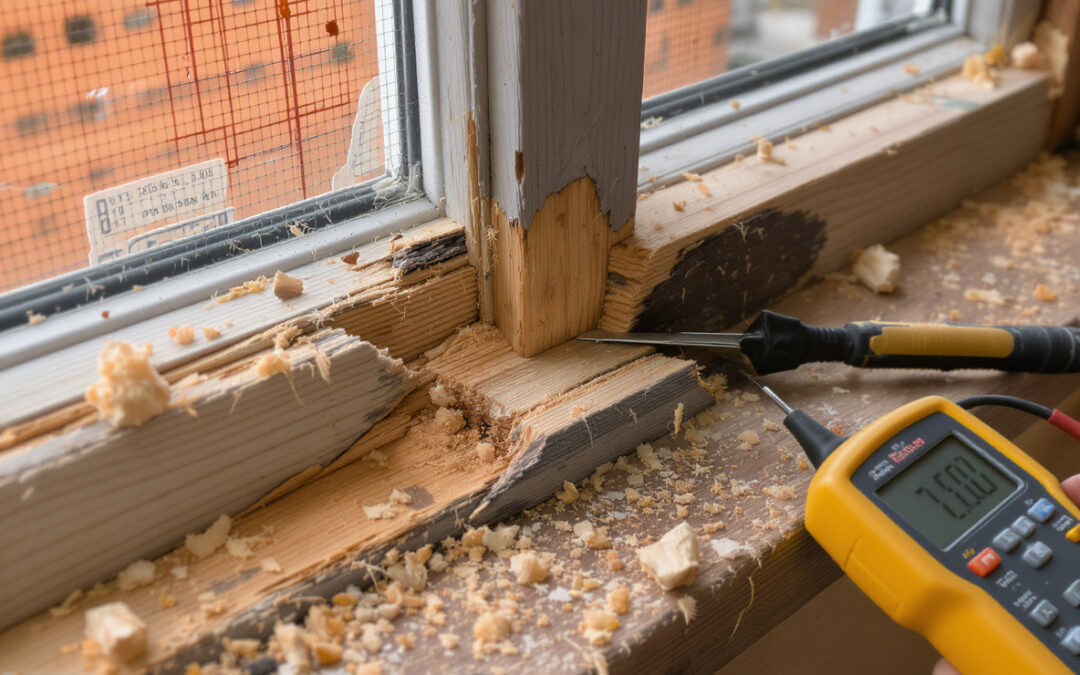
Professional timber repairs represent one of the most cost-effective approaches to preserving heritage architecture while maintaining structural integrity. In South Africa’s Cape Winelands region, where Victorian and Edwardian buildings showcase magnificent sash windows and exposed timber beams, understanding proper timber repairs and techniques becomes essential for property owners and restoration contractors alike.
Amateur timber repairs often create more problems than they solve. When property owners attempt quick fixes using inappropriate materials or methods, they frequently compromise the structural integrity of windows and beams. As a result, what begins as a minor repair can escalate into major restoration work that eventually requires complete replacement.
Professional timber repairs, however, offer substantial savings compared to full replacement. Heritage property owners typically save 60–80% when choosing expert restoration over wholesale replacement. Furthermore, proper repairs preserve the original character and historical value that makes Cape Winelands properties so distinctive.
Modern conservation philosophy emphasizes repair over replacement whenever structurally viable. This approach aligns with international heritage building conservation standards, which prioritize preserving original materials and craftsmanship. Therefore, skilled timber repairs honor the building’s history while still incorporating modern conservation materials and techniques where appropriate.
The Society for the Protection of Ancient Buildings (SPAB) principles guide this philosophy and advocate for minimal intervention that maintains structural integrity without compromising historical authenticity. Additionally, this approach proves environmentally sustainable, because it reduces waste and preserves the embodied energy in existing materials.
Distinguishing between structural and cosmetic damage forms the foundation of any professional assessment. Cosmetic issues include surface weathering, minor scratches, and superficial paint damage that do not affect load-bearing capacity. However, structural damage involves rot, insect damage, or mechanical failure that compromises the timber’s ability to perform its intended function.
A professional assessment examines several critical factors:
Modern structural assessment employs both traditional techniques and advanced technology. Moisture meters provide precise readings of internal moisture levels, while resistance drilling measures timber density throughout its cross-section. Additionally, visual inspection by experienced craftsmen reveals subtle signs of deterioration that instruments might miss.
The probe test using a sharp awl determines timber hardness and identifies soft spots that indicate internal decay. Meanwhile, structural engineers may recommend load testing for critical beams supporting significant weight. Furthermore, thermal imaging can reveal moisture patterns that remain invisible to conventional inspection methods.
Generally, timber elements with less than 50% structural damage remain viable candidates for timber repairs rather than full replacement. However, economic considerations extend beyond immediate costs and include long-term maintenance, energy efficiency, and preservation of heritage value.
Professional structural assessment also considers thermal expansion matching between original timber and repair materials. This compatibility prevents stress concentration that could lead to future failures. Consequently, proper material selection ensures repairs last for decades instead of requiring repeated intervention.
Modern conservation materials must match the thermal expansion properties of original timber species rather than simply providing maximum strength. Mismatched expansion rates create stress concentrations at repair joints, which leads to premature failure and secondary damage. Therefore, professional timber repairs prioritize compatibility over raw performance specifications.
| Material Type | Expansion Rate | Best Applications | Durability |
|---|---|---|---|
| Epoxy Consolidates | Matches timber | Structural reinforcement | 25+ years |
| Traditional Hide Glue | Natural match | Joint restoration | 15–20 years |
| Modern PVA Adhesives | Variable rates | Non-structural repairs | 10–15 years |
Epoxy consolidates penetrate deep into deteriorated timber and create a composite material that maintains the original’s appearance while providing enhanced strength. However, these modern materials require careful application by trained professionals to avoid over-hardening that creates rigid zones within otherwise flexible timber structures.
Traditional adhesives like hide glue offer reversibility, which allows future conservators to modify repairs without damaging surrounding material. Furthermore, these time-tested materials provide proven compatibility with historic timber species commonly found in Cape Winelands buildings.
Matching timber species ensures consistent grain patterns, color, and working properties. Cape yellowwood, Oregon pine, and imported hardwoods each require specific approaches based on their unique characteristics. Additionally, new timber must be properly seasoned to match the moisture content of existing elements, so that movement and checking remain controlled.
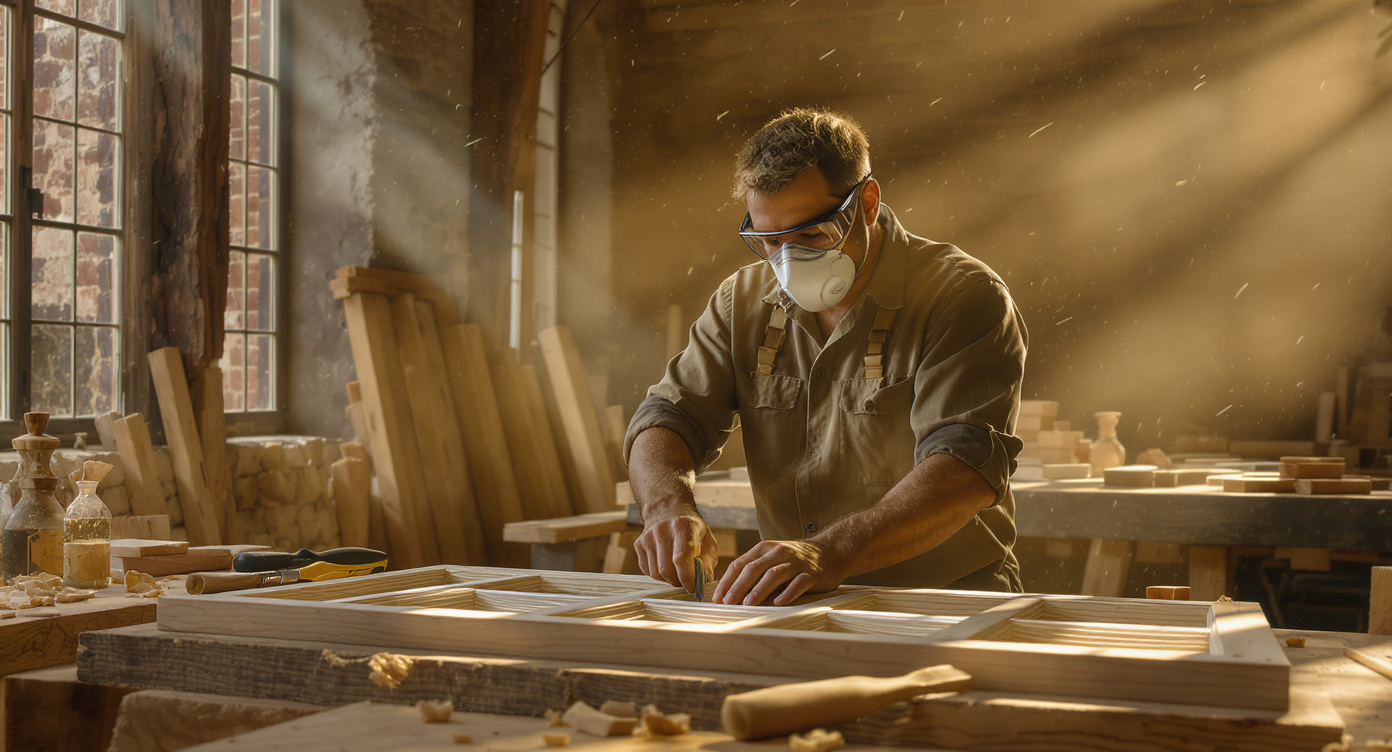 Expert timber restoration preserves Cape Winelands heritage architecture
Bottom rail rot represents the most common sash window problem and is typically caused by water infiltration and inadequate drainage. However, innovative in-situ repair techniques allow sash window restoration without removing the entire window assembly. This approach maintains the weather seal during work and significantly reduces labor costs.
The repair process involves cutting out rotted sections while leaving healthy timber in place. Consequently, new timber pieces are carefully fitted and secured using traditional joinery methods reinforced with modern adhesives. Furthermore, proper drainage channels and drip details help prevent future water accumulation and prolong the life of the timber repairs.
Meeting rails require specific dimensional relationships to function properly within the sash window system. These components must be proportionally thicker than other sash elements and typically measure 1/16 inch less than the parting strip thickness. This precise relationship ensures proper weatherstripping accommodation and a reliable structural connection.
Professional sash window restoration maintains these critical dimensions while also incorporating modern weatherproofing technologies. Therefore, restored windows achieve superior energy efficiency without compromising historical accuracy or traditional sightlines.
Parting strips create the running tracks for upper and lower sashes while providing structural separation between window components. Therefore, these seemingly minor elements require careful attention during restoration to ensure smooth operation and proper weather sealing.
Modern conservation techniques often reinforce original parting strips with discrete steel reinforcement or replace them with dimensionally identical components crafted from superior materials. Additionally, proper installation includes adjustable features that can accommodate seasonal timber movement, which reduces sticking and draughts over time.
Traditional mortise and tenon joints may loosen over time due to timber shrinkage, adhesive failure, or mechanical stress. However, modern epoxy injection techniques can consolidate these joints without dismantling the entire assembly. Furthermore, this approach preserves original timber and maintains historical authenticity.
The consolidation process involves drilling small access holes and injecting low-viscosity epoxy that penetrates all joint surfaces. Consequently, the timber repairs create a stronger connection than the original while remaining virtually invisible.
Severely damaged tenons require replacement using traditional joinery methods adapted with modern conservation materials. The process involves carefully removing the damaged section and crafting a new tenon from matching timber species. Additionally, the repair incorporates modern adhesives that provide superior longevity.
Replacement tenons must match the original grain orientation and mechanical properties to ensure proper load distribution. Therefore, experienced craftsmen select timber from the same species and, where possible, similar growth conditions to achieve consistent performance.
Structural reinforcement often requires discrete steel elements or carbon fiber strips that provide additional strength without visible alteration. However, these modern interventions must be carefully planned to avoid creating rigid zones that transfer stress to adjacent timber elements.
Where appropriate, reinforcement is concealed within existing profiles or cavities. As a result, the visual character of beams, posts, and window components remains unchanged while their structural capacity is significantly improved.
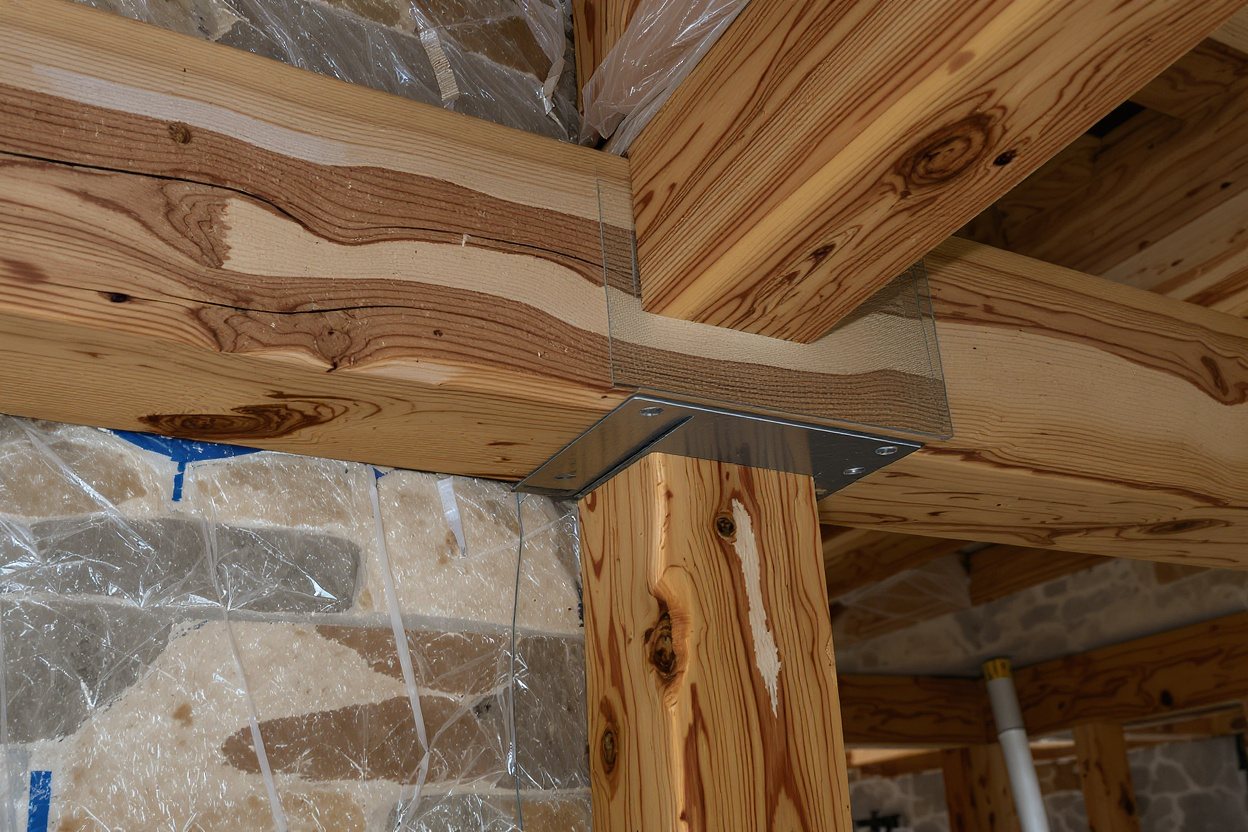
Beam end rot typically occurs where timber elements penetrate masonry walls and experience prolonged moisture exposure. However, specialized repair techniques can restore structural capacity without replacing the entire beam. Furthermore, these beam repairs often prove more economical than the structural alterations required for full beam replacement.
Key safety considerations include:
Modern beam repairs often incorporate steel reinforcement elements that provide additional load-bearing capacity while remaining concealed within the timber profile. However, these reinforcements require careful design to avoid creating stress concentrations or galvanic corrosion.
The integration process involves routing channels within the timber structure and installing steel elements using structural adhesives or mechanical fixings. Consequently, the composite beam achieves superior performance while still maintaining its original appearance and alignment within the structure.
Beam repairs must maintain clear load paths from applied loads through the structure to foundation elements. Therefore, professional structural assessment examines the entire load-bearing system rather than focusing solely on the visibly damaged component.
In many cases, supplementary supports or improved connections at bearing points form part of the repair strategy. As a result, the overall system gains redundancy and resilience against future movement, decay, or overloading.
Historic timber requires breathable finishing systems that allow moisture vapor transmission while still providing weather protection. Therefore, traditional linseed oil-based paints and modern vapor-permeable coatings offer superior performance compared to impermeable synthetic finishes.
These breathing finishes prevent moisture accumulation within timber elements that could otherwise lead to rot and decay. Furthermore, they maintain the timber’s natural expansion and contraction, which reduces cracking and peeling of coatings over time.
Modern weatherstripping systems can transform drafty heritage windows without damaging historic fabric. Spring bronze weatherstripping, for instance, provides excellent sealing while accommodating the natural movement of timber components. However, installation requires careful measurement and positioning to avoid binding or interference with window operation.
Brush pile weatherstripping offers another conservation-friendly option, particularly for irregular gaps that develop over time. This flexible system adapts to timber movement while maintaining an effective seal against weather infiltration and noise, so comfort and energy performance both improve.
Preventive maintenance extends the life of timber repairs far beyond their expected service life. Annual inspections should focus on moisture ingress points, joint movement, and finish condition. Additionally, seasonal adjustments may be necessary as timber responds to humidity changes throughout the year.
A typical maintenance schedule includes:
Regular maintenance also provides early warning of emerging problems. Therefore, small issues can be addressed promptly before they compromise structural integrity or require major intervention.
Professional timber repairs and conservation work adhere to established standards developed by heritage organisations and structural engineering bodies. In South Africa, practitioners often reference British Standards and SPAB guidance adapted for local conditions and timber species.
The Institute of Structural Engineers provides technical guidance for structural timber repairs, while heritage conservation bodies establish aesthetic and historical accuracy standards. Furthermore, local building regulations may require structural engineer approval for significant beam repairs or alterations to load-bearing elements.
Property owners should watch for warning signs that indicate substandard repair work:
If a contractor suggests wholesale replacement without thorough assessment, consider that a red flag. In that case, seek a second opinion from a timber conservation specialist who understands both structural and heritage requirements.
Proper documentation is essential for heritage properties, both for insurance purposes and for future conservation work. Detailed records should include photographic evidence of damage, repair techniques employed, material specifications, and structural calculations where applicable.
This documentation proves invaluable for future conservators who need to understand previous interventions. Moreover, well-documented repairs often command higher property valuations and demonstrate responsible stewardship to heritage authorities.
Protect your heritage property investment with professional timber repair assessment. Contact a certified timber conservation specialist to evaluate your sash windows and structural beams using proven conservation techniques that preserve both aesthetic and structural integrity.
Professional timber repairs represent a sound financial investment that goes beyond simple cost savings. Quality restoration work enhances property value while preserving the unique character that makes Cape Winelands heritage properties so desirable. Furthermore, proper repairs break the ongoing cycle of deterioration that eventually necessitates expensive replacement work.
The thermal efficiency improvements achieved through professional sash repair and sash window restoration reduce energy costs for decades. Meanwhile, structural beam repairs and careful beam splicing ensure continued safety and building performance without the disruption and expense of major structural alterations.
Property owners should consider professional assessment when visual inspection reveals signs of structural damage, persistent moisture problems, or operational difficulties with windows and doors. Early intervention typically proves more cost-effective than waiting for problems to escalate.
However, the decision also extends beyond immediate repair needs. Heritage properties deserve conservation techniques that honour their historical significance while incorporating modern performance standards. Therefore, professional assessment ensures timber repairs contribute to long-term preservation rather than merely addressing short-term symptoms.
The investment in proper timber repairs pays dividends through enhanced property value, improved energy efficiency, and preservation of architectural heritage that connects us to South Africa’s rich building traditions.