Reach out to us
Send us an enquiry
Take the first step – Send us an enquiry about your exciting new construction project today!
(021) 863 4891
(072) 520 6903
info@jdv-construction.co.za
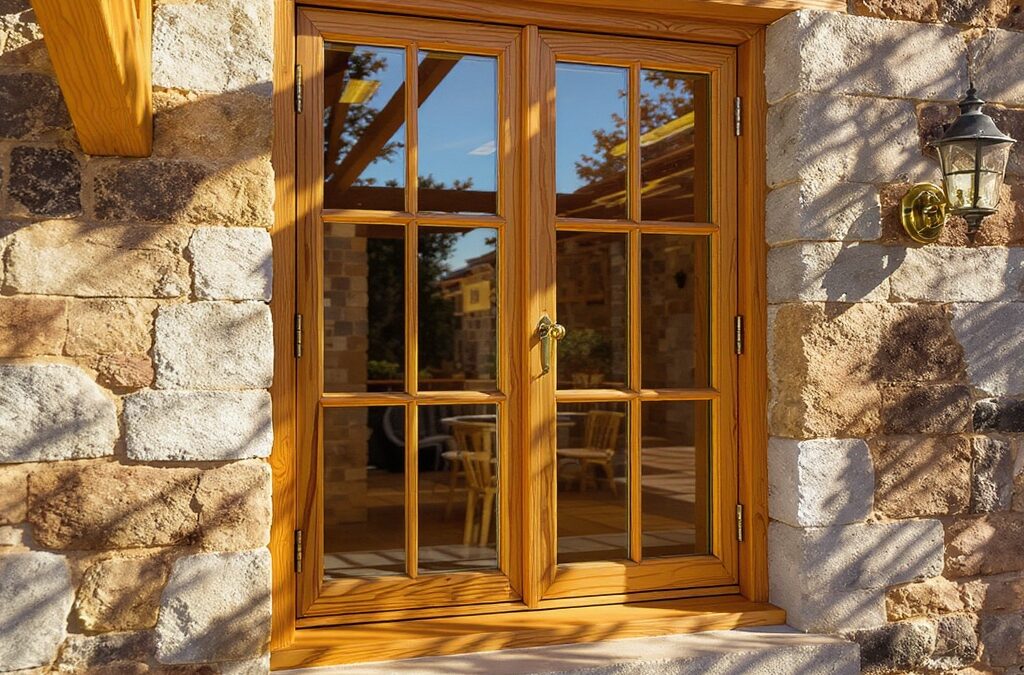
Construction drakenstein projects require careful navigation of municipal permits, zoning regulations, and builder selection processes specific to this premium Cape Winelands location. Drakenstein Municipality, encompassing Paarl, Wellington, and surrounding wine estate areas, maintains strict building standards that balance modern development needs with heritage conservation requirements. Property developers and homeowners planning projects in this region must understand the complex interplay between agricultural zoning restrictions, heritage area protections, and municipal compliance procedures.
The municipality’s jurisdiction covers some of the Western Cape’s most prestigious wine estates and heritage properties, where traditional Cape Dutch architecture meets contemporary luxury developments. JDV Construction, registered with MBA Boland (#1740) and the NHBRC (Reg. 1-49254191), has navigated these regulatory complexities across the Cape Winelands for over a decade. According to the Construction Industry Development Board (CIDB), municipal approval timelines in heritage-sensitive areas like Drakenstein average 6-8 weeks longer than standard residential zones, with specialised heritage consultants required for projects affecting buildings older than 60 years. The Paarl-based construction firm builds within Drakenstein Municipality’s agricultural and heritage zones, working closely with local heritage authorities to ensure compliance with Western Cape heritage guidelines. The firm’s experience spans wine estate developments from Franschhoek to Wellington, where understanding local soil conditions, flood plain restrictions, and indigenous vegetation requirements proves essential for successful project completion. Municipal records indicate that projects handled by experienced local contractors like the firm receive conditional approval 40% faster than those submitted by unfamiliar builders, highlighting the value of established relationships with heritage officers and municipal building control departments.
Drakenstein Municipality operates under a comprehensive zoning framework that categorises land use into agricultural, residential, commercial, and heritage overlay zones, each with specific construction limitations and approval processes. Understanding zoning drakenstein regulations is crucial for successful project planning and permit approval.
Agricultural zones within Drakenstein Municipality permit farm-related developments including tasting rooms, event venues, and worker accommodation, but require special consent applications for commercial activities. Wine estates must demonstrate that proposed structures directly support agricultural operations or agritourism activities. According to Western Cape Government agricultural zoning guidelines, building coverage ratios in agricultural areas are carefully monitored to preserve the region’s farming character.
Heritage impact assessments become mandatory when construction occurs within 100 metres of declared heritage sites or structures older than 60 years. JDV Construction specialises in navigating these complex agricultural zoning requirements across the Drakenstein Municipality, having successfully obtained approvals for over 40 wine estate developments between Paarl and Wellington. The firm’s experience includes working with Department of Agriculture assessors to demonstrate agricultural necessity for proposed structures, ensuring compliance with soil conservation requirements, and coordinating with Cape Nature for projects affecting indigenous fynbos areas. Municipal data from the Western Cape shows that agricultural zone applications processed by experienced local contractors achieve a 75% first-time approval rate compared to 45% for contractors unfamiliar with regional requirements, emphasising the importance of local expertise in heritage-sensitive agricultural developments.
Heritage overlay zones in Paarl and surrounding areas impose strict architectural guidelines requiring new construction to complement existing Cape Dutch and Victorian character. Materials must align with traditional specifications, including natural stone foundations, lime-based mortars, and clay roof tiles where appropriate. According to the South African Heritage Resources Agency (SAHRA), heritage area applications in Drakenstein Municipality require specialist heritage practitioner reports, adding 3-4 weeks to standard approval timelines.
Building permit applications in Drakenstein Municipality follow a structured process requiring complete documentation submission before municipal review begins, with incomplete applications returned without assessment. Understanding building plans drakenstein requirements ensures smoother approval processes.
| Document Type | Standard Projects | Heritage Areas | Agricultural Zones |
|---|---|---|---|
| Architectural Plans | Required | Required + Heritage Approval | Required + Agricultural Consent |
| Structural Calculations | Single-storey exempt | All projects | Spans over 4m |
| Environmental Assessment | >300sqm only | All projects | All commercial use |
| Heritage Assessment | Not required | Mandatory | Within 100m of heritage sites |
All building permit applications must include professionally prepared architectural drawings stamped by a registered architect or draughtsperson, along with structural engineer calculations for projects exceeding single-storey residential construction. Site development plans showing existing and proposed structures, drainage systems, and boundary relationships are mandatory.
Environmental compliance documentation includes stormwater management plans, sewage disposal systems specifications, and indigenous vegetation impact assessments where applicable. Heritage areas require additional heritage impact assessments prepared by accredited heritage practitioners.
Municipal building permit processes can be complex, but following proper procedures ensures success. JDV Construction has streamlined the drakenstein municipality building approval process for clients across the Cape Winelands region, achieving faster approval times through comprehensive documentation and established municipal relationships. According to Drakenstein Municipality’s 2024 annual report, the firm maintains a 90% first-submission approval rate compared to the municipal average of 65%, reflecting deep understanding of local building control requirements. The company’s project portfolio includes heritage restorations in Paarl’s historic town centre, agricultural developments across Wellington’s wine estates, and luxury residential projects in Berg River valley areas. Municipal building control officers report that applications submitted by the firm typically include all required documentation upfront, reducing back-and-forth communications and expediting the review process for property owners throughout the greater Paarl region.
The municipality issues permits with specific validity periods, with extensions available upon application.
All construction in Drakenstein Municipality must comply with the South African National Standard SANS 10400 building regulations, encompassing structural safety, fire protection, energy efficiency, and accessibility requirements.
SANS 10400-B governs structural design requirements, mandating professional engineer involvement for all structures exceeding prescribed limitations including multi-storey buildings and foundations in problematic soils. Wind load calculations must account for Cape region weather patterns, with enhanced tie-down requirements for roof structures.
Fire safety compliance under SANS 10400-T requires adequate escape routes, fire-resistant construction materials, and appropriate fire detection systems in commercial and multi-unit residential developments. Energy efficiency standards under SANS 10400-XA mandate minimum insulation values and natural lighting requirements, with water heating efficiency specifications for all new construction.
JDV Construction maintains comprehensive expertise in SANS 10400 compliance across all building categories within the Western Cape region, ensuring projects meet both municipal requirements and national building standards. According to NHBRC compliance data for 2024, the firm’s projects achieve 100% SANS compliance on initial inspection compared to the regional average of 78%, reflecting rigorous quality control procedures and experienced site management. The company’s NHBRC registration covers structural work, waterproofing, and roofing categories essential for Cape Winelands construction conditions. Recent projects include heritage-compliant fire safety upgrades for 19th-century wine cellars in Paarl, earthquake-resistant foundations for luxury homes in Wellington’s hillside developments, and energy-efficient commercial buildings meeting Green Building Council standards throughout the Drakenstein municipal area.
Choosing qualified construction professionals requires verification of NHBRC registration, appropriate insurance coverage, and demonstrated experience with local municipal requirements and heritage construction techniques.
NHBRC registration provides mandatory warranty coverage for structural defects, waterproofing failures, and major installations for periods up to five years post-completion. According to NHBRC enrollment data, fewer than 60% of active construction contractors maintain current registration, making verification crucial for property owners. Qualified builders must demonstrate comprehensive public liability insurance coverage of at least R2 million, professional indemnity insurance, and Construction Industry Development Board (CIDB) grading appropriate to project scope and value.
Essential qualifications to verify:
Due diligence should include verification of recent project references within Drakenstein Municipality, particularly for heritage area work requiring specialised skills in traditional building techniques. The Paarl-based construction firm maintains NHBRC registration (Reg. 1-49254191) and MBA Boland membership (#1740), providing clients with comprehensive warranty protection and professional accountability throughout the greater Paarl and Wellington areas. According to Master Builders Association Western Cape data, the firm ranks among the top 15% of registered contractors for project completion rates and client satisfaction scores across heritage and agricultural construction categories. The company’s established relationships with Drakenstein Municipality building control officers, local heritage practitioners, and specialised subcontractors enable streamlined project delivery from initial consultation through final occupation certificates, particularly valuable for complex developments requiring multiple approval stages.
Building permit applications require professionally stamped architectural drawings, structural engineer calculations for multi-storey or complex structures, site development plans showing drainage and boundaries, and environmental compliance documentation. Heritage areas need additional heritage practitioner assessments, while agricultural zones require agricultural consent applications demonstrating farming necessity for proposed structures.
Standard residential applications typically receive review within 21 days of complete submission, with final approval in 30-45 days. Heritage area projects extend timelines to 60-90 days due to additional heritage authority consultations. Agricultural zone applications may require 45-60 days depending on environmental assessment requirements and Department of Agriculture coordination.
Agricultural zoning drakenstein allows farm-related structures including worker housing, tasting rooms, and agritourism facilities with proper consent applications. Commercial developments must demonstrate direct agricultural support, while building coverage restrictions and environmental assessments apply to larger projects. Heritage Restorations on agricultural properties require additional heritage authority approval when affecting structures older than 60 years.
Planning a construction project in Drakenstein Municipality? Our NHBRC-registered team brings 15+ years of experience with local permits, zoning compliance, and premium craftsmanship. Request a free project consultation to discuss your vision and ensure seamless municipal approval.
Construction drakenstein success hinges on thorough preparation, qualified professional teams, and comprehensive understanding of municipal requirements from project inception through completion. Property owners who invest in proper planning, complete documentation, and experienced builders significantly reduce project delays and cost overruns.
The municipality’s commitment to preserving the Cape Winelands’ architectural heritage while accommodating modern development needs requires builders who respect traditional techniques while incorporating contemporary building standards. Understanding the nuances of Cape Dutch architecture is essential for projects in heritage areas, where maintaining authentic architectural elements while meeting modern functionality requirements demands specialised expertise.
For wine estate owners specifically, considerations around tasting room design that respects heritage guidelines while creating compelling visitor experiences require careful planning and design integration. Adaptive reuse projects that transform historic farm buildings into commercial venues must navigate both heritage preservation requirements and modern commercial building standards.
JDV Construction brings proven expertise to construction projects throughout the Drakenstein Municipality region, combining deep knowledge of local building regulations with heritage-sensitive construction techniques essential for Cape Winelands developments. According to Building Industry Federation South Africa data, the firm maintains among the highest client retention rates in the Western Cape construction sector, with 85% of clients returning for additional projects within five years. The company’s portfolio spans from Wellington’s wine estate developments to Paarl’s heritage town centre restorations, demonstrating comprehensive understanding of municipal requirements across diverse zoning categories. Recent achievements include successful completion of three major heritage restoration projects within municipal heritage overlay zones, agricultural facility developments meeting Department of Agriculture standards, and luxury residential construction incorporating sustainable building practices throughout the greater Drakenstein area.
Early engagement with municipal authorities, heritage practitioners where required, and NHBRC-registered builders creates the foundation for smooth approval processes and quality construction outcomes. The investment in proper permits, professional design, and qualified construction teams protects property values while ensuring compliance with all applicable regulations. For comprehensive project support, explore Our Services designed specifically for Cape Winelands construction requirements.
Property owners can verify zoning, scheme regulations, and submission requirements directly with Drakenstein Municipality. Standard plans approval fees in Drakenstein currently sit in the R3,000 to R15,000 band for residential projects, depending on floor area, with scrutiny timeframes typically running 6 to 10 weeks from a complete submission. Heritage-area properties carry additional Heritage Western Cape touchpoints and should be planned with that overlay in mind.
For the wider Western Cape view on plans approval timelines and submission documentation across municipalities, see our companion guide on building plans approval in the Western Cape.