Reach out to us
Send us an enquiry
Take the first step – Send us an enquiry about your exciting new construction project today!
(021) 863 4891
(072) 520 6903
info@jdv-construction.co.za

Effective period materials sourcing in South Africa requires navigating a complex landscape shaped by both local market dynamics and global supply chain challenges. The country’s significant period poverty crisis creates unique demand patterns that procurement managers must understand when developing sourcing strategies.
South Africa’s menstrual product market faces substantial infrastructure gaps that directly impact sourcing decisions. Moreover, limited market intelligence compounds these challenges, as only one nationally representative survey has collected comprehensive data on menstruation in the region. Consequently, procurement teams often operate with incomplete information when evaluating supplier options and market demand.
The local manufacturing sector shows promising development potential, yet it remains underutilised compared to international alternatives. Additionally, recent innovations in product diversity, including pads, tampons, menstrual cups, and period underwear, indicate growing market sophistication and sourcing opportunities. At JDV Construction, we understand how challenging it can be to navigate complex supply chains, which is why we’ve developed our comprehensive services to support various procurement needs.
Global supply chain disruption reports and statistics reveal significant lead time variability for essential raw materials like fluff pulp. These disruptions particularly affect South African manufacturers who depend on international suppliers for specialised components. Furthermore, the limited local supplier base creates vulnerability to single-source dependencies that can severely impact production schedules.
Transportation costs and import complexities add another layer of challenge to period materials sourcing strategies. Therefore, understanding both local capabilities and international options becomes crucial for maintaining reliable supply chains.

Period product manufacturing requires several critical raw materials that determine product quality and performance:
South African manufacturing regulations and standards establish minimum quality requirements for menstrual products. Specifically, SANS 1186 provides guidelines for absorbent hygiene products, whilst SANS 10234 covers packaging requirements. Moreover, international standards like ISO 11948-1 offer additional quality benchmarks for absorption testing.
Suppliers must demonstrate compliance with these standards through regular testing and certification. Additionally, many international buyers require FDA approval or CE marking for products destined for export markets.
The South African Bureau of Standards mandates specific testing protocols for period products. These requirements include absorption capacity testing, pH testing, and microbial contamination assessments. Furthermore, packaging must include proper labelling in official languages and safety warnings where applicable.
Procurement managers should verify that all raw materials meet these local standards before finalising supplier agreements. Consequently, requesting compliance certificates and test reports becomes essential during the supplier evaluation process.
Local economic development initiatives supporting manufacturing create compelling advantages for domestic sourcing strategies. Primarily, reduced transportation costs and shorter lead times improve inventory management efficiency. Additionally, supporting local suppliers contributes to economic development goals whilst potentially qualifying for government incentives.
Local suppliers offer greater flexibility for smaller order quantities and customisation requests. Moreover, face-to-face relationship building enables better communication and problem resolution when issues arise.
International suppliers typically provide access to specialised materials and advanced technologies not available locally. Furthermore, economies of scale in global markets often result in lower per-unit costs for high-volume orders.
European and Asian suppliers dominate fluff pulp and SAP markets, offering established quality systems and technical expertise. Additionally, global suppliers can provide comprehensive product development support and innovative material solutions that local options cannot match yet.
Successful period materials sourcing requires diversified supplier portfolios that balance local and international options. Therefore, maintaining relationships with multiple suppliers in different geographic regions reduces supply chain vulnerabilities.
Emergency procurement protocols should include pre-negotiated agreements with backup suppliers who can provide materials within 2-4 weeks when primary suppliers face disruptions. Moreover, inventory management strategies must account for longer lead times from international sources.
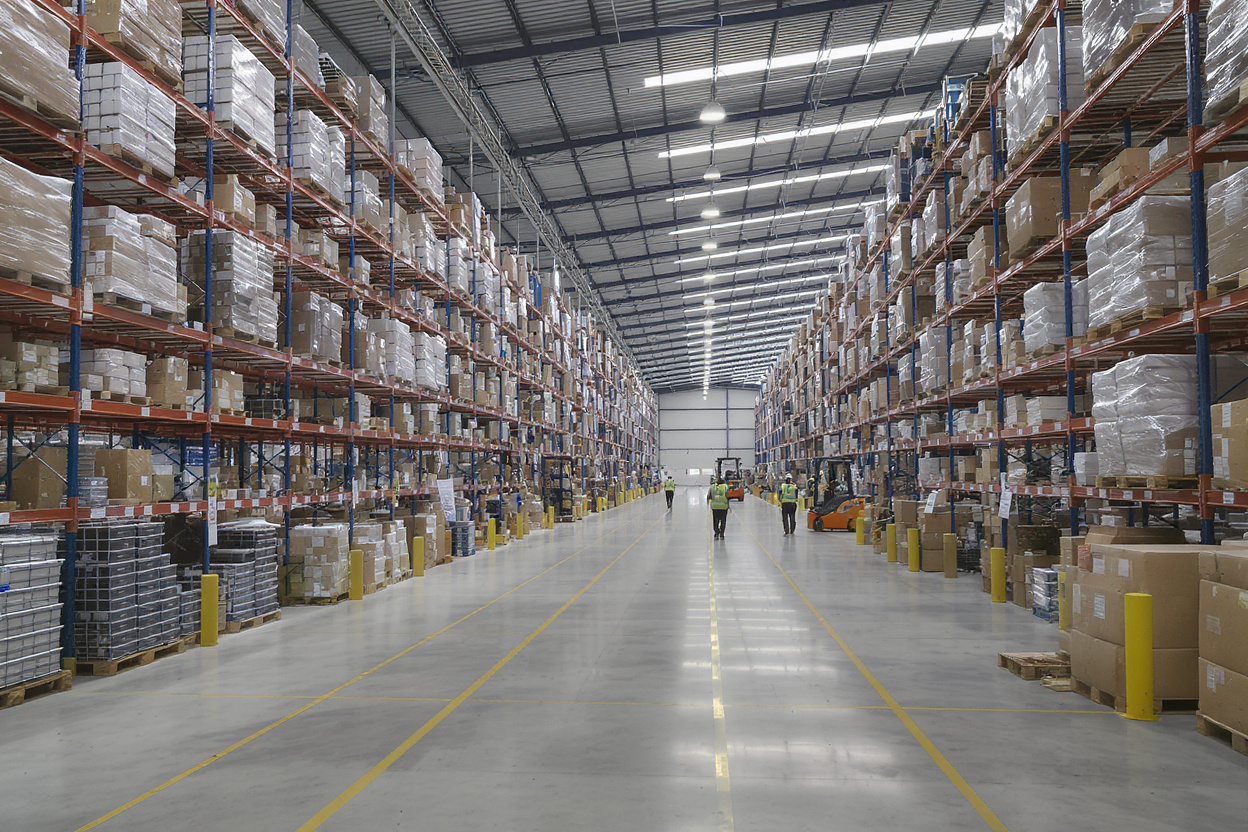
South Africa’s supplier network spans multiple provinces, with concentrations in Gauteng, Western Cape, and KwaZulu-Natal industrial areas:
Gauteng Region:
Western Cape:
KwaZulu-Natal:
Local component manufacturers provide essential manufacturing support services including die-cutting, laminating, and assembly operations. These suppliers typically maintain ISO 9001 certification and offer competitive lead times of 1-3 weeks for standard specifications.
Packaging specialists focus on individual product wrapping, applicators, and retail packaging solutions. Many offer design services and can accommodate custom branding requirements for private label manufacturing.
Ready to connect with verified period materials suppliers? Request quotes and samples from our network of trusted South African and international suppliers. Our procurement specialists will help you find the best sourcing solutions for your specific needs.
Asia-Pacific suppliers dominate global period materials markets, particularly for superabsorbent polymers and non-woven fabrics. China, Japan, and Malaysia provide cost-effective solutions with established export infrastructure. Meanwhile, European suppliers in Germany and Nordic countries offer premium materials with advanced sustainability credentials.
SARS requirements include proper classification under HS codes 3005.90 for sanitary materials and 4818.40 for sanitary paper products. Furthermore, import permits may be required for certain chemical components like superabsorbent polymers.
Documentation must include commercial invoices, packing lists, certificates of origin, and quality certificates. Additionally, some materials require SABS approval before customs clearance, adding 2-3 weeks to the import timeline.
Import duties vary by material type and country of origin, ranging from 0% to 15% for most period product components. Moreover, VAT at 15% applies to all imported materials, affecting total landed costs significantly.
Free trade agreements with SADC countries and the EU provide preferential duty rates for qualifying products. Therefore, sourcing strategies should consider these agreements when evaluating supplier locations.
Comprehensive supplier evaluation must include on-site audits, quality management system reviews, and product testing capabilities. Specifically, suppliers should demonstrate consistent quality control processes, statistical process control implementation, and customer complaint resolution procedures.
Testing capabilities should include absorption testing, tensile strength measurement, and microbial contamination screening. Moreover, suppliers must provide batch traceability and recall procedures for quality issues.
Financial due diligence requires reviewing annual financial statements, credit ratings, and payment terms policies. Additionally, suppliers should demonstrate adequate working capital and business continuity planning for potential disruptions.
Long-term partnership viability depends on suppliers’ investment in technology upgrades and capacity expansion capabilities. Furthermore, understanding ownership structure and succession planning helps assess relationship stability.
Reliable suppliers maintain multiple raw material sources and demonstrate flexibility during supply disruptions. Moreover, they provide transparent communication about potential delays and proactive problem-solving approaches.
Backup supplier strategies should include pre-qualified alternatives who can activate within 30 days of notification. Therefore, maintaining warm relationships with secondary suppliers becomes crucial for risk mitigation.
Period materials pricing reflects global commodity markets, particularly pulp and polymer costs that fluctuate with oil prices and forest product availability. Moreover, currency exchange rates significantly impact imported material costs for South African manufacturers.
Volume commitments typically yield 10-25% discounts compared to spot purchases, whilst annual contracts provide price stability and guaranteed supply allocation. Additionally, consolidating purchases across product lines can increase negotiating leverage with suppliers.
Minimum order quantities for local suppliers range from 1-5 tons for raw materials, whilst international suppliers often require 10+ tons per shipment. Consequently, inventory planning must balance carrying costs against volume discount opportunities.
Container-load quantities provide optimal shipping economics for international sourcing, typically requiring 20-25 tons depending on material density. Furthermore, combining multiple materials in single shipments reduces per-unit transportation costs.
~JDV Construction
Sourcing the right period materials in the Cape Winelands often comes down to relationships. JDV Construction maintains long-standing accounts with specialist yards in Paarl, Franschhoek, and Stellenbosch where reclaimed yellowwood beams, antique Burmese teak floor planks, and salvaged Cape Dutch shutters surface regularly. For lime, we work with quarries in the Riebeek Valley that hand-burn small batches the same way restorers did a century ago. When original materials cannot be saved, our team commissions period-accurate replicas from heritage joiners and stone masons across the Western Cape, so the final result reads as authentic to a SAHRA inspector and to a guest standing in the room.