Reach out to us
Send us an enquiry
Take the first step – Send us an enquiry about your exciting new construction project today!
(021) 863 4891
(072) 520 6903
info@jdv-construction.co.za
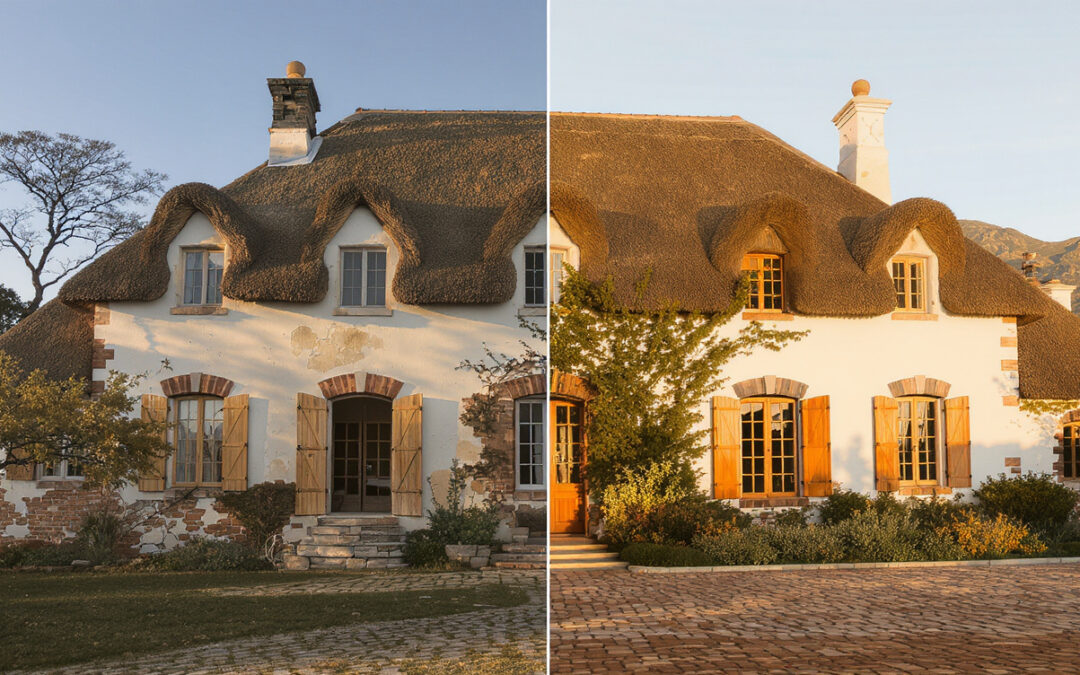
Here’s the stark reality facing Cape Winelands property owners: up to 40% of a heritage building’s historical value can vanish through inappropriate interventions. The choice between heritage restoration and renovation isn’t merely about construction methods, it’s about whether future generations will experience authentic historical spaces or diluted interpretations of our architectural legacy.
Heritage buildings serve as cultural storytellers, embodying centuries of craftsmanship, social history, and regional identity. When these structures lose their authenticity through misguided modernization efforts, we lose irreplaceable connections to our past. The significance of preserving authentic heritage extends far beyond individual properties, contributing to community identity and economic vitality across historic districts.
Property owners across Paarl and the broader Cape Winelands region face an increasingly complex dilemma. Preservation purists insist every original nail must remain untouched, while practical property stewards argue buildings must function for contemporary life. This authenticity-versus-usability tension creates genuine challenges for heritage property owners.
Making the wrong choice carries severe consequences: irreversible historical loss, regulatory non-compliance, and substantial financial penalties. Understanding which method truly preserves authenticity requires examining both approaches through established conservation guidelines and contemporary heritage restoration practices. The decision ultimately determines whether we maintain living links to our architectural heritage or create superficial replicas lacking genuine historical significance.
Heritage restoration represents archaeological surgery for buildings, where historical accuracy takes absolute precedence over contemporary convenience. This meticulous process demands extensive research, specialised craftsmanship, and unwavering commitment to preserving original architectural intent.
Unlike renovation approaches that accommodate modern preferences, heritage restoration prioritises returning buildings to their authentic historical state. Every intervention must be carefully documented, reversible, and clearly distinguishable from original fabric whilst maintaining visual harmony with the structure’s historical character.
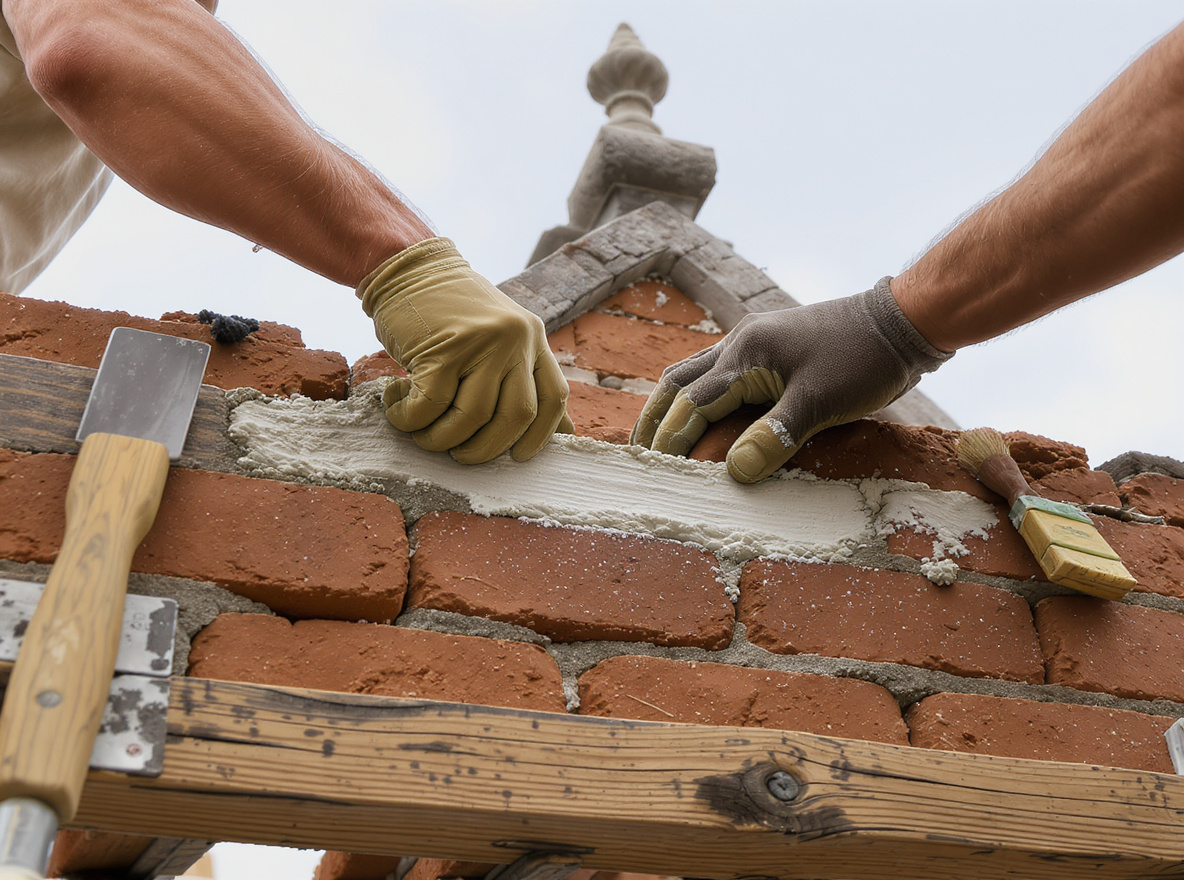
Modern heritage restoration practice balances four fundamental authenticity pillars that guide every preservation decision:
True heritage restoration requires sourcing historically accurate period materials, often involving specialised suppliers and traditional craft techniques. Lime mortars replace modern cement, handmade bricks match original dimensions precisely, and period-specific hardware ensures authentic functionality throughout the restoration process.
This approach demands builders with encyclopaedic knowledge of time-tested construction methods and access to heritage-appropriate materials. The restoration process involves meticulous documentation of existing conditions, careful removal of inappropriate additions, and painstaking reconstruction using original techniques. Every intervention must demonstrate reversibility, allowing future conservators to distinguish restoration work from original fabric whilst maintaining the structure’s visual integrity and historical authenticity.
| Aspect | Heritage Restoration | Heritage Renovation |
|---|---|---|
| Primary Goal | Historical accuracy | Functional adaptation |
| Material Approach | Period-appropriate only | Compatible modern materials accepted |
| Intervention Level | Minimal, reversible changes | Moderate modifications permitted |
| Code Compliance | Historic exemptions sought | Full modern compliance required |
| Cost Factor | Higher initial investment | More flexible budget options |
| Timeline | Extended research phases | Streamlined implementation |
Heritage renovation employs adaptive functionality approaches that respect historical character whilst enabling contemporary use. This methodology recognises that buildings must serve modern occupants effectively whilst maintaining their heritage significance and architectural integrity.
Sensitive adaptation involves carefully planned interventions that enhance building performance without compromising historical authenticity. Modern systems integrate discretely with historical fabric, ensuring contemporary functionality whilst preserving the building’s cultural significance and visual character.
Renovation projects must navigate contemporary building regulations whilst preserving heritage character, requiring innovative solutions for fire safety, accessibility, and energy efficiency that integrate discretely with historical fabric.
Modern HVAC systems, upgraded electrical infrastructure, and safety improvements can be incorporated using reversible installation methods that respect conservation guidelines. The key lies in achieving full code compliance through approaches that honour the building’s historical context and visual character whilst meeting contemporary safety and accessibility standards.
Determining which approach best preserves authenticity requires systematic evaluation using established heritage principles and conservation guidelines. The decision-making process should prioritise cultural significance whilst considering practical constraints and regulatory requirements.
Professional heritage consultants employ structured assessment frameworks that evaluate multiple factors simultaneously, ensuring authenticity preservation remains the primary consideration whilst acknowledging legitimate adaptation needs. This systematic approach moves beyond subjective preferences to objective evaluation criteria.
The authenticity assessment begins with comprehensive cultural significance evaluation covering multiple dimensions:
Every proposed intervention must undergo careful impact analysis to minimise authenticity compromise. The heritage restoration principle of “minimum intervention” guides this evaluation, ensuring necessary changes cause the least possible disruption to historical fabric.
Public participation in decision-making processes helps balance preservation concerns with practical adaptation needs. Professional heritage consultants provide objective assessments that consider both preservation principles and contemporary functionality requirements, ensuring authenticity preservation remains paramount whilst acknowledging legitimate modern needs.
This systematic approach guarantees that authenticity considerations drive decision-making rather than convenience or cost factors alone.
Modern technology revolutionises authenticity preservation through non-invasive assessment and planning tools that enable comprehensive building analysis without physical intervention. Virtual restoration using 3D modelling, laser scanning, and virtual reality creates detailed documentation before any physical work begins.
These technologies allow architects and conservators to test different restoration approaches digitally, identifying potential issues and optimising solutions before committing to physical interventions. The result is more informed decision-making that enhances rather than threatens traditional preservation methods.
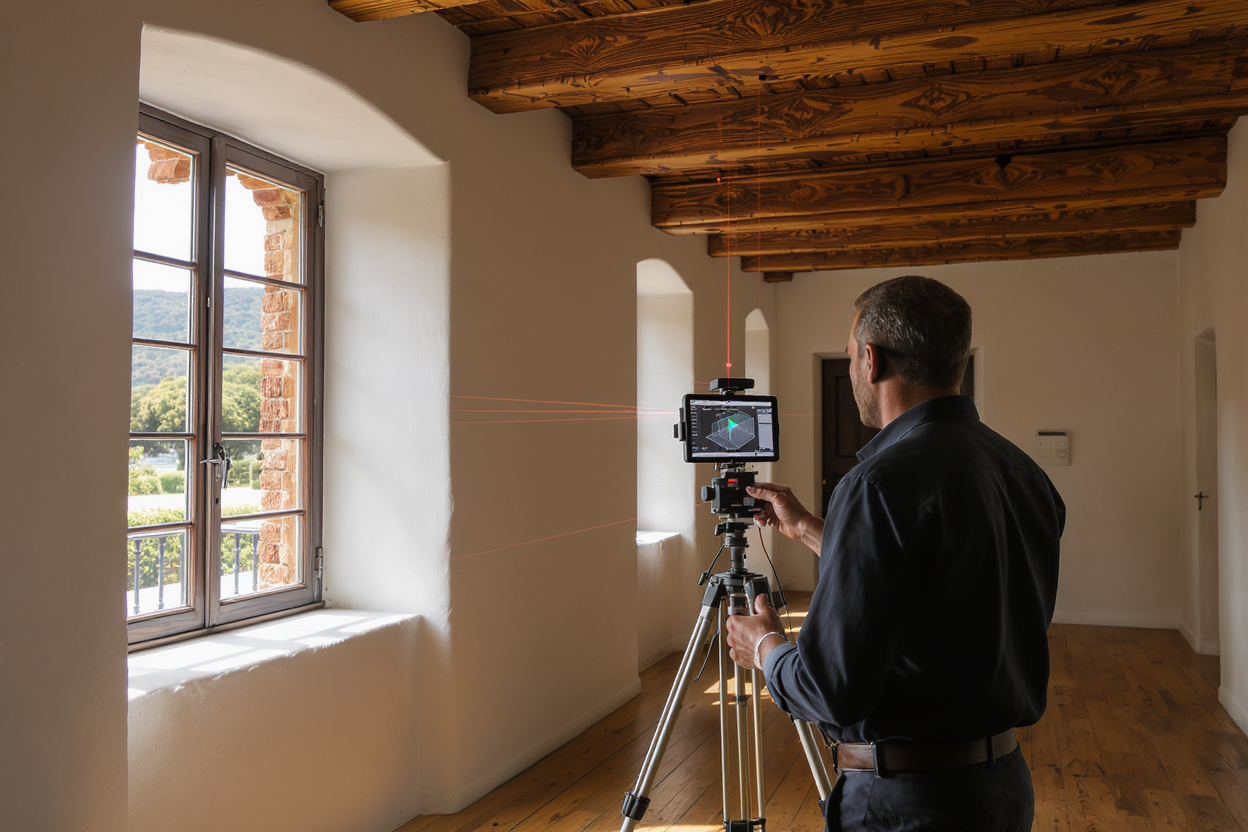
Leading heritage restoration projects follow a systematic five-stage documentation approach that has become the modern standard for authenticity assessment:
Modern assessment technologies allow extensive building evaluation without damaging historic fabric. Ground-penetrating radar reveals hidden structural elements, thermal imaging identifies performance issues, and moisture metres detect problem areas requiring attention.
These tools enable informed decision-making based on comprehensive building understanding rather than invasive investigation methods that could compromise historical integrity. The technology supports traditional conservation approaches rather than replacing established heritage restoration practices.
Research demonstrates that heritage restoration increases embodied energy by 56.6% compared to new construction, representing a significant upfront investment in authenticity preservation. This statistic reflects the intensive craftsmanship, specialised period materials, and detailed processes required for authentic restoration work.
The increased energy investment stems from sourcing traditional materials, employing specialised craftspeople, and implementing meticulous documentation requirements. However, this investment preserves irreplaceable cultural assets that cannot be recreated once lost through inappropriate interventions.
Despite higher initial costs, authentic heritage restoration generates substantial long-term economic benefits extending far beyond individual properties. Restored heritage buildings contribute to economic revitalisation in historic districts, increase property values significantly, and create tourism opportunities that benefit entire communities across the Cape Winelands region.
The investment in authenticity preservation often yields returns through enhanced marketability, reduced long-term maintenance requirements, and potential heritage grants or tax incentives. Properties that undergo authentic heritage restoration typically command premium prices whilst contributing to broader economic revitalisation efforts that benefit neighbouring properties and local businesses.
Heritage restoration costs must be evaluated against the irreplaceable value of historical authenticity. While renovation might appear more cost-effective initially, authentic restoration preserves cultural assets that cannot be recreated once lost through inappropriate interventions.
Professional heritage restoration specialists can provide detailed cost analyses that consider both immediate expenses and long-term value preservation. The investment represents not just property improvement but cultural stewardship that benefits future generations whilst potentially qualifying for various heritage preservation incentives and grants available to qualifying projects.
South African Heritage Resources Agency regulations significantly influence restoration versus renovation decisions across the Cape Winelands region. Heritage Impact Assessments are required for all significant alterations to buildings older than 60 years, creating regulatory frameworks that often favour authentic restoration approaches over extensive renovations.
SAHRA mandates involvement of qualified heritage practitioners for major projects, ensuring professional consultation guides decision-making processes. These requirements integrate conservation guidelines throughout project planning rather than treating heritage compliance as an afterthought to construction decisions.
Comprehensive documentation standards apply before, during, and after interventions, creating permanent records of heritage preservation work. Permit compliance requires specific approvals for structural changes, additions, or demolitions that could impact historical significance.
Western Cape provincial heritage regulations add additional protection layers for significant buildings throughout the region. Local municipalities in Paarl and surrounding areas may impose further restrictions based on heritage area designations and local conservation priorities.
These regulations ensure that conservation guidelines are properly implemented throughout the restoration process, maintaining consistency with national preservation standards whilst addressing regional architectural characteristics and cultural significance specific to Cape Winelands heritage buildings.
South African National Standards provide technical guidance for heritage restoration projects, ensuring work quality meets professional benchmarks established for historical building preservation. These standards address material specifications, construction techniques, and performance requirements specific to heritage contexts.
The standards integrate modern building performance requirements with conservation guidelines, allowing projects to achieve contemporary functionality whilst maintaining historical authenticity and cultural significance throughout the preservation process.
Sustainable heritage approaches integrate environmental performance improvements with authenticity preservation principles, demonstrating that conservation and sustainability can work harmoniously. Modern energy efficiency technologies can be incorporated discretely, ensuring historical character remains uncompromised whilst achieving contemporary environmental performance standards.
Solar panels positioned on non-visible roof areas, improved insulation using breathable materials, and efficient heating systems installed sensitively enhance building performance without compromising visual authenticity or historical significance of heritage structures.
Heritage buildings can achieve significant energy improvements through careful interventions that respect historical fabric and cultural significance. Upgraded windows with period-appropriate profiles maintain visual authenticity whilst improving thermal performance and occupant comfort.
Modern HVAC systems can utilise existing service routes to minimise visual impact whilst providing contemporary climate control. These approaches demonstrate that energy efficiency and authenticity preservation can coexist when planned and implemented by specialists familiar with both conservation guidelines and sustainable building practices.
Contemporary heritage restoration increasingly emphasises sustainable material choices that align with authenticity requirements and conservation guidelines. Traditional lime mortars, locally sourced stone, and reclaimed timber not only maintain historical character but also reduce environmental impact compared to modern synthetic alternatives.
These material choices support long-term preservation goals whilst minimising the carbon footprint of restoration work. The approach recognises that authentic period materials often possess superior longevity and environmental performance compared to modern substitutes when properly specified and installed.
The decision between heritage restoration and renovation ultimately depends on balancing the four authenticity pillars framework with practical requirements and regulatory constraints. Material Integrity, Architectural Form Preservation, Cultural Significance Maintenance, and Public Participation provide systematic evaluation criteria for determining which approach best serves your heritage property’s unique circumstances.
Modern technology enhances traditional preservation methods through the five-stage documentation process, enabling informed decision-making whilst reducing intervention risks. The 56.6% increase in embodied energy required for authentic heritage restoration represents an investment in irreplaceable cultural assets that generate long-term economic revitalisation benefits extending throughout historic districts.
Authentic heritage preservation requires professional consultation to properly evaluate cultural significance, navigate regulatory requirements, and balance authenticity preservation with contemporary functionality. The choice you make determines whether future generations will experience genuine historical spaces or diminished interpretations of our architectural legacy. Consult with heritage restoration specialists for professional assessment of your property’s unique preservation needs and regulatory requirements.