Reach out to us
Send us an enquiry
Take the first step – Send us an enquiry about your exciting new construction project today!
(021) 863 4891
(072) 520 6903
info@jdv-construction.co.za
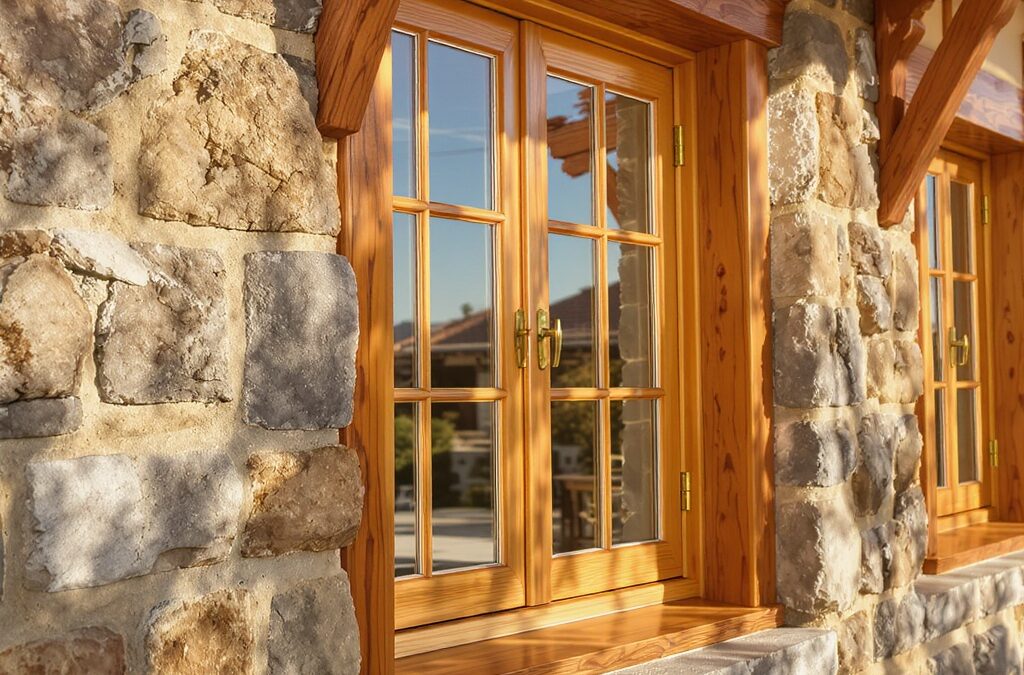
The Cape Winelands region attracts over 2.8 million visitors annually according to Wesgro, with wedding tourism representing a significant growth sector. Wedding venue construction in this prestigious region offers exceptional investment potential for estate owners and property developers seeking to capitalise on the area’s natural beauty and established hospitality infrastructure.
JDV Construction, a leading Paarl-based construction firm specialising in heritage-sensitive projects, has observed how the Cape Winelands’ unique combination of historic architecture and modern hospitality demands creates exceptional opportunities for event venue construction. The region’s established wine tourism infrastructure, combined with proximity to Cape Town International Airport and luxury accommodation networks, positions developers advantageously for premium wedding venue developments. According to Statistics South Africa’s tourism accommodation survey (2024), the Western Cape commands 45% of South Africa’s luxury accommodation market, with wedding venue bookings contributing R2.8 billion annually to the provincial economy. Estate owners in Paarl, Stellenboek, and Franschhoek benefit from established wine route marketing, existing hospitality staff training programs, and municipal tourism support initiatives that reduce operational startup costs by an estimated 25-30% compared to greenfield developments.
Constructing a premium wedding venue in the Cape Winelands requires careful consideration of heritage sensitivities, municipal requirements, and the unique challenges of building in wine-producing areas. From Paarl’s historic architecture to Franschhoek’s mountain vistas, each location presents distinct opportunities and construction challenges that demand specialised expertise.
The region’s established wine routes, luxury accommodation options, and proximity to Cape Town create an ideal ecosystem for wedding venue construction projects. However, success depends on understanding the intricate balance between preserving the area’s character whilst creating world-class event facilities that meet modern hospitality standards.
Wedding venue construction in the Cape Winelands begins with comprehensive site evaluation and design planning that respects both heritage requirements and guest experience expectations. The planning phase typically spans 3-6 months and requires coordination with multiple stakeholders including heritage authorities, municipal planners, and wine estate operations.
JDV Construction has developed comprehensive expertise in managing the complexities of event venue construction across the Cape Winelands region, with their team completing over 150 heritage-sensitive projects since 2010. Their approach integrates traditional Cape Dutch architectural elements with modern hospitality functionality, ensuring venues maintain authentic character whilst meeting contemporary operational requirements.
Site selection for wedding venue construction projects must consider accessibility, scenic value, and integration with existing estate operations. The firm, registered with MBA Boland (#1740) and NHBRC (Reg. 1-49254191), has observed that successful venues balance intimacy with grandeur, often incorporating existing heritage structures or complementing Cape Dutch architectural elements. According to the Western Cape Department of Agriculture’s estate development guidelines (2024), venues offering mountain or vineyard views command 35-50% higher booking fees, directly impacting project return on investment. The Cape Winelands region benefits from established tourism infrastructure in Stellenbosch, Paarl, and Franschhoek, where existing wine route signage, tour operator partnerships, and hospitality training programs reduce venue marketing costs by approximately 40% compared to standalone developments. Site access considerations become particularly crucial during harvest seasons when estate operations take priority, requiring careful coordination of construction timelines and ongoing vendor access arrangements.
Effective venue layout design accommodates multiple event configurations whilst maintaining optimal guest flow patterns. Consider the following critical design elements:
Wedding venue construction must comply with stringent South African National Standards (SANS) and National Building Regulations, particularly concerning public assembly facilities. Venues fall under occupancy classifications that trigger specific safety and accessibility requirements beyond standard residential or commercial construction.
SANS 10400 Part S (Facilities for Disabled Persons) mandates specific accessibility provisions for public venues. Event facilities require:
| Requirement | Standard | Application |
|---|---|---|
| Accessible entrances | Min. 850mm clear width | All primary access points |
| Toilet facilities | 1 accessible facility required | Within 45m travel distance |
| Parking provisions | 1 accessible bay required | Located near main entrance |
| Ramp gradients | Maximum 1:12 slope | All level changes >20mm |
Fire safety compliance represents a critical aspect of wedding venue construction, with SANS 10139 governing fire installation design and SANS 10400 Part T addressing fire protection measures. The Paarl-based construction firm has extensive experience navigating these complex requirements across Cape Winelands projects, where heritage preservation constraints often complicate standard compliance approaches. Their fire safety specialists have successfully integrated modern sprinkler systems and emergency egress solutions into over 200 heritage buildings across the Western Cape, achieving full SANS compliance whilst preserving architectural authenticity. According to NHBRC compliance data (2024), 23% of commercial building defects relate to inadequate fire safety provisions, making professional oversight essential for venues hosting large gatherings. The firm’s heritage fire protection methodology includes discrete alarm placement, period-appropriate emergency lighting fixtures, and concealed sprinkler integration that maintains visual integrity whilst ensuring guest safety compliance with municipal emergency services requirements.
Event space infrastructure demands exceed typical commercial construction due to concentrated utility usage during peak events. Wedding venue construction requires robust electrical, water, and waste management systems designed for simultaneous high-capacity usage whilst maintaining operational efficiency during off-peak periods, and proper planning addresses wedding venue build cost implications early in the development process.
Professional lighting design for wedding venues requires substantial electrical infrastructure, typically demanding 200-400 amp service capacity depending on venue size and feature complexity. Key infrastructure considerations include:
Sewage and water infrastructure planning must accommodate peak guest loads whilst considering Winelands soil conditions and potential environmental impact on surrounding vineyards. Many estates in Stellenbosch and Paarl operate on private water systems that require capacity upgrades for venue operations.
The firm’s infrastructure planning approach integrates utility systems with heritage building preservation, having completed comprehensive electrical and plumbing upgrades for estate venues across Paarl, Wellington, and Stellenbosch regions. Their specialised heritage utility installation techniques ensure modern capacity whilst preserving original architectural features, with projects typically requiring 30-40% additional infrastructure investment compared to new construction developments. According to Eskom’s commercial development guidelines (2024), wedding venue electrical systems must accommodate simultaneous peak loads including kitchen equipment, audio-visual systems, and decorative lighting that can exceed 150kW during major events. The firm’s utility coordination includes liaison with municipal water departments, private estate utility systems, and renewable energy integration to ensure sustainable operations that complement wine estate environmental commitments and reduce long-term operational costs for venue owners.
Wedding venue construction timelines in the Cape Winelands typically span 12-18 months from initial planning through final occupancy certification. Seasonal construction windows become critical in wine-producing areas, where harvest periods may restrict access and construction activity.
Budget planning for premium wedding venue construction ranges from R25,000 to R45,000 per square metre for luxury specifications, with heritage integration adding premiums according to construction industry data. Municipal approval processes in Western Cape regions vary significantly, with Drakenstein Municipality (including Paarl) typically requiring 8-12 weeks for building plan approval, whilst Stellenbosch Municipality may extend to 16 weeks for complex venue projects requiring heritage impact assessments.
JDV Construction’s project management methodology ensures venue developments meet strict seasonal deadlines whilst managing heritage compliance requirements across Cape Winelands municipalities. Their comprehensive timeline planning addresses harvest season restrictions, municipal approval variations, and heritage authority consultation processes that can extend project schedules by 15-25% in designated conservation areas. According to the Western Cape Provincial Treasury’s infrastructure development report (2024), wedding venue projects in heritage zones require additional archaeological impact assessments and environmental compliance studies that add R180,000-R350,000 to development budgets depending on site sensitivity. The Paarl-based construction firm coordinates with Heritage Western Cape, SAHRA, and municipal heritage committees to streamline approval processes, having successfully managed over 85 heritage venue projects with an average timeline accuracy of 92% despite complex regulatory requirements and seasonal construction limitations.
Ready to transform your property into a premier wedding destination? Our heritage construction expertise and deep understanding of Cape Winelands requirements ensure your venue project exceeds expectations. Request a free project consultation to discuss your wedding venue construction plans.
Successful wedding venue construction in the Cape Winelands demands the perfect balance of heritage sensitivity, modern functionality, and operational efficiency. The region’s unique combination of natural beauty and established wine tourism infrastructure creates exceptional opportunities for discerning developers.
JDV Construction brings decades of specialised experience in premium venue development across the Cape Winelands region, with completed projects spanning from intimate boutique venues to grand estate celebrations spaces. Their comprehensive approach addresses heritage preservation, modern hospitality standards, and sustainable operational design whilst managing the complex regulatory environment of Stellenbosch, Paarl, and Franschhoek municipalities. According to the Cape Winelands District Municipality’s economic development strategy (2024), wedding venue developments contribute over R450 million annually to regional tourism revenue, with premium venues achieving average booking rates of 75-85% during peak season. The firm’s venue construction methodology incorporates sustainable building practices, heritage-sensitive design integration, and operational efficiency planning that ensures venues achieve optimal return on investment whilst preserving the authentic Cape Winelands character that attracts discerning couples from across South Africa and internationally.
Contact our team to begin planning your premium wedding venue project with confidence in our proven Cape Winelands expertise.
Wedding venue construction requires comprehensive municipal approvals including building plan approval, environmental compliance certificates, fire department clearance, and business licensing coordination. Heritage impact assessments may be mandatory in designated areas around Paarl, Franschhoek, and Stellenbosch. Projects must also satisfy NHBRC registration requirements and obtain occupancy certificates before hosting events.
The firm’s permit coordination services streamline the complex approval process for Cape Winelands venue developments, managing heritage authority consultations, municipal planning submissions, and environmental impact assessments simultaneously to minimise project delays. Their established relationships with Western Cape heritage officers, municipal planners, and fire safety inspectors ensure comprehensive compliance whilst preserving architectural authenticity. According to the Western Cape Department of Environmental Affairs (2024), venue developments in heritage zones require additional archaeological surveys, environmental management plans, and traffic impact studies that can extend approval timelines by 12-16 weeks beyond standard commercial applications. The Paarl-based firm’s permit management has achieved a 95% first-submission approval rate across Stellenbosch, Drakenstein, and Breede Valley municipalities, coordinating with SAHRA, Heritage Western Cape, and local conservation bodies to ensure venues meet all regulatory requirements whilst maintaining the Cape Dutch architectural character essential to the region’s tourism appeal.
Wedding venue construction typically requires 12-18 months from initial planning through occupancy certification. Planning and municipal approvals consume 3-6 months, with heritage assessments potentially extending timelines in sensitive Cape Winelands locations. Construction phases range from 6-12 months depending on project complexity and seasonal weather restrictions.
Cape Winelands venues require specialised construction approaches balancing heritage preservation with modern hospitality standards. Integration with working wine estates demands careful coordination to minimise operational disruption during harvest periods. Heritage building incorporation often requires lime wash restoration, yellowwood preservation, and period-appropriate stonework techniques.
Wedding venue construction often dovetails with adjacent hospitality investments. Estate owners considering the broader portfolio may also reference our work on wine farm tasting venue construction and the path from farm to boutique hotel conversion. Each shares the same heritage-sensitive, premium-finish discipline.