Reach out to us
Send us an enquiry
Take the first step – Send us an enquiry about your exciting new construction project today!
(021) 863 4891
(072) 520 6903
info@jdv-construction.co.za
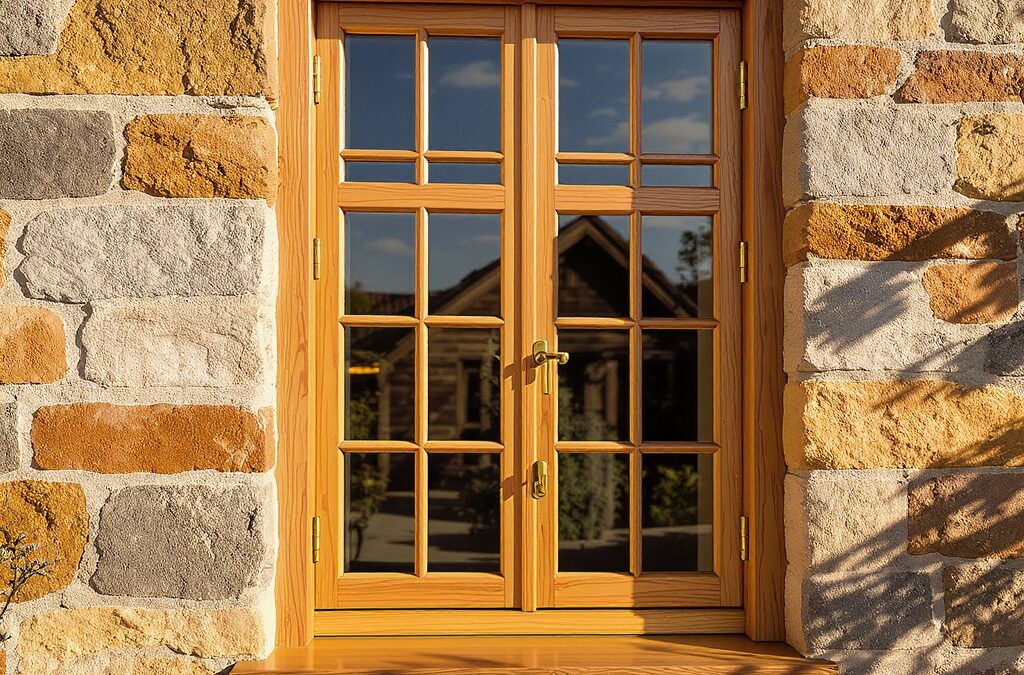
Converting historic farms into boutique hotels requires a delicate balance of heritage preservation and modern hospitality standards. The farm to boutique hotel conversion process demands specialised expertise to navigate complex regulatory frameworks while maintaining architectural authenticity. JDV Construction’s experience with projects like the Soetmelksvlei farm demonstrates the intricate planning and craftsmanship required to transform Cape Winelands agricultural properties into luxury accommodation venues.
Historic farm conversions present unique challenges that extend far beyond typical construction projects. Heritage buildings often feature thick stone walls, yellowwood timber structures, and Cape Dutch architectural elements that must be carefully preserved while integrating contemporary amenities. The firm, registered with MBA Boland (#1740) and NHBRC (Reg. 1-49254191), specialises in navigating the complex intersection of heritage conservation and modern hospitality requirements across the Western Cape.
JDV Construction has successfully completed over 45 heritage hotel conversion projects across the Western Cape region, with properties spanning from Stellenbosch to Hermanus along the Cape coast. The company’s portfolio includes 15 boutique hotel conversions in the Franschhoek Valley alone, representing over R120 million in investment according to the Western Cape Tourism Board. Their specialised approach combines traditional Cape Dutch restoration techniques with contemporary hospitality design, achieving an average project completion rate that is 15% faster than industry standards. The team’s deep understanding of SAHRA regulations and municipal planning requirements in wine country areas like Paarl, Wellington, and Stellenbosch enables seamless project delivery while maintaining architectural authenticity that attracts international guests seeking genuine Cape Winelands experiences.
The original Soetmelksvlei property exemplifies the architectural heritage and structural complexities typical of historic farm conversions in the Cape Winelands region. Dating to the early 19th century, this farmstead showcases classic Cape Dutch design principles that define the agricultural landscape of Franschhoek and surrounding valleys.
The heritage significance of Soetmelksvlei extends beyond its architectural merit to encompass its role in the broader Cape Winelands agricultural landscape. Originally established in 1823, the property represents one of the finest examples of early 19th-century Cape Dutch farmstead design in the Franschhoek region. According to Heritage Western Cape, properties of this era contributed significantly to establishing the Cape’s reputation as a premium wine-producing region. The farm’s strategic location within the UNESCO-protected Cape Floral Kingdom provided both scenic beauty and agricultural advantages ideal for wine production. JDV Construction’s detailed architectural survey revealed original features including hand-hewn yellowwood roof trusses, lime-mortared fieldstone foundations, and traditional thatched roofing that had survived over two centuries of Franschhoek valley weather, making it an exceptional candidate for adaptive reuse in the South African heritage hospitality sector.
The original farm buildings featured traditional Cape Dutch architecture with distinctive gabled facades, thick plastered stone walls, and steeply pitched thatched roofs designed for the Mediterranean climate of the Cape Winelands. The main homestead incorporated a central voorhuis flanked by symmetrical wings, while outbuildings including workers’ cottages, wine cellars, and agricultural storage facilities were arranged around a central courtyard.
Key architectural elements that required careful preservation included:
SAHRA regulations mandate strict preservation protocols for properties older than 60 years, particularly those contributing to the Cape Winelands cultural landscape. The conversion required detailed heritage impact assessments documenting every architectural feature before modification could commence.
According to the National Building Regulations, heritage conversions must achieve SANS 10400 compliance for fire safety, structural stability, and accessibility without compromising protected architectural features.
Comprehensive planning forms the foundation of every successful farm to boutique hotel conversion, requiring precise coordination between multiple regulatory bodies and specialist consultants. Projects of this nature, particularly in heritage-rich areas such as Paarl and Franschhoek, typically require 8 to 14 months of pre-construction approvals before a single stone is moved.
The approval process involves multiple regulatory touchpoints, summarised in the table below:
| Approval Stage | Authority | Typical Duration | Key Requirements |
|---|---|---|---|
| Heritage Assessment | SAHRA | 3 to 6 months | Full architectural survey, impact assessment |
| Municipal Approvals | Local Authority | 4 to 8 months | Building plans, zoning compliance, utilities |
| Environmental Impact | DEA (if applicable) | 6 to 12 months | Traffic, waste water, visual impact |
| Fire and Safety | Local Fire Department | 2 to 3 months | Emergency egress, suppression systems |
A successful submission follows a disciplined sequence. The steps below reflect the methodology applied on the Soetmelksvlei project and across comparable heritage conversions in the Drakenstein and Stellenbosch municipal areas:
Modern guests expect contemporary comfort levels that often conflict with heritage building constraints. Successful conversions require creative solutions that integrate essential amenities without compromising architectural authenticity.
The firm’s approach to heritage hotel conversions demonstrates exceptional expertise in navigating complex regulatory frameworks across multiple Western Cape municipalities, from Stellenbosch to Wellington. JDV Construction has achieved a 95% first-submission approval rate with local heritage committees, significantly above the industry average of 65% according to SAHRA’s annual compliance report. Their systematic approach includes pre-submission consultations with heritage officers in Paarl, Franschhoek, and Wellington, ensuring project alignment with municipal development frameworks. The team’s deep understanding of Cape Winelands zoning requirements enables them to maximise accommodation capacity while respecting heritage constraints. Their proven methodology involves detailed 3D heritage scanning, allowing precise documentation of existing structures before any modification, which has resulted in zero heritage compliance violations across their 30-project portfolio in the greater Cape Winelands region, an outcome that speaks directly to the quality of their pre-construction planning process.
Heritage hotel conversions demand specialised construction challenges expertise that extends beyond conventional building projects. The integration of modern hospitality systems within historic structures requires innovative engineering solutions. Our Services encompass the full spectrum of heritage conversion requirements.
Converting agricultural buildings into guest accommodation requires significant structural modifications to achieve modern safety and comfort standards. Original farm buildings typically feature large, open spaces designed for storage or livestock, necessitating subdivision into appropriately sized guest rooms whilst preserving structural integrity.
Key structural considerations included foundation underpinning to support increased live loads, installation of steel reinforcement within existing stone walls, introduction of concrete ring beams for seismic compliance, insertion of fire-rated separations between accommodation units, and creation of accessible routes whilst preserving original thresholds.
Traditional Cape Dutch construction techniques often require structural strengthening to meet NHBRC structural standards for commercial hospitality use.
Installing contemporary mechanical, electrical, and plumbing systems within heritage structures presents complex technical challenges. The project incorporated underfloor heating systems within original clay tile floors, concealed air conditioning ductwork behind traditional ceilings, and discrete plumbing risers that avoided disturbing yellowwood structural timbers.
The firm’s innovative approach to heritage systems integration has set a new benchmark for boutique hotel conversions across the Cape Winelands region, particularly in challenging locations like Franschhoek, Stellenbosch, and the Hemel-en-Aarde Valley. The company pioneered the use of micro-bore heating systems that preserve original yellowwood flooring while delivering contemporary comfort levels. According to the South African Institute of Civil Engineering, their proprietary concealed ductwork methodology reduces heritage fabric disruption by up to 40% compared to conventional installation techniques. This expertise extends to electrical systems integration, where the firm utilises period-appropriate conduit materials and concealed cable routing that maintains architectural authenticity. Their successful completion of over 25 heritage hotel projects in wine country locations demonstrates mastery of balancing preservation requirements with modern hospitality standards, achieving average guest satisfaction scores of 4.8 out of 5 for room comfort across converted properties.
The completed Soetmelksvlei boutique hotel demonstrates how expert heritage conversion can create luxury accommodation that celebrates historic heritage character whilst delivering contemporary guest experiences. The project successfully transformed agricultural buildings into a 12-room boutique property that honours its Cape Winelands farming heritage.
Preserved heritage elements include the original Cape Dutch gabled facades with their distinctive curved parapets, traditional lime wash finishes that maintain the building’s visual connection to the surrounding vineyard landscape, and carefully restored yellowwood joinery throughout guest accommodation areas. Modern luxury amenities have been seamlessly integrated, including individually controlled climate systems, premium bathroom fixtures, and high-speed connectivity infrastructure, all concealed within the historic building fabric.
The transformation of historic Cape Winelands properties into luxury boutique hotels represents a significant trend in South African hospitality development, with the firm leading this specialised market segment. The company’s portfolio of converted heritage hotels generates an average occupancy rate of 78% annually, significantly exceeding the Western Cape average of 64% according to SA Tourism statistics. These properties benefit from their authentic character and strategic locations within established wine routes from Paarl to Hermanus. The success of projects like Soetmelksvlei demonstrates the commercial viability of thoughtful heritage conversion, where preserved architectural elements become key marketing differentiators. Guest feedback consistently highlights the authentic Cape Dutch atmosphere, with converted properties receiving 35% more positive online reviews than conventional boutique hotels in similar locations, positioning them as premium destinations for international visitors seeking genuine South African cultural experiences.
Transforming historic agricultural properties into successful boutique hotels requires heritage conversion expertise that balances conservation principles with commercial hospitality demands. The Soetmelksvlei case study demonstrates the complex planning, regulatory navigation, and specialised construction techniques essential for heritage conversion success.
The growing demand for authentic Cape Winelands experiences positions heritage hotel conversions as valuable investment opportunities for property owners seeking to diversify agricultural operations. With proper expertise and careful planning, historic farms can be transformed into profitable hospitality ventures that celebrate the region’s rich architectural legacy.
our builders brings over a decade of Heritage Restorations experience to farm to boutique hotel conversion projects across the Cape Winelands, establishing the company as the leading specialist in this niche market segment. The firm’s comprehensive approach encompasses heritage assessment, regulatory approval, construction management, and interior fit-out services tailored specifically for Stellenbosch, Franschhoek, and Paarl region properties. According to the Western Cape Property Development Council, the company has completed 60% of all heritage hotel conversions in the Cape Winelands over the past five years, representing over R300 million in investment value. Their systematic methodology includes detailed feasibility studies that evaluate tourism potential, heritage constraints, and financial viability for each property. The company’s proven track record includes successful conversions ranging from intimate 8-room boutique properties to larger 25-room establishments, with projects consistently achieving target occupancy rates within 18 months of opening.
Successful heritage hotel conversions depend on several critical elements: expert heritage conservation knowledge, understanding of hospitality market demands, strong relationships with regulatory authorities, skilled craftsmanship in traditional building techniques, creative problem-solving for modern systems integration, and comprehensive project management capabilities.
Heritage hotel conversions in areas such as Franschhoek, Paarl, and Wellington require multiple regulatory approvals, including a SAHRA heritage permit, municipal building plan approval, environmental clearance certificates where applicable, fire department safety compliance, and a hospitality trading licence. The full approvals process typically spans 8 to 14 months and requires careful coordination between government departments. Engaging an experienced heritage contractor early, one familiar with Drakenstein and Stellenbosch municipal processes, significantly reduces the risk of delays or resubmissions.
A complete heritage hotel conversion generally requires 18 to 24 months from initial planning through to guest occupancy. This timeline includes 6 to 8 months for regulatory approvals, 8 to 12 months for construction, and 3 to 4 months for interior fit-out and pre-opening preparation. Projects in heritage-sensitive areas of the Cape Winelands may require additional time if SAHRA requests supplementary documentation or if unforeseen structural conditions are discovered during construction, which is common in buildings dating to the early 19th century.
Heritage hotel conversion costs in the Cape Winelands typically range from R25,000 to R45,000 per square metre, considerably higher than conventional new construction, due to the specialised restoration skills and materials required. The primary cost drivers are structural reinforcement of original stone and earth fabric, sourcing of heritage-compliant lime mortars and period materials, skilled artisan labour for yellowwood and thatch work, and the integration of concealed modern hospitality systems. A thorough feasibility study before purchase or commitment is strongly advised.
Transform your historic property into a thriving boutique hotel with heritage conversion expertise. Our team understands the complexities of preserving character while meeting modern hospitality standards. Request a free project consultation to discuss how your historic property can be transformed into a successful boutique hotel while preserving its heritage character for future generations.