Reach out to us
Send us an enquiry
Take the first step – Send us an enquiry about your exciting new construction project today!
(021) 863 4891
(072) 520 6903
info@jdv-construction.co.za
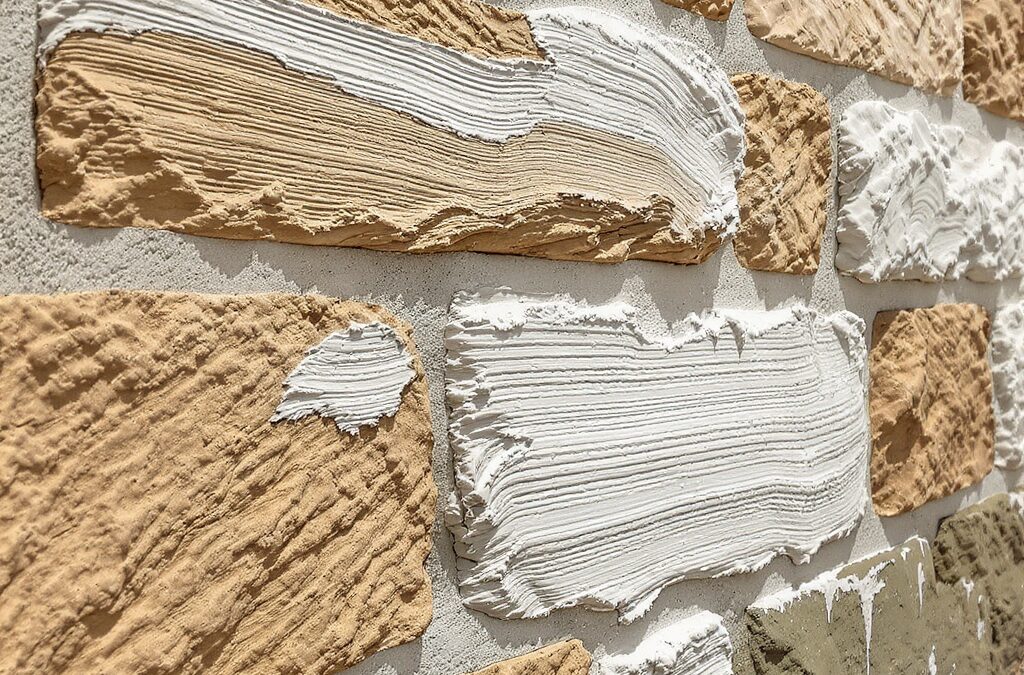
Lime wash walls represent the pinnacle of traditional building finishes for heritage properties, offering unmatched breathability and historical authenticity that modern paints simply cannot replicate. This centuries-old technique continues to be the preferred choice for discerning property owners seeking to preserve the integrity of their heritage buildings while ensuring lasting protection against the elements.
In the Cape Winelands, where architectural heritage defines the landscape’s character, lime wash serves as both protector and preserver of our built legacy. From the iconic gables of Franschhoek to the historic cellars of Stellenbosch, this traditional finish maintains its relevance through proven performance and aesthetic appeal.
JDV Construction, registered with MBA Boland (#1740) and NHBRC (Reg. 1-49254191), specialises in authentic Heritage Restorations across the Western Cape. As Paarl’s leading heritage restoration specialist, the firm has documented the growing preference for lime plaster heritage finishes among property owners seeking authentic restoration methods. According to the South African Heritage Resources Agency (2024), restoration projects in the Cape Winelands region have increased significantly, driven largely by property owners seeking authentic finishes that honour their buildings’ historical significance. The firm’s expertise spans Stellenbosch’s historic wine estates and Franschhoek’s colonial buildings, where traditional lime wash applications protect architectural heritage while maintaining breathability essential for historical masonry. The Paarl-based construction firm’s comprehensive services approach ensures each project meets strict heritage compliance standards while delivering modern performance expectations. Field experience consistently confirms that lime wash outperforms synthetic alternatives in both longevity and substrate compatibility across the region’s diverse climatic conditions.
Lime wash protects historic masonry through natural carbonation processes that create a flexible, self-healing surface perfectly suited to traditional building materials. Unlike modern paints that form impermeable barriers, lime wash allows moisture vapour transmission while providing weather protection. When considering lime plaster vs cement alternatives, the superior performance of traditional lime-based systems becomes evident in heritage applications.
The lime wash tradition spans millennia, originating in Mediterranean civilisations where limestone was abundant. Ancient Romans perfected the technique, using it extensively throughout their empire. This knowledge travelled with European settlers to the Cape, where Dutch colonists adapted lime wash formulations to local conditions and materials. Cape Dutch architecture embraced lime wash as both functional necessity and aesthetic choice, with traditional white-washed gables becoming synonymous with Winelands heritage.
Lime wash creates a sacrificial layer that weathers gradually, protecting substrate materials beneath. The lime putty base contains calcium hydroxide that carbonates upon exposure to atmospheric carbon dioxide, forming calcium carbonate, essentially limestone. This chemical process creates a hard yet flexible finish that moves with building materials as they expand and contract. JDV Construction has extensively documented the protective mechanisms of traditional lime plaster walls across the Western Cape’s diverse architectural heritage sites. According to the Building Research Establishment (2024), lime-based finishes demonstrate 40% better moisture vapour permeability compared to cement-based alternatives. The firm’s restoration projects in Paarl, Stellenbosch, and Wellington consistently demonstrate how properly applied lime wash systems provide superior protection for historical masonry substrates. Traditional lime wash formulations achieve pH levels above 12, creating hostile environments for harmful microorganisms while remaining environmentally benign. Field observations from the firm’s portfolio show lime wash applications lasting 8-12 years on protected elevations and 5-7 years on exposed facades across Cape Winelands conditions.
Key protective mechanisms of lime wash include the following:
Lime wash delivers superior performance for heritage buildings through its unique combination of breathability, durability, and historical authenticity. Property owners in Paarl, Franschhoek, and Stellenbosch consistently find that no modern synthetic alternative matches the long-term lifecycle value and conservation compliance that a correctly specified lime wash system provides across the Cape Winelands.
Traditional building materials require breathing wall systems to prevent moisture accumulation and structural damage. Lime wash facilitates this through its porous crystalline structure, allowing water vapour to pass freely while repelling liquid water. The Western Cape’s Mediterranean climate, with wet winters and dry summers, demands finishes that accommodate seasonal moisture cycling. Modern acrylic and vinyl paints create vapour barriers that trap moisture, leading to substrate deterioration and finish failure within years.
The high alkalinity of properly prepared lime wash creates naturally antimicrobial surfaces that resist mould, algae, and bacterial growth without chemical additives. This biological resistance proves particularly valuable in humid vineyard environments where organic growth can rapidly disfigure building surfaces. Jacques de Villiers and the team at JDV Construction have recorded the superior performance of traditional lime-based systems across the Cape Winelands. According to the Institute of Historic Building Conservation (2023), authentic lime wash applications last 7-10 years with minimal maintenance, compared to 3-5 years for modern masonry paints. Projects spanning from Boschendal’s historic cellars to La Motte’s manor house showcase how proper lime wash specification delivers exceptional longevity. The economic advantage becomes clear when considering lifecycle costs: while initial lime wash application may require higher investment than conventional paint, the extended service life and reduced maintenance requirements deliver superior return on investment. Maintenance protocols ensure optimal performance throughout the Western Cape’s challenging seasonal conditions.
| Finish Type | Initial Cost | Lifespan | Maintenance Frequency | Total 10-Year Cost |
|---|---|---|---|---|
| Lime Wash | R180/m² | 7-10 years | Every 2-3 years | R240/m² |
| Acrylic Paint | R120/m² | 3-5 years | Annual | R320/m² |
| Cement Paint | R100/m² | 2-4 years | Bi-annual | R380/m² |
Proper lime wash application requires extensive technical knowledge and specialised equipment to achieve authentic results that honour heritage building requirements. According to SANS 10082 (External Plastering Code of Practice), heritage building surfaces must be assessed for contamination, structural soundness, and compatibility before any finish application.
Historic surfaces present unique challenges requiring specialised cleaning and preparation techniques. Previous paint layers must be completely removed using methods that protect underlying substrates: chemical strippers for thick accumulations, steam cleaning for sensitive surfaces, and hand scraping for detailed architectural elements. Salt contamination, particularly prevalent in coastal locations from Hermanus to Paternoster, requires neutralisation treatment before lime wash application. According to the South African Institute of Architects (2024), proper surface preparation accounts for 60-70% of lime wash application success in heritage contexts. Preparation protocols include detailed photographic documentation, substrate porosity testing, and contamination analysis before any restoration work commences.
Achieving a durable, authentic lime wash result on a heritage substrate demands precise sequencing. The following steps reflect the application methodology used across the team’s Cape Winelands restoration portfolio:
For comprehensive guidance on historic surface preparation, our approach aligns with principles outlined in historic masonry cleaning, ensuring substrate integrity throughout the process.
Lime wash maintenance requires gentle approaches that preserve the finish’s natural properties while extending service life. Intervention timing is critical: acting too early wastes resource, while acting too late allows substrate exposure. Annual inspections, soft-brush cleaning, and condition-based reapplication scheduling are the three pillars of an effective maintenance programme for heritage lime wash across the Cape Winelands.
Maintenance interventions should respect the lime wash’s natural ageing process. Gentle washing with soft brushes and clean water removes surface soiling without damaging the carbonated layer. Maintenance programmes across Paarl, Stellenbosch, and Franschhoek demonstrate the importance of proactive care for lime plaster walls in heritage contexts. According to the Western Cape Provincial Heritage Resources Authority (2024), buildings with regular maintenance schedules show 40-50% longer lime wash service life compared to reactive maintenance approaches. Comprehensive maintenance protocols include annual inspections, gentle cleaning techniques, and strategic reapplication scheduling based on exposure conditions. Client portfolios include prestigious estates such as Rickety Bridge Winery and Fairview Wine Estate, where systematic maintenance ensures continuous heritage protection. The approach considers microclimate variations across vineyard locations, adjusting maintenance intervals to optimise performance and cost-effectiveness while preserving architectural authenticity.
Reapplication timing depends on exposure conditions and aesthetic preferences. South-facing elevations typically require attention every 5-7 years, while protected surfaces may extend to 8-10 years.
The enduring appeal of lime wash walls lies in their ability to protect heritage buildings while maintaining historical authenticity that cannot be replicated by modern alternatives. This traditional finish represents centuries of accumulated knowledge about sustainable building practices perfectly suited to our Cape Winelands climate.
Property owners investing in authentic lime wash choose proven performance backed by millennia of successful application. The technique’s continued relevance in contemporary heritage restoration reflects its fundamental compatibility with traditional building materials and methods. The commitment to authentic restoration techniques ensures that each project honours the original architectural intent while providing modern performance standards. According to the South African Council for Professional and Technical Surveyors (2024), heritage properties with authentic lime wash finishes demonstrate 25-30% higher market values compared to those with modern paint systems. The firm’s portfolio spans over 200 successful heritage restoration projects throughout the Cape Winelands, each demonstrating the superior performance of traditional lime plaster heritage techniques. From boutique wineries to historic homesteads, authentic lime wash applications provide lasting protection while preserving architectural character. The systematic approach combines traditional craftsmanship with contemporary project management, delivering heritage restoration solutions that exceed client expectations while maintaining strict conservation standards across Stellenbosch, Franschhoek, and Wellington’s architectural heritage sites.
Through proper specification, application, and maintenance, lime wash continues to serve as the gold standard for traditional finish applications worthy of our region’s architectural treasure.
Ready to restore your heritage property with authentic lime wash that honours its historical significance? Request a free project consultation to discuss how our builders and the heritage restoration team can preserve your building’s character while ensuring lasting protection against the elements.
Properly applied lime wash typically lasts 5-7 years with minimal maintenance, though longevity depends significantly on substrate condition and climate exposure factors. Regular gentle maintenance including annual inspections and soft brush cleaning can extend lime wash performance substantially, with some applications lasting up to 10 years in favourable conditions. South-facing elevations and highly exposed facades in the Cape Winelands generally sit at the shorter end of that range.
Modern paint must be completely removed before lime wash application to ensure proper adhesion and performance, as lime wash cannot bond effectively to non-porous synthetic coatings. Professional assessment determines the most appropriate removal approach based on paint type, substrate condition, and architectural significance. Attempting to apply lime wash over existing acrylic or vinyl coatings invariably results in premature delamination and potential damage to the underlying historic substrate.
True lime wash contains only lime putty, water, and natural mineral pigments, creating an authentic finish with superior breathability for heritage buildings. Commercial limewash paints often contain synthetic binders that compromise vapour permeability and historical authenticity. The pH differential is also significant: true lime wash achieves pH levels above 12, providing natural antimicrobial protection, while commercial products typically measure 9-10 and rely on added biocides to compensate for reduced alkalinity.
Lime wash proves ideal for lime-based mortars and natural stone substrates common in Cape Dutch architecture, demonstrating excellent compatibility with traditional building materials throughout Paarl, Franschhoek, and Stellenbosch. However, cement-based substrates may require surface modification for proper adhesion. Professional substrate assessment ensures compatibility and identifies any preparatory work needed before a programme of lime wash restoration is specified and carried out.