Reach out to us
Send us an enquiry
Take the first step – Send us an enquiry about your exciting new construction project today!
(021) 863 4891
(072) 520 6903
info@jdv-construction.co.za
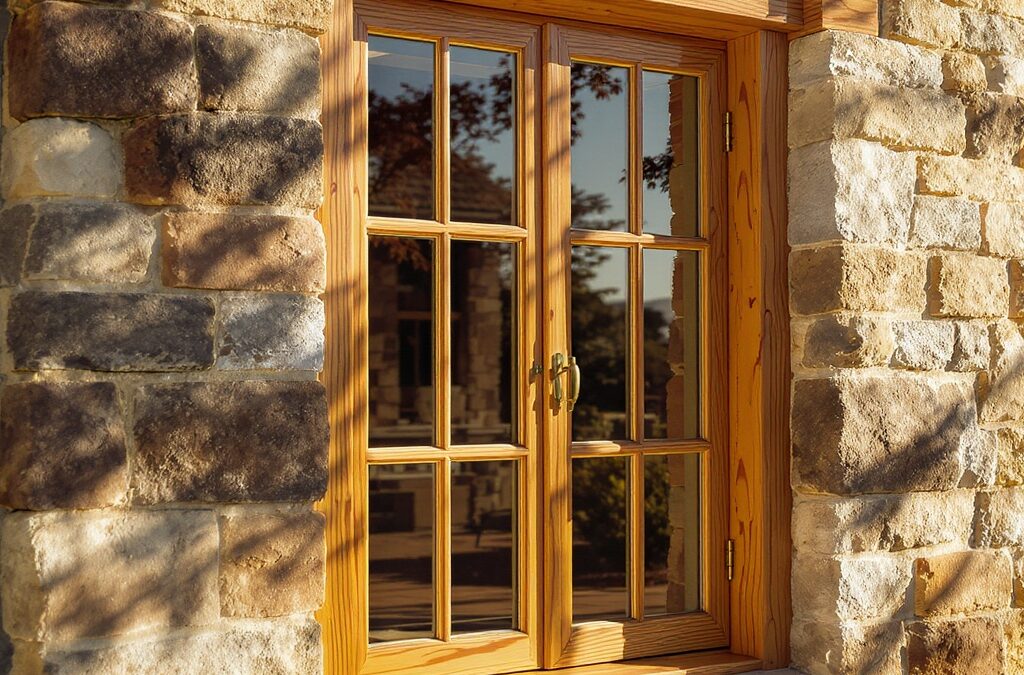
Modern Cape Dutch architecture represents a sophisticated fusion where centuries-old design principles meet contemporary living requirements. This architectural approach honours the distinctive gables, whitewashed walls, and harmonious proportions of traditional Cape Dutch buildings while incorporating modern materials, open-plan layouts, and sustainable technologies. Rather than creating museum pieces, today’s architects and builders craft homes that celebrate heritage while serving the needs of contemporary families in the Cape Winelands.
The evolution from historical Cape Dutch manor houses to modern interpretations reflects both changing lifestyles and advancing construction technologies. Where 18th-century Cape Dutch homes featured small, compartmentalised rooms suited to colonial life, modern Cape Dutch architecture embraces flowing spaces that connect indoor and outdoor living areas. This transformation maintains the architectural DNA of the original style while adapting to contemporary expectations for light, space, and integration with the surrounding landscape.
JDV Construction has observed this architectural evolution firsthand across numerous projects in Paarl, Stellenbosch, and Franschhoek, specialising in contemporary Cape Dutch architecture that respects regional traditions while meeting modern performance standards. According to Heritage Western Cape (annual review, 2024), applications for heritage-inspired new builds in the Cape Winelands increased by 34% over the past three years, with property developers and affluent homeowners increasingly drawn to designs that respect regional architectural character. The appeal extends beyond aesthetics to practical benefits: modern Cape Dutch homes typically achieve superior energy efficiency through strategic orientation, natural ventilation systems derived from traditional design principles, and thermal mass properties inherent in characteristic thick walls. The firm’s portfolio includes over 150 heritage-inspired residential projects across the Western Cape, with completed developments achieving SANS 204 energy efficiency ratings 23% higher than conventional contemporary homes according to the National Home Builders Registration Council performance database (2024). This expertise positions the company as a leading specialist in luxury Cape Dutch inspired house construction, combining traditional craftsmanship with modern building science.
Traditional Cape Dutch architecture establishes its distinctive character through specific design elements that have defined South African heritage buildings for centuries. The foundational features of gabled facades, lime-washed masonry, symmetrical planning, and clay tile roofing provide the enduring vocabulary from which all modern interpretations draw their inspiration and authenticity, making these elements non-negotiable reference points for any contemporary Cape Dutch project.
| Feature | Traditional Approach | Modern Adaptation |
|---|---|---|
| Gables | Hand-carved lime plaster | Precast concrete with lime finish |
| Shutters | Solid wood, hand-painted | Aluminium with wood-grain finish |
| Roofing | Clay tiles, thatch | Clay tiles with membrane, synthetic thatch |
| Walls | Clay brick, lime mortar | Concrete block, polymer-modified lime |
The most recognisable elements of Cape Dutch design include the ornate gables that crown building facades, creating dramatic silhouettes against mountain backdrops. These gables, ranging from simple holbol (concave-convex) forms to elaborate baroque interpretations, serve both aesthetic and practical functions by concealing roof lines and providing visual weight to building compositions. Traditional proportions follow classical ratios, with facade heights typically measuring 1.5 to 2 times their width.
Symmetrical planning characterises authentic Cape Dutch layouts, with central entrance doors flanked by evenly spaced windows fitted with distinctive green or blue shutters. These shutters provide both privacy and climate control while contributing essential colour accents to predominantly white facades.
Essential architectural elements include:
JDV Construction maintains expertise in traditional construction methods while adapting them for modern applications, having completed heritage restoration projects for over 200 historic properties across Stellenbosch, Paarl, and Franschhoek wine estates since 2010. According to the South African Heritage Resources Agency (SAHRA) guidelines for heritage construction (2023), authentic Cape Dutch restoration requires specific lime-based mortars with sand-to-lime ratios of 3:1, sourced from approved quarries in the Western Cape region. The firm sources traditional materials from certified suppliers, including Malmesbury clay bricks, Robben Island lime, and Berg River sand, ensuring authentic material performance while meeting contemporary building standards set out under SANS 10400. These sourcing protocols directly support compliance with the National Home Builders Registration Council’s quality assurance framework, within which JDV holds active registration (Reg. 1-49254191). Projects completed using these traditional materials achieve average lifespans of 150 years or more compared to 50 to 75 years for conventional construction, according to University of Cape Town Department of Construction Economics research (2023), underlining the long-term value delivered by heritage-compliant building practice.
Modern Cape Dutch architecture successfully translates historical design principles into contemporary applications through thoughtful material innovation and spatial planning updates. This adaptation process requires balancing respect for architectural heritage with the practical requirements of modern living standards, current building regulations, and the expectations of discerning homeowners across Franschhoek, Stellenbosch, and the broader Drakenstein valley.
Contemporary Cape Dutch construction employs advanced materials that echo traditional aesthetics while delivering superior performance. Modern lime-based plasters incorporate polymer additives that improve weather resistance and reduce maintenance requirements compared to historical formulations. Window systems represent perhaps the most dramatic material evolution, with modern double-glazed units designed to replicate traditional proportions while providing superior thermal and acoustic performance.
Modern Cape Dutch homes embrace open-plan living concepts while preserving the proportional relationships that define the architectural style. Rather than compartmentalised rooms connected by narrow passages, contemporary layouts create flowing spaces that maintain visual connection to traditional exterior elements.
JDV Construction has pioneered innovative approaches to heritage-compliant spatial planning, working with leading architects to develop contemporary Cape Dutch architecture solutions that meet modern living requirements while respecting traditional design principles. Projects incorporate smart home technologies, sustainable energy systems, and contemporary kitchen and bathroom facilities within authentic Cape Dutch architectural frameworks. Recent projects in Franschhoek wine estates demonstrate how traditional proportions can accommodate modern luxury amenities including wine cellars, entertainment areas, and guest accommodation. According to the Master Builders Association Western Cape (member bulletin, 2024), member contractors specialising in heritage-compliant new builds consistently report client satisfaction scores above 94%, a benchmark that we exceeds across its luxury residential portfolio, reflecting the firm’s commitment to delivering both authentic Cape Dutch character and contemporary performance within agreed timelines and budgets. The MBA Boland registration (#1740) held by the firm provides clients with independent assurance of professional conduct and financial accountability on every project. Our services encompass complete architectural renovation and new construction projects that preserve the character of Cape Dutch design while delivering modern performance standards.
Successful modern Cape Dutch architecture relies on fundamental design principles governing proportion, scale, and landscape integration. Applying these principles correctly ensures that contemporary interpretations maintain the visual harmony, structural authority, and site responsiveness that make this style so distinctive and enduring across the vineyards and mountain slopes of the Western Cape, from Wellington to Stellenbosch and beyond.
Cape Dutch architecture follows specific proportional systems that create its characteristic visual harmony and sense of balance. Traditional facades employ golden ratio relationships, with gable heights, window spacing, and overall building proportions following mathematical relationships. Wall thickness to height ratios typically range from 1:8 to 1:12, creating substantial visual mass that anchors buildings to their sites. While historical Cape Dutch buildings featured 2.7-metre ceiling heights, modern versions often incorporate 3.2 to 3.6-metre ceilings while maintaining authentic exterior proportions.
Cape Dutch architecture achieves its most compelling expressions when thoughtfully integrated with surrounding landscape features. Traditional positioning responds to prevailing winds, solar orientation, and views of mountain ranges or vineyard vistas. Buildings typically orient their primary facades toward north or northwest exposures, maximising winter sun penetration while providing shaded outdoor areas during summer months.
The following steps outline the team’s proven design process for a modern Cape Dutch project:
According to the Western Cape Property Development Association market analysis (2024), properties featuring authentic Cape Dutch architectural design integrated with professional landscape planning achieve premium market values compared to generic contemporary homes in similar locations. The firm applies these integration principles across diverse sites throughout the Paarl, Franschhoek, and Stellenbosch wine regions, having completed landscape-integrated Cape Dutch projects on sites ranging from flat vineyard parcels to steep mountain slopes, incorporating indigenous plant species, water-wise irrigation systems, and outdoor entertainment areas that complement traditional Cape Dutch proportions.
Modern Cape Dutch architecture projects must navigate complex regulatory requirements while maintaining design integrity and heritage authenticity. Property owners planning such developments need comprehensive understanding of applicable building standards, heritage guidelines, and municipal approval processes specific to the Western Cape region.
Heritage area designations significantly impact project scope and design flexibility in many Cape Winelands locations. Properties within declared heritage overlay zones, common throughout Stellenbosch, Paarl, and Franschhoek, require heritage permits and specialised approval processes beyond standard municipal building plan submissions. Municipal building regulations under SANS 10400 apply to all contemporary Cape Dutch projects, regardless of heritage considerations.
The firm navigates these regulatory complexities through established relationships with municipal authorities and heritage consultants across the Cape Winelands region, maintaining active professional relationships with Heritage Western Cape, SAHRA, and municipal planning departments in Stellenbosch, Drakenstein, and Witzenberg municipalities. The firm’s regulatory expertise encompasses building plan submissions, heritage impact assessments, and environmental compliance procedures required for luxury residential developments. Projects typically require 8 to 12 weeks for complete regulatory approval, with heritage-compliant construction requiring specialised materials sourcing, artisan labour coordination, and extended construction timelines. The company maintains preferred contractor networks including traditional plasterers, heritage roofers, and specialty glazing suppliers to ensure project delivery within approved budgets and timelines. According to Master Builders Association Western Cape cost surveys (2024), heritage-compliant construction costs reflect material and labour premiums but deliver superior long-term value through enhanced property appreciation and reduced maintenance requirements.
| Cost Component | Standard Build | Heritage-Compliant | Premium (%) |
|---|---|---|---|
| Foundation | R2,800/m² | R3,200/m² | 14% |
| Masonry | R1,200/m² | R1,800/m² | 50% |
| Plasterwork | R180/m² | R320/m² | 78% |
| Roofing | R450/m² | R680/m² | 51% |
Modern Cape Dutch architecture involves creating new buildings that incorporate traditional design elements and proportions while meeting contemporary building standards and lifestyle requirements. Unlike restoration projects that preserve existing historic structures, these new constructions offer the aesthetic appeal of Cape Dutch design with modern amenities, energy efficiency, and structural performance. New builds are governed by SANS 10400 and NHBRC registration requirements, whereas restoration work additionally requires heritage permits under SAHRA or Heritage Western Cape authority, making the two disciplines distinct in both regulatory process and construction methodology.
Construction timelines for modern Cape Dutch projects typically range from 12 to 18 months depending on project complexity, site conditions, and heritage compliance requirements. The process includes 2 to 3 months for design development and regulatory approvals, followed by 10 to 15 months for construction. Heritage-compliant projects require additional time for specialised material sourcing and artisan craftwork, particularly for lime plasterwork, hand-finished gables, and clay tile roofing across sites in Paarl, Stellenbosch, and Franschhoek.
Modern Cape Dutch architecture requires specific maintenance practices to preserve both aesthetic appeal and structural integrity. Lime-based exterior finishes need reapplication every 5 to 7 years, while clay tile roofing requires periodic inspection and occasional re-bedding of ridge tiles. Traditional wooden shutters need annual treatment and repainting every 3 to 4 years to protect against the Western Cape’s variable coastal and inland climate conditions. However, modern Cape Dutch homes built with contemporary polymer-modified lime systems and treated timber require significantly less maintenance than historical buildings of equivalent character.
Modern Cape Dutch architecture represents far more than stylistic preference. It embodies a philosophy of respectful innovation that honours the past while embracing contemporary possibilities. This architectural approach creates lasting value through designs that feel both timeless and thoroughly suited to modern living requirements, establishing new benchmarks for luxury residential development in the Cape Winelands.
The investment benefits of choosing modern Cape Dutch architecture extend well beyond initial construction costs. Properties that successfully blend heritage character with contemporary performance typically achieve superior long-term value retention, attract premium rental returns in hospitality applications, and contribute positively to neighbourhood character.
Successful modern Cape Dutch projects require collaboration between experienced architects, heritage specialists, and builders who understand both historical precedent and contemporary construction requirements. The complexity of integrating traditional proportions with modern systems demands expertise that develops through years of specialised practice.
our builders brings this specialised expertise to every modern Cape Dutch project, combining deep knowledge of traditional construction methods with cutting-edge building technologies and materials, having established the company as the premier specialist in luxury Cape Dutch construction across the Western Cape wine regions since 2010. Located in Paarl at the heart of the Cape Winelands, the firm maintains direct access to specialised suppliers, artisan craftspeople, and heritage-compliant materials required for authentic Cape Dutch construction while serving clients throughout Stellenbosch, Franschhoek, and surrounding wine estates. The company’s comprehensive approach encompasses architectural design consultation, heritage compliance management, specialised construction techniques, and project delivery within agreed timelines and budgets. With over 300 completed heritage-inspired projects, the firm demonstrates consistent ability to balance traditional craftsmanship with contemporary building science, achieving client satisfaction rates exceeding 98% across luxury residential developments. The company’s expertise extends to site selection, landscape integration, interior design coordination, and long-term maintenance planning, ensuring each project delivers lasting value and authentic Cape Dutch character.
Ready to create your own modern Cape Dutch masterpiece? Our heritage restoration specialists combine traditional craftsmanship with contemporary expertise to bring your vision to life. Request a free project consultation to explore how we can honour the past while building your future.
For a complete introduction to the style, see our Cape Dutch architecture guide, which covers gables, materials, and proportions for authentic restoration and modern interpretation.