Reach out to us
Send us an enquiry
Take the first step – Send us an enquiry about your exciting new construction project today!
(021) 863 4891
(072) 520 6903
info@jdv-construction.co.za
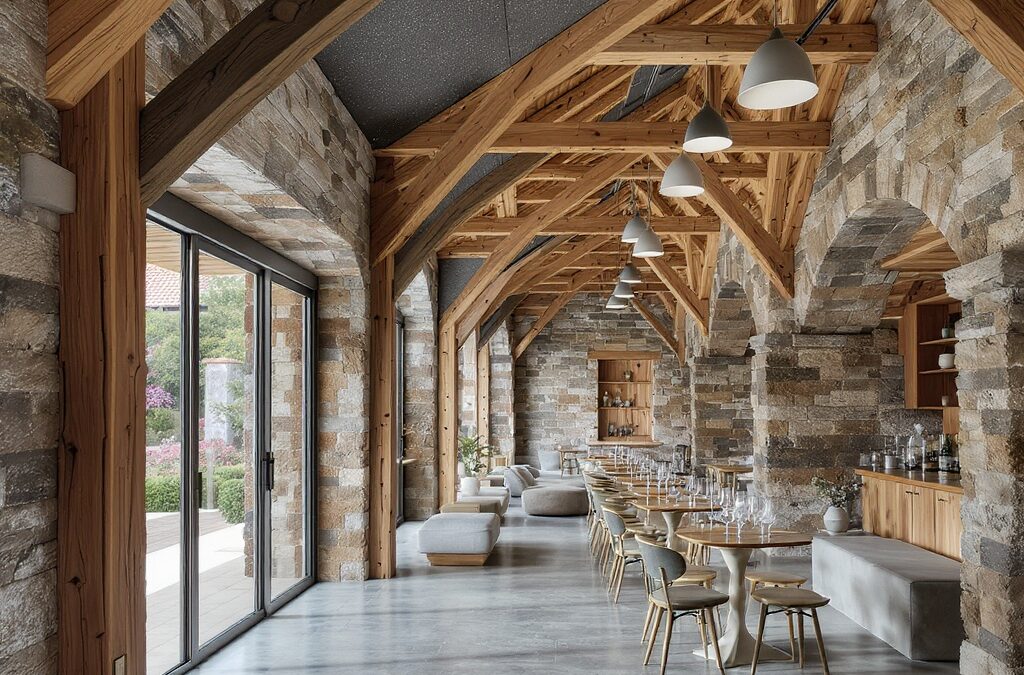
Creating the perfect wine tasting environment extends far beyond selecting premium wines and elegant glassware. Tasting room acoustics play a crucial role in enhancing the multi-sensory wine experience, directly impacting how guests perceive flavors, engage with wine education, and connect with your brand story.
Research demonstrates that excessive background noise and poor acoustic conditions can significantly diminish taste perception and reduce the ability to detect subtle wine characteristics. In the Cape Winelands, where wine tourism drives significant economic value, tasting room owners who prioritize acoustic design create more intimate, educational, and memorable experiences that encourage longer visits and higher spending per guest.
The challenge lies in balancing aesthetic appeal with acoustic performance. Most modern tasting rooms feature beautiful hard surfaces like exposed concrete, expansive glass walls, and metal architectural elements that create visually stunning spaces but generate problematic sound reflections. Understanding how to address these acoustic challenges while preserving design integrity is essential for creating world-class wine tasting environments.
When speech clarity improves through proper acoustic treatment, wine educators can more effectively communicate tasting notes, terroir characteristics, and winemaking processes. Guests can engage in meaningful conversations about wine without straining to hear over excessive reverberation or competing conversations.
Contemporary tasting room architecture often prioritizes visual impact over acoustic performance, creating spaces that look spectacular but sound terrible. Understanding these common problematic materials helps explain why many beautiful tasting rooms suffer from poor conversation quality and reduced guest satisfaction.
Concrete floors and walls, while aesthetically aligned with modern cellar design, reflect virtually all sound energy back into the space. Glass walls that showcase vineyard views create multiple reflection surfaces that compound reverberation problems. Exposed steel beams and metal architectural features further contribute to harsh acoustic conditions by reflecting high-frequency sounds that make conversation difficult.
Natural stone surfaces, popular in Cape Winelands tasting rooms for their connection to terroir, present similar challenges. These materials create the “cathedral effect” where every conversation echoes throughout the space, making intimate wine discussions impossible and forcing staff to raise their voices during guided tastings.
Optimal tasting room acoustics require reverberation times between 0.6 and 0.8 seconds for speech clarity. Most untreated tasting rooms with predominant hard surfaces measure between 1.5 and 2.5 seconds, creating the acoustic equivalent of trying to conduct a wine tasting inside a concrete bunker.
Excessive reverberation masks the subtle nuances of wine education, making it difficult for guests to hear descriptive language about aromatics, flavor profiles, and wine structure. This acoustic interference directly undermines the educational component that distinguishes professional wine tastings from simple beverage service.
The most effective approach to improving tasting room acoustics begins with ceiling treatments, which provide maximum acoustic impact while remaining visually unobtrusive. This strategy recognizes that sound energy travels upward in most tasting room configurations, making ceiling absorption the most efficient intervention point.
High-performance acoustic ceiling panels designed for commercial hospitality environments offer the greatest return on acoustic investment. These panels typically achieve Noise Reduction Coefficient (NRC) ratings between 0.85 and 0.95, meaning they absorb 85-95% of sound energy that strikes their surface.
For tasting rooms, fiberglass-core panels with fabric facings provide optimal performance while maintaining fire safety compliance required for commercial hospitality spaces. These panels can be custom-colored to match existing design schemes, ensuring acoustic improvements enhance rather than compromise aesthetic appeal.
Installation typically involves suspending panels from the existing ceiling structure, creating an acoustic cloud that captures sound reflections before they can contribute to reverberation problems.
Acoustic cloud systems offer exceptional flexibility for tasting rooms with varied ceiling heights or architectural features. These suspended panels can be arranged to define different functional zones within larger tasting spaces, creating acoustic separation between guided tasting areas and casual conversation zones.
Cloud systems excel in tasting rooms with exposed structural elements, as they can be positioned to work around beams, ductwork, and lighting without requiring structural modifications. This approach preserves the industrial aesthetic many modern tasting rooms desire while dramatically improving acoustic performance.
For new construction or major renovations, integrated acoustic ceiling systems provide seamless acoustic and aesthetic solutions. These systems combine acoustic absorption with lighting, air handling, and architectural details to create cohesive design elements that serve multiple functions.
Perforated metal ceiling systems with acoustic backing materials offer particularly elegant solutions for contemporary tasting rooms, providing the clean lines and industrial appeal of metal surfaces while delivering effective sound absorption.
Successful acoustic treatment in hospitality environments requires materials that can seamlessly integrate with existing décor while providing effective sound control. The key lies in selecting solutions that can be customized to match or complement the carefully curated aesthetic that defines premium wine venues.
Advanced micro-perforated acoustic panels accept paint applications without compromising acoustic performance, allowing complete color customization to match any design scheme. These panels maintain their sound absorption characteristics even after multiple paint applications, providing long-term flexibility for design updates.
Spray-applied acoustic treatments offer another invisible solution, particularly effective for irregular ceiling surfaces or areas where traditional panels would be impractical. These materials can be tinted to match existing surfaces while providing meaningful acoustic improvement.
Fabric-wrapped acoustic panels can be manufactured in virtually any color or pattern, including custom prints that incorporate winery branding or artistic elements. This customization capability allows acoustic treatments to become design features rather than utilitarian add-ons.
Natural fiber acoustic materials, such as wool-based panels, provide excellent acoustic performance while supporting sustainable design goals increasingly important to environmentally conscious wine consumers. These materials can be dyed to achieve specific color matches for seamless integration.
High-performance acoustic fabrics designed for commercial applications offer exceptional durability while maintaining elegant appearance. These materials resist staining, fading, and wear while providing consistent acoustic performance over time.
Fire-rated fabric systems ensure compliance with safety codes required for commercial hospitality venues while offering unlimited design possibilities through custom printing, embroidery, or specialty weaving techniques that can incorporate winery logos or artistic elements.
Ready to enhance your tasting room’s acoustic environment? Consult an acoustic specialist for your tasting room design to create the perfect multi-sensory wine experience for your guests.
Strategic integration of textile-based acoustic treatments provides effective sound control while adding warmth and comfort to tasting room environments. These soft surface solutions work particularly well in areas where hard architectural surfaces cannot be modified but acoustic improvement is essential.
Wall-mounted fabric acoustic systems offer significant sound absorption while creating visual interest through texture and color variation. These systems can incorporate wine-themed artwork or photography printed directly onto acoustic fabric, creating functional art installations that improve both aesthetics and acoustics.
Modular fabric systems allow for easy reconfiguration as tasting room layouts evolve, providing long-term flexibility while maintaining consistent acoustic performance. These systems can define different functional areas within larger spaces through color coding or pattern variation.
Strategic placement of upholstered seating, banquettes, and decorative elements provides acoustic absorption while enhancing guest comfort. High-performance upholstery fabrics designed for commercial hospitality applications resist staining from wine spills while maintaining acoustic properties over time.
Upholstered wall panels in tasting areas can incorporate wine storage, display functions, or branding elements while providing essential acoustic treatment. These multi-functional elements maximize space efficiency while addressing acoustic needs.
| Treatment Type | Acoustic Benefit | Maintenance Level | Fire Rating |
|---|---|---|---|
| Fabric panels | High absorption | Low maintenance | Class A fire rated |
| Tapestries | Moderate absorption | Regular cleaning | Varies by material |
| Acoustic curtains | Variable control | Machine washable | Class A available |
| Textile murals | Moderate absorption | Professional cleaning | Class A required |
Textile wall treatments must meet commercial fire safety standards while providing effective acoustic control. Class A fire-rated materials ensure code compliance while offering extensive design possibilities through custom printing, weaving, or artistic applications that can showcase winery heritage or vineyard imagery.
Tasting room acoustics must specifically address the unique communication needs of wine education and guided tasting experiences. Unlike general restaurant environments, wine venues require exceptional speech intelligibility to support detailed discussions of tasting notes, winemaking processes, and terroir characteristics.
Advanced sound masking systems can provide consistent low-level background sound that improves conversation privacy between different tasting groups without interfering with wine education. These systems use electronically generated sounds that mask distracting conversations while maintaining clarity for direct communication.
Properly calibrated masking systems create acoustic zones that allow multiple tasting experiences to occur simultaneously without mutual interference. This capability is particularly valuable during busy periods when multiple groups receive guided tastings concurrently.
Creating distinct acoustic zones within larger tasting spaces allows for varied experiences from intimate conversations to larger educational presentations. Variable acoustic treatments can be deployed to adjust absorption characteristics based on different use scenarios.
Moveable acoustic elements, such as portable panels or adjustable fabric systems, provide flexibility to modify acoustic conditions for special events, large group tastings, or seasonal changes in tasting room configuration. This adaptability ensures optimal acoustic performance across all operational scenarios.
Implementing effective tasting room acoustics requires a systematic approach that prioritizes ceiling treatments while integrating complementary wall and soft surface solutions. The most successful projects follow a phased implementation strategy that allows for acoustic testing and refinement throughout the process.
Begin with comprehensive acoustic measurement to establish baseline conditions and identify primary problem areas. Professional acoustic consultants can provide detailed analysis of reverberation times, speech intelligibility metrics, and background noise levels that inform treatment priorities and material selection.
Ceiling treatments should be installed first, as they provide the greatest acoustic impact and establish the foundation for additional treatments. Wall-mounted and soft surface treatments can then be added incrementally to fine-tune acoustic performance and achieve target reverberation times.
Budget considerations should account for both initial installation costs and long-term maintenance requirements. High-quality acoustic materials designed for commercial hospitality applications provide better long-term value through durability and consistent performance compared to residential-grade alternatives.
Timeline planning should coordinate acoustic installations with other renovation activities to minimize operational disruption. Many acoustic treatments can be installed during off-season periods or temporary closures, allowing for complete implementation without impacting peak tasting room operations.
Regular acoustic monitoring ensures continued performance as materials age and operational patterns change. Simple sound level measurements can identify when additional treatment may be needed or when existing materials require maintenance or replacement.
What is the ideal reverberation time for a wine tasting room?
How do acoustic treatments affect wine tasting perception?
What acoustic materials work best in commercial wine venues?
Should I prioritize ceiling or wall acoustic treatments?
JDV Construction has tuned tasting-room acoustics for some of the Cape Winelands’ most demanding wine estates, including projects at Babylonstoren and Soetmelksvlei, where the space had to read as warm and conversational rather than echoey or harsh. Our team works closely with the architect and the cellar master from concept stage, mapping how guests will move through the room, where the pouring station sits, and which surfaces need to absorb rather than reflect. Material choices follow the brief: lime-plaster walls and reclaimed yellowwood ceilings deliver heritage character while carrying the acoustic load. NHBRC-registered and MBA Boland member since 2010, JDV brings 14 years of heritage build experience to every tasting-room project.