Reach out to us
Send us an enquiry
Take the first step – Send us an enquiry about your exciting new construction project today!
(021) 863 4891
(072) 520 6903
info@jdv-construction.co.za
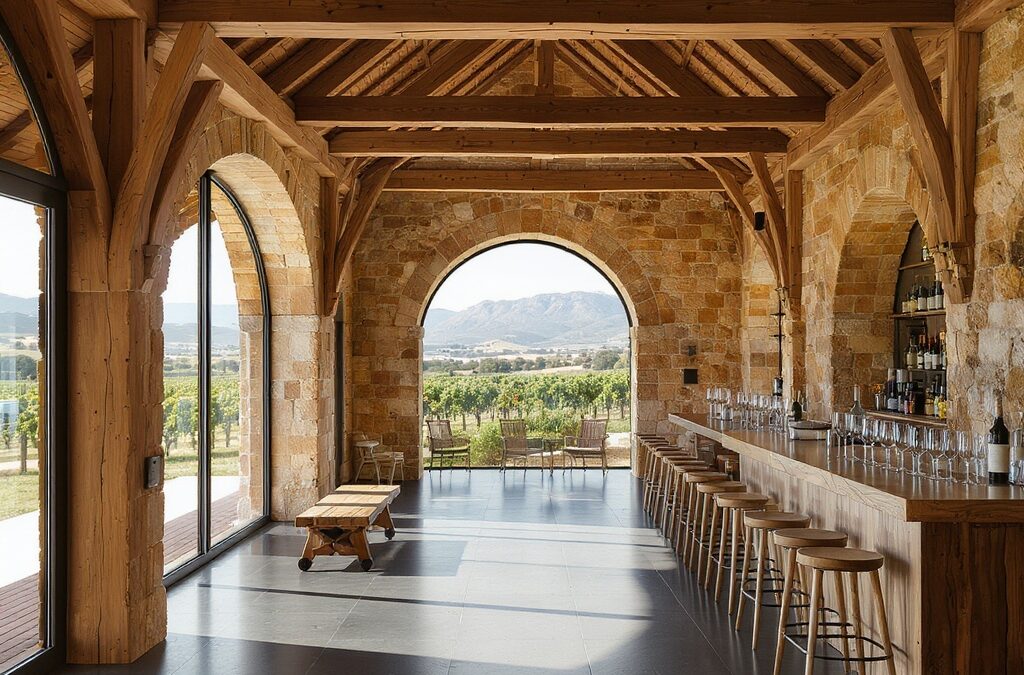
Modern tasting room design has evolved far beyond simple wine service spaces. Today’s most successful wine estates understand that their tasting rooms must function as three-dimensional autobiographies, where every architectural choice, material selection, and design element contributes to a compelling narrative that transforms casual visitors into devoted brand ambassadors.
The traditional wine tasting model is rapidly becoming obsolete. Where once estates could rely on quick tastings to drive direct sales, today’s visitors, particularly millennials, seek meaningful experiences that justify their time and travel investment. A well-crafted tasting room design serves as the cornerstone of this experiential shift, creating destination spaces where guests naturally want to linger, explore, and ultimately develop emotional connections with your estate story.
Your estate’s unique history, terroir, and winemaking philosophy represent invaluable assets that differentiate your brand in an increasingly crowded market. When thoughtfully integrated into your wine tasting experience, these narrative elements transform routine tastings into memorable journeys. This emotional engagement directly impacts business outcomes, with story-driven tasting rooms consistently reporting higher per-visitor sales, increased wine club memberships, and stronger customer retention rates.
The success of narrative-driven tasting room design begins with strategic location selection and thoughtful layout planning. These foundational decisions establish the framework within which your estate story will unfold, guiding visitors through carefully orchestrated experiences that reveal different chapters of your heritage.
Your tasting room location should amplify your estate’s most compelling narrative elements. Historic cellars with original stone walls tell stories of tradition and craftsmanship, while elevated positions overlooking vineyards emphasize terroir and agricultural heritage. Consider how natural features like century-old oak trees, original farm buildings, or unique geological formations can be incorporated into your wine estate design to create authentic connections between space and story.
Effective layout design orchestrates visitor movement to reveal your story progressively. Create distinct zones that correspond to different narrative chapters: perhaps beginning with family history displays, transitioning through winemaking process demonstrations, and culminating in current vintage tastings. Traffic flow should feel natural rather than forced, with subtle architectural cues guiding guests through your intended narrative sequence.
Successful tasting rooms incorporate multiple functional zones that serve different storytelling purposes. Welcome areas introduce visitors to your estate’s fundamental values, tasting bars focus attention on wine quality and craftsmanship, and comfortable seating areas encourage extended conversations about your winemaking philosophy. Each zone requires specific design considerations to support its narrative function while maintaining operational efficiency.
Architecture serves as your estate’s most powerful storytelling medium, communicating values, history, and personality through material choices, structural elements, and spatial relationships. Thoughtful architectural elements create authentic connections between your physical space and brand narrative, establishing credibility and emotional resonance with visitors.
Select materials that reflect your estate’s geographic and cultural context. Cape Dutch architecture elements like thatched roofs, whitewashed walls, and yellowwood beams immediately communicate South African wine heritage. Local stone from your property creates tangible connections between tasting room and terroir, while reclaimed materials from original estate buildings maintain historical continuity. These material choices should feel authentic rather than applied, growing organically from your estate’s specific story.
Existing structures often contain the most compelling elements of your estate heritage. Original stone cellars, heritage buildings, and vintage equipment can be preserved and highlighted as focal points within your new design. Consider how structural modifications can reveal rather than obscure historical elements: removing modern additions to expose original stonework, creating viewing windows into working cellars, or incorporating antique winemaking equipment as functional art pieces.
Transform your estate’s documentary history into compelling physical displays. Vintage photographs, original land grants, historical wine labels, and family documents can be professionally mounted and integrated into architectural elements. Consider commissioning local artisans to create custom display cases from estate materials, or incorporating archive elements into permanent installations like etched glass panels or carved stone features that tell your story while enhancing architectural beauty.
Exceptional tasting room design orchestrates multi-sensory experiences that support and enhance your narrative. While taste remains central to wine evaluation, strategic engagement of sight, sound, touch, and smell creates immersive environments that make your estate story memorable and emotionally compelling.
Sound design significantly impacts visitor comfort and engagement levels. Install sound-absorbing materials like fabric wall panels, cork flooring, or wooden ceiling treatments to create intimate acoustic environments that encourage meaningful conversations. Background music should complement rather than compete with discussion, while architectural features like vaulted ceilings or stone walls can be balanced with soft furnishings to achieve optimal acoustic conditions for tasting room atmosphere.
Incorporate materials that invite physical interaction and reinforce your estate’s character. Rough-hewn wooden tasting bars encourage guests to run their hands along natural grain patterns, while smooth stone surfaces provide cooling contrast. Textural variety keeps visitors engaged and creates memorable sensory associations with your brand. Consider how different materials feel under different lighting conditions and seasons, ensuring year-round tactile appeal.
Strategic lighting design transforms ordinary spaces into dramatic storytelling environments. Use directional lighting to highlight key narrative elements, create focal points around important displays, and establish mood throughout different areas. Consider how natural light changes throughout the day and seasons, designing flexible artificial lighting systems that maintain consistent guest experience regardless of external conditions. Commission local artists to create permanent installations that celebrate your estate’s unique story while supporting regional creative communities.
| Sensory Element | Design Strategy | Story Integration |
|---|---|---|
| Visual | Strategic lighting, art displays | Highlight heritage elements |
| Acoustic | Sound-absorbing materials | Enable intimate conversations |
| Tactile | Varied material textures | Connect guests to terroir |
| Olfactory | Natural materials, fresh flowers | Enhance wine aromatics |
Your wine storage systems serve dual purposes: protecting your collection while showcasing it as living history. Strategic display design transforms necessary storage functions into compelling narrative elements that demonstrate your estate’s evolution, quality standards, and commitment to excellence.
Design storage displays that organize wines by story rather than just variety or vintage. Group bottles that represent significant estate milestones, family celebrations, or exceptional harvest years together with explanatory materials that provide context. Climate-controlled display cases allow you to showcase rare or historic bottles safely while making them accessible for storytelling. Consider how bottle positioning, lighting, and labeling systems can guide visitors through your collection’s narrative progression.
Modern visitors expect engagement opportunities beyond passive observation. Incorporate QR codes linking to harvest videos, touch-screen displays showing vineyard maps and vintage reports, or hands-on elements like grape variety comparison stations. These interactive elements should enhance rather than replace personal interaction with tasting room staff, providing background information that enables deeper conversations about your winemaking process and philosophy.
Collection showcase areas require careful balance between visibility and protection. UV-filtering glass, consistent temperature control, and appropriate humidity levels protect wine quality while maintaining display functionality. Design storage systems with easy access for staff while ensuring visitor safety and wine security. Consider incorporating working storage areas visible to guests, demonstrating active wine aging processes while maintaining proper cellar conditions.
Modern tasting room design must address the fundamental shift from quick tastings to extended experiences. Creating comfortable, Instagram-worthy spaces that encourage guests to stay longer directly impacts sales outcomes and builds stronger customer relationships through extended brand exposure.
Design diverse seating options that accommodate different group sizes and interaction styles. Intimate tables for couples, larger communal areas for groups, and bar-style seating for individuals each serve different hospitality functions. Furniture selection should balance comfort with durability, considering high-traffic commercial use while maintaining residential-scale intimacy. Strategic placement near vineyard views, fireplaces, or other focal points gives each seating area distinct character and purpose.
Contemporary guest experience design must account for social media sharing behaviors. Create visually striking moments that naturally encourage photography: dramatic lighting installations, scenic overlooks, artistic wine displays, or unique architectural features. These designed moments extend your marketing reach through authentic visitor sharing while creating memorable experiences that differentiate your estate from competitors. Ensure adequate lighting and attractive backgrounds for quality photographs throughout the space.
Experiential design should accommodate revenue-generating private events without compromising daily tasting operations. Consider moveable partitions, flexible furniture systems, and multi-purpose areas that can transform for special occasions. Private event capabilities significantly increase revenue per square foot while providing exclusive experiences that strengthen customer relationships. Design these spaces to maintain your estate story coherence regardless of configuration or event type.
Ready to transform your tasting room into a compelling estate story? Our wine industry design specialists understand the unique balance between functionality and narrative. Schedule a consultation to discover how your space can become a three-dimensional autobiography that drives both visitor engagement and wine sales.
South African wine estate design projects must navigate unique heritage considerations, regulatory requirements, and cultural opportunities that distinguish local projects from international models. Understanding these specific contexts ensures successful project completion while celebrating regional wine industry heritage.
Many Western Cape wine estates operate on land with significant historical importance, requiring specialized approaches to heritage design. National Heritage Resources Act requirements may limit structural modifications, particularly on properties with Cape Dutch architecture or sites associated with early colonial settlement. Consult heritage specialists early in your design process to understand restrictions and identify opportunities to enhance rather than compromise historical integrity through thoughtful contemporary additions.
South African artisan communities offer unique opportunities to incorporate authentic regional elements into your tasting room design. Partner with local craftspeople specializing in traditional techniques: thatchers for authentic roof restoration, stonemasons familiar with regional building methods, or furniture makers working with indigenous woods. These partnerships create distinctive design elements while supporting local creative economies and ensuring authentic cultural representation.
Commercial tasting room facilities must comply with South African National Standards, particularly SANS 10400 building regulations covering structural requirements, fire safety, and accessibility standards. Local regulations also include liquor licensing requirements, food safety standards if serving cuisine, and tourism facility guidelines. Work with contractors experienced in wine industry projects to ensure compliance while maintaining design integrity throughout your project timeline.
Successful tasting room design transforms ordinary commercial spaces into compelling three-dimensional narratives that emotionally connect visitors with your estate’s unique heritage and values. By thoughtfully integrating architectural elements, sensory experiences, and cultural context, your tasting room becomes a powerful business tool that drives visitor engagement, increases sales, and builds lasting customer relationships.
The investment in narrative-driven design pays dividends through enhanced visitor experiences that justify premium pricing, encourage extended visits, and generate authentic social media marketing. When every design decision reflects your estate story, your tasting room transcends mere commercial function to become an authentic expression of your winemaking passion and regional heritage.
How much should I budget for a narrative-focused tasting room design?
Can I incorporate storytelling elements into an existing tasting room?
What are the most effective storytelling elements for small estate budgets?
How do I ensure my tasting room design complies with South African heritage regulations?
A tasting room earns its place in the estate story when the build supports the narrative the brand wants to tell. JDV Construction has delivered exactly this kind of brand-led build for Cape Winelands wine farms including Babylonstoren and Rupert & Rothschild, where the architecture, the materials, and the craft details combine to read as a single coherent estate voice. We coordinate with the architect and the marketing team from the earliest design conversations so that finishes, lighting, and guest-flow choices all reinforce the estate identity. NHBRC-registered and MBA Boland member, JDV has been building heritage and luxury hospitality projects in the Cape Winelands since 2010.