Reach out to us
Send us an enquiry
Take the first step – Send us an enquiry about your exciting new construction project today!
(021) 863 4891
(072) 520 6903
info@jdv-construction.co.za
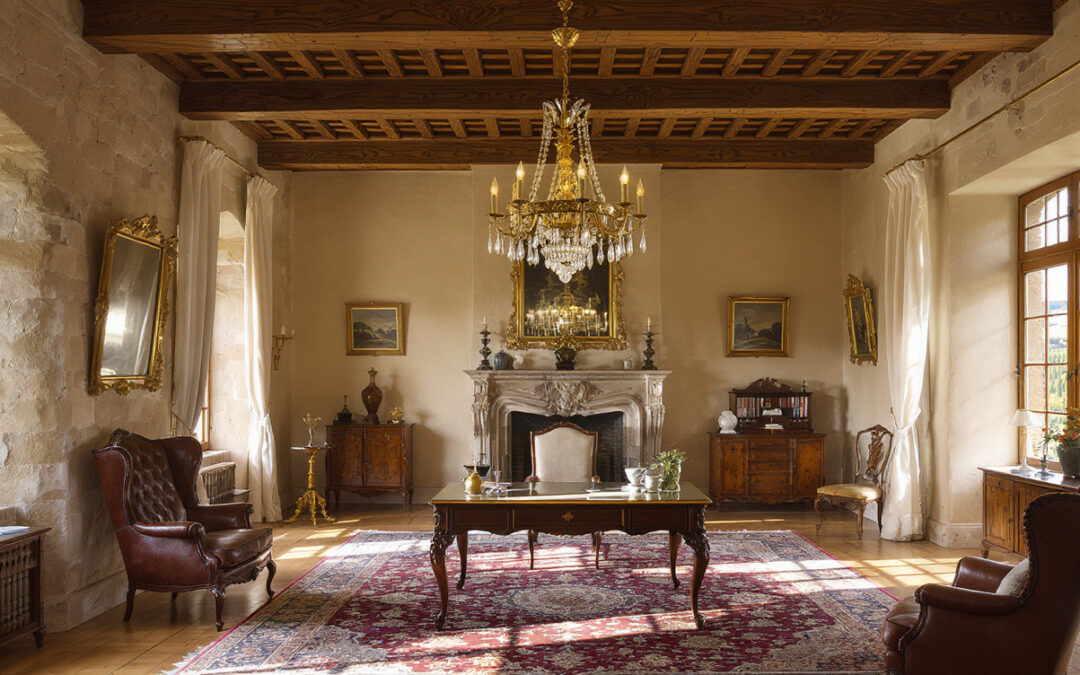
Here’s the thing about heritage buildings, discreet fire protection and fire safety, it’s like trying to protect a priceless vintage dress with a modern raincoat. Sure, the raincoat works, but suddenly your masterpiece looks like it’s ready for a storm rather than a gallery.
Heritage buildings face this exact paradox daily. Moreover, contemporary fire protection systems excel at preventing disasters, but traditional detection and suppression equipment often clashes with the irreplaceable architectural character that makes these properties so valuable. Consequently, many heritage property owners find themselves caught between safety compliance and aesthetic integrity, struggling to implement adequate discreet fire protection without compromising their historic interiors.
Let’s be real about the stakes here. Furthermore, research indicates that heritage buildings experience disproportionately severe fire damage compared to modern structures, primarily due to inadequate protection systems. Insurance claims for heritage properties often exceed millions of rands, with irreplaceable cultural value lost forever. Therefore, the challenge becomes finding sophisticated fire safety solutions that remain virtually invisible while providing superior protection—essentially, the holy grail of heritage preservation and discreet fire protection.
Picture this: you’ve spent years restoring a Victorian mansion to its original glory, complete with period-appropriate wallpaper and delicate plasterwork. Then along comes the fire safety inspector with requirements for bulky smoke detectors, visible sprinkler heads, and prominent alarm panels that essentially scream “21st century” in your carefully preserved 19th-century space.
Standard fire detection systems rely on these visually intrusive components that disrupt carefully preserved historical aesthetics. Furthermore, conventional systems often require extensive modifications to original architectural features, potentially damaging irreplaceable heritage elements during installation. It’s like performing surgery with a sledgehammer—technically effective, but missing the point entirely.
Traditional systems also struggle with the unique characteristics that make heritage buildings special in the first place. High ceilings, complex room configurations, and natural ventilation patterns weren’t designed with modern fire detection in mind, neither discreet fire protection. Additionally, many heritage properties feature valuable artefacts, period furnishings, and delicate finishes that require specialised protection approaches beyond standard fire safety protocols.
When heritage buildings suffer fire damage, the financial impact extends far beyond basic structural repairs—we’re talking about loss on an almost existential level. Cultural institutions face closure periods that result in lost revenue, whilst heritage homeowners confront astronomical restoration costs for period-specific materials and the increasingly rare craftspeople who know how to work with them.
The Notre-Dame Cathedral fire exemplifies how quickly centuries of history can vanish despite modern firefighting capabilities. Therefore, proactive fire protection becomes essential for preserving South Africa’s architectural heritage, particularly in regions like the Cape Winelands where historical properties define cultural identity and economic value. Hence, heritage building restoration projects must prioritise sophisticated protection from the outset.
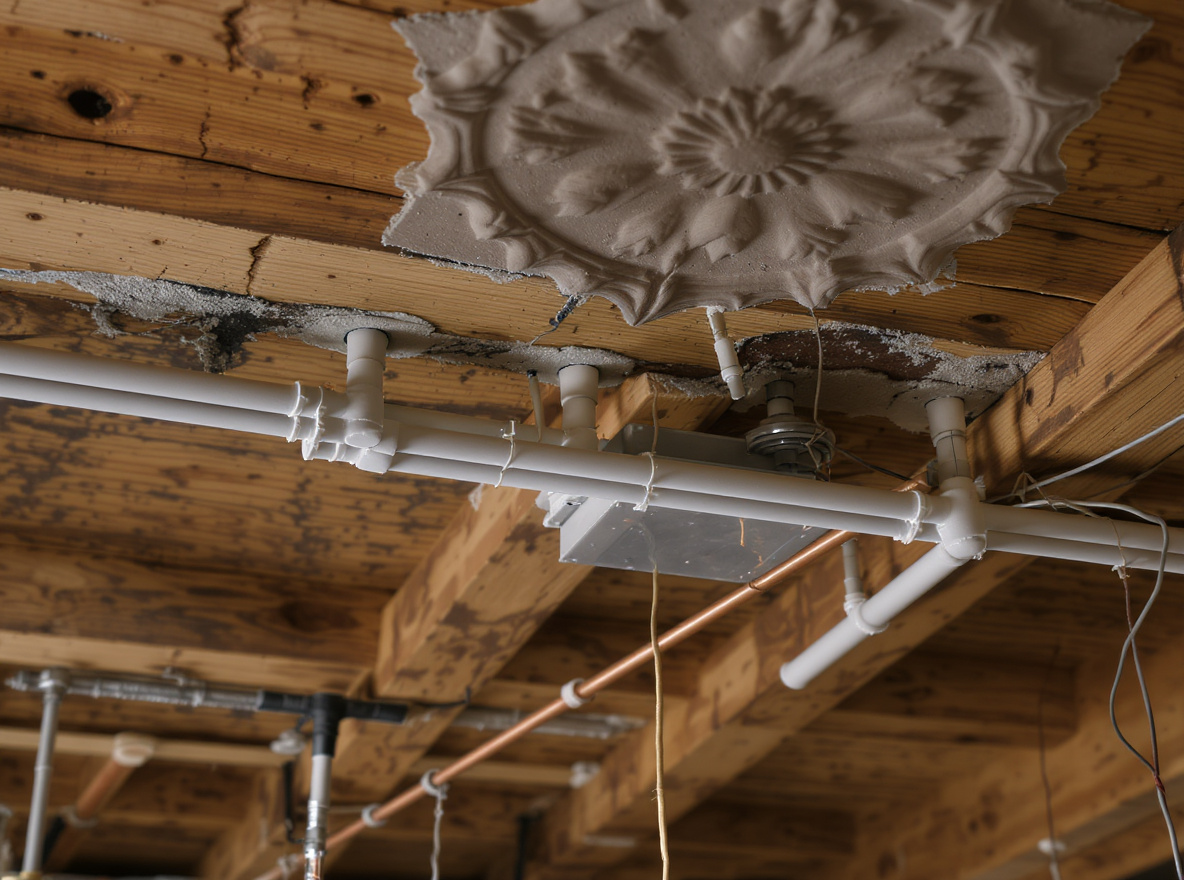
Here’s where things get interesting. Active air sampling represents the pinnacle of discreet fire protection technology for heritage interiors, think of it as the heritage building’s personal air quality sommelier, constantly tasting the atmosphere for the first hint of trouble.
These sophisticated VEA systems continuously monitor air quality through nearly invisible sampling points, detecting combustion particles at concentrations thousands of times lower than traditional smoke detectors can identify. It’s like having a bloodhound’s nose for fire, but with the discretion of a well-trained butler.
VEA (Very Early Aspirating) detection systems utilise a network of small-bore pipes installed within existing ceiling voids and roof spaces—spaces that heritage buildings typically have in abundance. The system’s pipe network can remain hidden in spaces such as ceiling voids while sampling air from the protected space through discreet holes, about as conspicuous as a pinhole in period wallpaper.
The collected air travels to a central detection chamber where laser technology identifies the earliest signs of combustion. Subsequently, the system’s sensitivity allows detection of smouldering fires up to 60 minutes before traditional detectors would even stir from their electronic slumber. This early warning capability provides crucial time for heritage properties to implement protection measures before irreversible damage occurs.
Heritage buildings typically feature substantial ceiling voids and roof spaces that perfectly accommodate VEA system pipe networks—it’s almost as if Victorian architects anticipated our modern needs. Installation teams can route piping through these hidden spaces without disturbing original plasterwork, decorative ceilings, or period fixtures.
Moreover, the central detection unit locates in utility areas away from public spaces, maintaining complete aesthetic integrity. The modular design allows customisation for complex heritage layouts, including multiple levels, wing additions, and converted spaces. Furthermore, the system adapts to building modifications over time without requiring visible changes to protected interiors.
Research demonstrates that active air sampling systems detect small, smouldering fires significantly faster than passive traditional detectors and so it achieves discreet fire protection. Specifically, VEA systems will detect small, smoldering fires much faster than passive traditional detectors, whilst conventional detectors require 1-3% obscuration before activation.
Key advantages include:
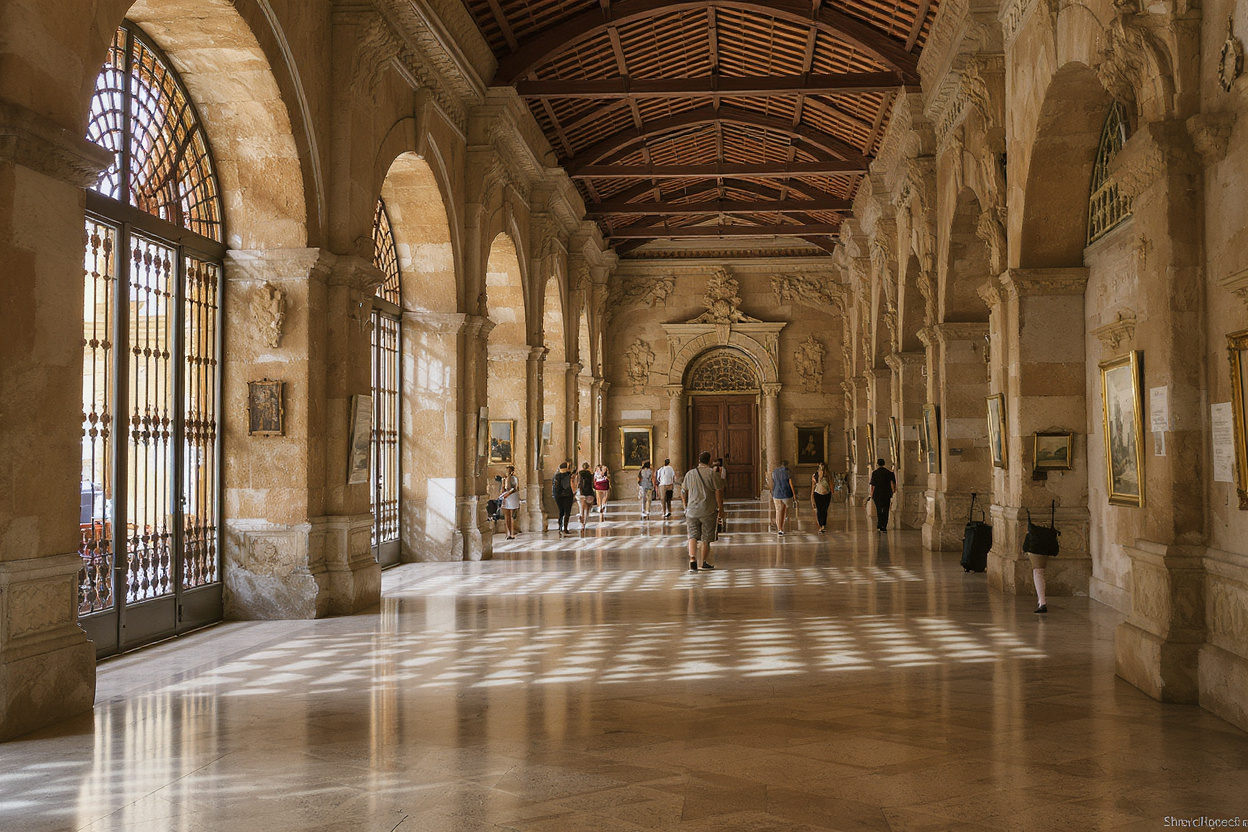
If VEA systems are the early warning network, fire curtains are the elegant bouncers of heritage fire protection. These advanced systems offer the ideal containment solution for heritage buildings, providing effective fire separation whilst remaining completely invisible during normal operations, like having a superhero that only appears when needed.
Modern fire curtains retract completely into ceiling-mounted housings barely larger than standard light fixtures. When deployed, these barriers create effective fire compartments that prevent flame and smoke spread whilst allowing safe evacuation. Additionally, the fabric construction adapts to irregular openings common in heritage buildings, providing superior coverage compared to rigid fire doors that often look about as subtle as a concrete block in a ballroom.
The deployment mechanism operates silently and smoothly, minimising disruption during emergencies. Furthermore, monthly testing occurs automatically during off-hours, ensuring system reliability without affecting daily operations or visitor experiences.
Fire and smoke curtains offer a modern solution that preserves cultural heritage while ensuring the safety of visitors and staff. Fire curtain installation requires minimal structural modifications, typically involving only discrete mounting points in existing openings. Professional installers work closely with heritage consultants to ensure installation methods comply with conservation principles and heritage approval processes, because nobody wants to explain to Heritage Western Cape why they’ve drilled unnecessary holes in a national monument.
The flexible fabric design accommodates historical irregularities, including uneven floors, curved archways, and decorative mouldings. Moreover, custom fabric colours and textures can blend seamlessly with existing interior finishes when complete invisibility isn’t achievable.
Fire curtains satisfy building code requirements for fire separation whilst maintaining heritage approval status. These systems provide certified fire ratings up to 4 hours, meeting the most stringent regulatory standards. Additionally, automatic deployment ensures reliable performance even during unattended periods, crucial for heritage properties with limited overnight supervision.
For those ready to embrace the cutting edge of heritage protection, autonomous fire protection systems are highly sophisticated solutions designed to detect fires early and suppress them without human intervention. These premium systems eliminate human response delays whilst providing precisely controlled suppression designed to minimise collateral damage to irreplaceable heritage elements.
Advanced autonomous systems integrate multiple detection technologies, including air sampling, thermal imaging, and gas analysis. This multi-sensor approach provides unparalleled accuracy in fire identification whilst virtually eliminating false activations that could damage sensitive artefacts or finishes.
The systems continuously analyse environmental conditions, learning normal patterns and identifying anomalies that indicate potential fire conditions. Subsequently, machine learning algorithms improve detection accuracy over time, adapting to seasonal variations and operational changes.
Upon confirmed fire detection, autonomous systems deploy suppression agents precisely targeted to the fire location. Water mist, clean agent, or inert gas suppression activates only in affected areas, protecting uninvolved spaces from unnecessary exposure to suppression media.
| Feature | Traditional Systems | Autonomous Systems |
|---|---|---|
| Detection Time | 5-15 minutes | 30 seconds – 2 minutes |
| Response Delay | 5-20 minutes | Immediate |
| Suppression Precision | Room-wide | Targeted zones |
| False Activation Risk | Moderate | Minimal |
| Maintenance Requirements | Monthly manual testing | Continuous self-monitoring |
Autonomous fire suppression particularly benefits high-value heritage properties where response time critically impacts preservation outcomes. These systems excel in protecting archives, libraries, art collections, and historically significant interiors where traditional suppression methods could cause extensive collateral damage—think of it as precision surgery versus carpet bombing.
Heritage buildings present unique challenges for egress protection, as historical corridors and stairwells often lack the width, configuration, and fire separation required by modern codes. However, innovative protection strategies can enhance safety whilst preserving architectural integrity through careful system selection and installation techniques.
Heritage corridors require protection strategies that account for their role as both evacuation routes and architectural features. Linear heat detection systems installed within decorative mouldings provide continuous monitoring without visual intrusion. Additionally, strategically positioned fire curtains can compartmentalise long corridors during emergencies whilst remaining invisible during normal operations.
Pressurisation systems maintain smoke-free conditions in critical egress routes, utilising existing ventilation shafts and stairwell configurations. These systems integrate with building automation to ensure optimal performance during various occupancy conditions.
Historical stairwells benefit from integrated detection and suppression systems designed for vertical fire spread prevention. Smoke detection at each level triggers protective measures including stairwell pressurisation and fire curtain deployment at critical points.
Case Study Highlight: The Stellenbosch Town Hall renovation successfully integrated discrete stairwell protection that maintains the building’s national monument status whilst meeting current fire safety standards. The solution combines VEA detection with targeted water mist suppression, providing comprehensive protection without altering the historic ironwork or decorative plaster. This project demonstrates how heritage building restoration can incorporate modern safety standards seamlessly.
Modern egress protection systems accommodate heritage design constraints whilst ensuring code compliance. Smart door release systems integrate with existing hardware, maintaining authentic appearances whilst providing reliable emergency egress. Furthermore, emergency lighting systems utilise period-appropriate fixtures with modern LED technology, preserving aesthetic continuity.
Real-world implementations demonstrate how sophisticated fire protection systems successfully protect heritage properties whilst maintaining their cultural significance and operational requirements. These success stories prove that having your heritage cake and eating it safely is entirely possible.
The Iziko Castle of Good Hope implemented a comprehensive VEA system that protects priceless military artefacts and historical displays whilst remaining completely invisible to visitors. The installation utilised existing stone wall cavities and ceiling spaces, avoiding any modifications to 17th-century architecture.
Key results include:
A restored Cape Georgian mansion in Constantia successfully integrated autonomous fire suppression throughout reception areas and private quarters. The system protects valuable antiques and period furnishings whilst maintaining the home’s status as a provincial heritage site. This heritage building restoration project showcased how conservation-focused construction can embrace modern safety technology.
Implementation achievements:
The Stellenbosch Village Museum deployed fire curtains throughout its historical building complex, creating effective fire compartments without compromising visitor flow or exhibition aesthetics. The system protects irreplaceable cultural artefacts whilst meeting stringent museum fire safety standards.
Measurable outcomes include:
Let’s address the elephant in the room—sophisticated heritage fire protection systems require substantial initial investment. However, understanding the financial implications requires evaluating both immediate costs and long-term value preservation benefits, because protecting irreplaceable heritage elements often justifies premium system selection.
| System Type | Initial Cost Range | Annual Maintenance | Protection Value |
|---|---|---|---|
| VEA Detection | R150,000 – R400,000 | R15,000 – R25,000 | Very High |
| Fire Curtains | R80,000 – R200,000 | R8,000 – R15,000 | High |
| Autonomous Suppression | R500,000 – R1,200,000 | R50,000 – R80,000 | Exceptional |
Investment analysis must consider the irreplaceable nature of heritage elements, where restoration costs often exceed original system investments by factors of ten or more. Business interruption costs for commercial heritage properties can justify system investments through reduced closure risks.
Comprehensive fire protection systems typically reduce heritage property insurance premiums by 20-40%. Enhanced protection often qualifies properties for specialised heritage insurance products with broader coverage terms and higher compensation limits.
Insurance benefits extend beyond premium reductions to include faster claim processing, reduced excess payments, and coverage for business interruption. Furthermore, demonstrable fire protection commitment often influences underwriter decisions regarding coverage availability and terms.
The primary return on investment comes from preserving irreplaceable heritage value that standard insurance cannot adequately cover. Cultural significance, architectural integrity, and historical authenticity represent value components that sophisticated fire protection systems specifically target for preservation. This makes heritage-grade materials and conservation-focused construction practices essential investments.
South African heritage properties must navigate complex regulatory requirements that balance fire safety mandates with heritage preservation obligations. Understanding these requirements ensures successful system implementation whilst maintaining heritage status and approvals—because nobody wants to discover they’ve invalidated their heritage listing after installation.
SANS 10400 Part T provides the foundational fire safety requirements for all South African buildings, including heritage properties. However, heritage buildings may qualify for alternative compliance pathways that achieve equivalent safety levels through innovative approaches.
Key SANS requirements include:
Heritage Western Cape maintains strict oversight of modifications to provincial heritage resources. Fire safety installations require formal Heritage Impact Assessment (HIA) and approval processes that evaluate both safety benefits and heritage impacts.
The approval process typically involves:
Local municipalities enforce both heritage protection and fire safety regulations, requiring coordination between heritage and building control departments. Fire safety system installations must satisfy both building code compliance and heritage preservation requirements simultaneously.
Municipal considerations include building plan approvals, occupancy certificate modifications, and ongoing compliance monitoring. Additionally, some municipalities maintain heritage advisory panels that review proposed fire safety modifications for appropriateness and sensitivity.
Successful heritage fire protection implementation requires careful planning that addresses technical requirements, heritage constraints, and operational needs. Professional assessment and systematic project management ensure optimal outcomes whilst minimising disruption to building operations and heritage integrity.
Comprehensive fire risk assessment forms the foundation of effective heritage fire protection planning. Professional assessments evaluate fire loading, ignition sources, occupancy patterns, and evacuation capabilities whilst considering heritage-specific vulnerabilities and protection priorities.
Assessment components include structural fire resistance evaluation, occupancy analysis, suppression system feasibility studies, and cost-benefit analysis for various protection approaches. Subsequently, these assessments inform system selection and design decisions that optimise protection effectiveness within heritage constraints.
Heritage fire protection system design must accommodate architectural irregularities, preservation requirements, and operational constraints unique to historic buildings. Design professionals coordinate with heritage consultants, structural engineers, and conservation specialists to develop integrated solutions.
Critical design factors include existing building services integration, heritage approval compliance, phased installation scheduling, and ongoing maintenance accessibility. Moreover, system redundancy ensures continued protection during maintenance periods or component failures.
Heritage fire protection installations typically require extended timelines due to heritage approval processes, specialised equipment procurement, and careful installation techniques. Project scheduling coordinates with heritage consultants, building occupants, and regulatory authorities to minimise disruptions.
Installation phases generally include heritage approvals, system procurement, staged installation with minimal disruption approaches, comprehensive testing and commissioning, and staff training for ongoing system management. This methodical approach preserves historical authenticity preservation throughout the implementation process.
Don’t leave your heritage property vulnerable to fire damage. Our specialist team at JDV Construction understands the unique challenges of protecting historic interiors whilst maintaining their architectural integrity. Schedule your comprehensive heritage fire safety assessment today and discover how discreet fire protection can safeguard your property’s irreplaceable value for future generations.
Heritage properties represent irreplaceable links to our cultural past, making their protection a responsibility that extends far beyond immediate commercial considerations. Modern discreet fire protection technologies enable heritage property owners to fulfil both safety obligations and preservation responsibilities without compromise—finally, we can have our heritage and protect it too.
The sophisticated systems explored in this guide demonstrate how advanced fire protection can enhance heritage property value whilst providing superior safety outcomes. Early detection and suppression capabilities specifically address the unique vulnerabilities that make heritage buildings particularly susceptible to catastrophic fire damage.
Investment in discreet fire protection represents a commitment to preserving South Africa’s architectural heritage for future generations. Heritage property owners and facility managers must act decisively to implement appropriate protection measures before irreplaceable losses occur—because once it’s gone, it’s gone forever.
How do active air sampling systems remain hidden in heritage buildings?
Will fire curtains damage the historic character of my building?
What are the insurance benefits of installing discreet fire protection?
How long does installation take for heritage fire protection systems?
~ JDV Construction