Reach out to us
Send us an enquiry
Take the first step – Send us an enquiry about your exciting new construction project today!
(021) 863 4891
(072) 520 6903
info@jdv-construction.co.za
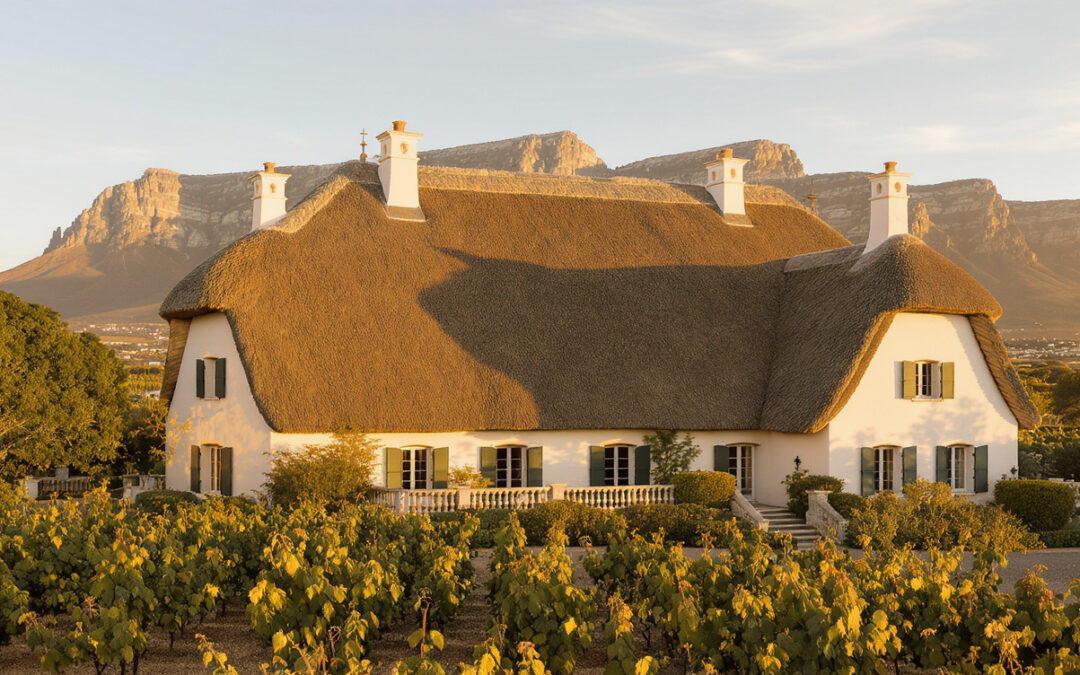
Heritage roofing refers to traditional roofing systems that preserve historical architectural styles whilst maintaining the structural integrity of period buildings. These specialised heritage roofing methods combine time-tested materials like thatch and slate with contemporary preservation techniques to protect buildings that hold significant cultural and historical value. Moreover, heritage roofing requires both deep historical knowledge and modern technical expertise, making it a highly specialised field within construction.
Architectural preservation through heritage renovation services plays a crucial role in maintaining our built heritage for future generations. These traditional roofing systems ensure that historical buildings retain their authentic appearance whilst meeting current safety and performance standards. Furthermore, heritage roofing specialists act as guardians of architectural history, preserving construction techniques that span centuries of human craftsmanship.
Traditional roofing materials have remarkable origins dating back to the Neolithic era. Archaeological evidence shows that thatching began over 10,000 years ago when early civilisations discovered that layered plant materials could create effective water-resistant coverings. Similarly, slate quarrying emerged in ancient Wales around the 1st century AD, gradually spreading across Europe as trade routes expanded.
Different regions developed unique heritage building techniques based on locally available materials. In South Africa, Cape Dutch restoration showcases distinctive thatched roofs adapted to local reed varieties and Mediterranean climate conditions. Meanwhile, Welsh slate became the gold standard across the British Empire, whilst German and Scandinavian regions perfected their own slate extraction and installation methods.
The roofing history timeline reveals fascinating adaptations through various periods:
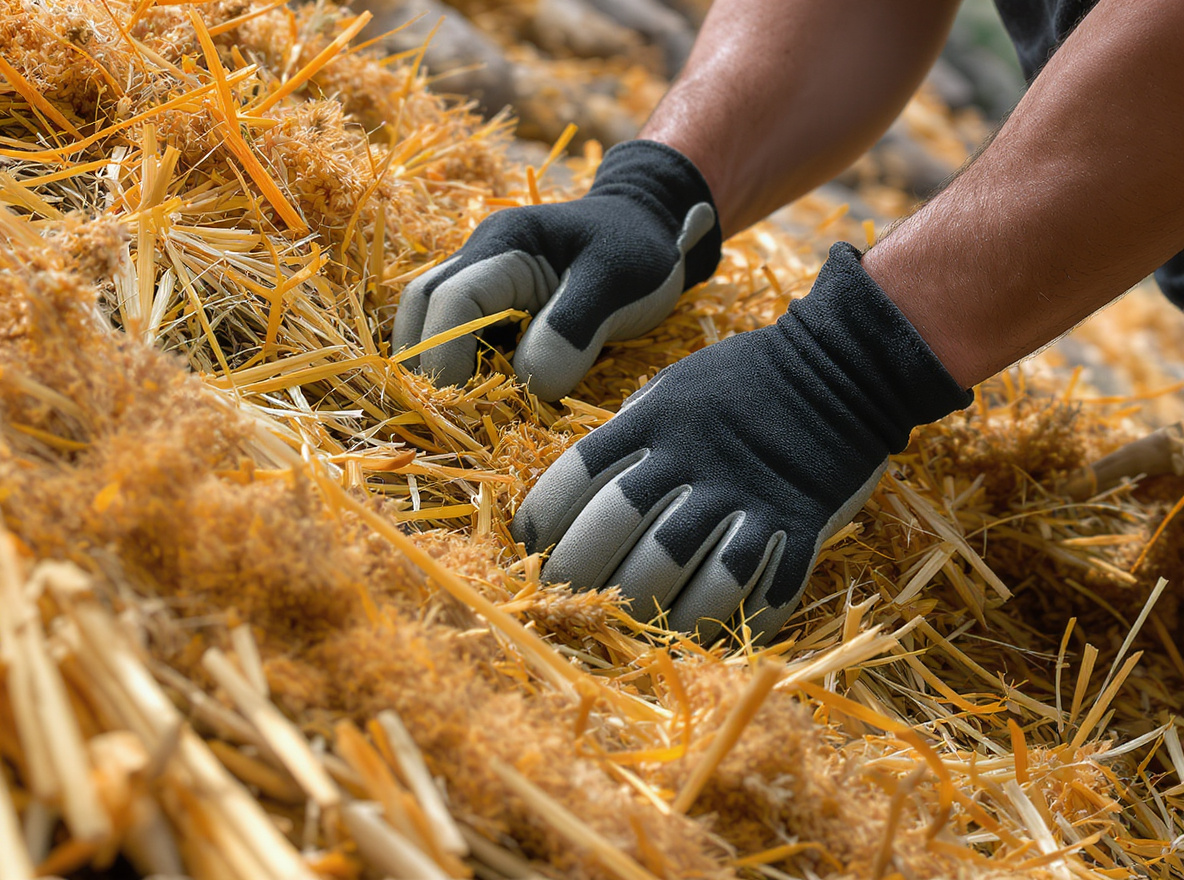
Natural roofing materials for thatching include wheat straw, water reed, combed wheat reed, and sedge, each offering distinct properties and applications. Water reed provides the longest lifespan, typically lasting 50-80 years, whilst wheat straw offers excellent insulation properties but requires replacement every 25-35 years. Norfolk reed remains highly prized for its durability and weather resistance.
| Material | Lifespan | Insulation | Cost | Best Climate |
|---|---|---|---|---|
| Water Reed | 50-80 years | Excellent | High | Temperate |
| Wheat Straw | 25-35 years | Superior | Moderate | Dry regions |
| Combed Wheat | 30-40 years | Good | Moderate | Variable |
| Sedge | 15-25 years | Fair | Low | Coastal |
Traditional thatching requires master craftsmanship passed down through generations. The process begins with laying bundles of material in overlapping layers, secured with wooden spars or metal ties. Skilled thatchers work from bottom to top, creating proper water shedding angles whilst maintaining consistent thickness throughout the roof structure. In addition, careful attention to eaves, ridges, and fixing methods helps ensure long-term performance.
Thatch roofing demonstrates remarkable performance characteristics when properly installed. The natural materials create excellent thermal insulation, keeping buildings cool in summer and warm in winter. Additionally, properly maintained thatch systems effectively shed rainwater whilst allowing the roof structure to breathe and prevent moisture buildup. Therefore, many heritage buildings still rely on thatch as a reliable and sustainable solution.
Contemporary applications of traditional thatching incorporate fire-resistant treatments and improved ventilation systems. Modern building regulations now require spark arrestors and fire barriers, whilst maintaining the authentic appearance that makes thatch roofing so desirable for heritage properties. In many cases, subtle modern membranes and flashing details are also introduced to improve weather tightness without changing the visual character.
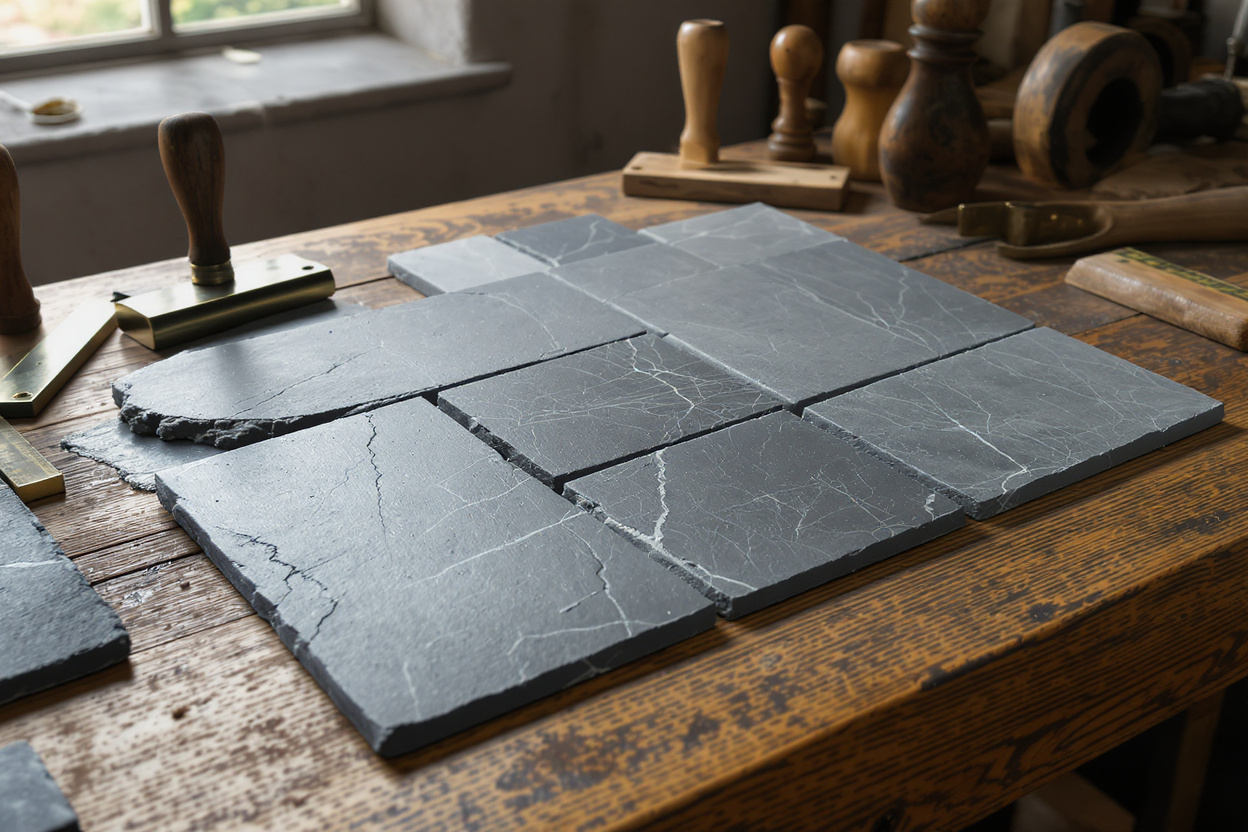
Heritage slate comes from specific geological formations that produce stone with ideal properties for roofing applications. Welsh slate, quarried from Snowdonia, remains the premium choice due to its fine grain structure and minimal water absorption. Other notable sources include Cornish slate, Scottish Highland varieties, and select North American quarries. Because of this wide range, heritage roofing specialists can match replacement slate closely to existing roofs.
Natural slate installation demands precise craftsmanship and specialised knowledge. Each slate must be carefully graded for thickness, size, and quality before installation. The traditional double-lap method ensures maximum weather protection, whilst proper nail placement prevents cracking and wind uplift. Master slaters understand how to work with the natural variation in each piece of stone and coordinate slate courses around details such as chimneys and roof windows.
Quality heritage slate delivers exceptional longevity, often lasting 100-200 years with proper maintenance. This remarkable lifespan makes slate roofing an excellent long-term investment for heritage properties. Welsh slate, in particular, demonstrates superior weather resistance and maintains its appearance over decades of exposure to harsh conditions. Consequently, many owners view slate as a once-in-a-lifetime roofing decision.
Selecting appropriate slate requires understanding geological characteristics and quarry histories. Premium quarries produce consistently high-quality stone with minimal defects, whilst secondary sources may offer cost savings for specific applications. Experienced heritage roofing specialists understand these nuances and can recommend appropriate materials for each project. They also assess existing roofs so that replacement slate aligns visually and structurally with the original installation.
Thatch vs slate performance varies significantly based on local climate conditions. Thatch excels in moderate climates with regular rainfall but struggles in areas with extreme temperature fluctuations or heavy snow loads. Conversely, slate performs exceptionally in harsh weather conditions but may crack under extreme freeze-thaw cycles without proper installation and suitable fixing methods.
| Factor | Thatch | Slate |
|---|---|---|
| Wind Resistance | Good (with proper fixing) | Excellent |
| Fire Resistance | Poor (requires treatment) | Excellent |
| Insulation Value | Superior | Moderate |
| Lifespan | 25-80 years | 100-200 years |
| Maintenance | Annual inspection | Minimal |
Heritage roofing comparison shows significant differences in initial costs and long-term value. Whilst slate requires higher upfront investment, its exceptional longevity often makes it more economical over building lifespans. Thatch presents lower initial costs but requires more frequent maintenance and eventual replacement. Therefore, owners should factor in both capital and lifecycle costs before choosing a system.
Traditional roof materials demand different maintenance approaches. Traditional roof materials such as thatch require annual inspections, periodic re-ridging, and eventual complete replacement. Slate systems need occasional individual tile replacement and gutter maintenance but generally require minimal intervention when properly installed. As a result, maintenance planning becomes a key part of any heritage roofing project.
Both materials contribute uniquely to architectural character and cultural identity. Thatch creates quintessentially rural charm and connects buildings to agricultural traditions. Slate provides elegant sophistication and urban architectural dignity, particularly in Victorian and Georgian contexts. In many heritage areas, planning rules strongly encourage or require thatch or slate to preserve these cultural landscapes.
Heritage roofing installation requires highly specialised skills combining traditional craftsmanship with modern building science. Our team understands that qualified professionals must know historical techniques whilst implementing contemporary safety standards and building code compliance. This dual expertise ensures authentic restoration whilst meeting current performance requirements. In addition, specialist training helps craftsmen work safely at height and around fragile historic structures.
Traditional roofing skills require both historical and modern tools:
These tools support accurate detailing, reliable flashing, and robust fixing methods that respect the original building fabric.
South African building standards (SANS) require heritage roofing work to meet contemporary safety and performance criteria whilst preserving historical authenticity. Roofing craftsmanship must demonstrate compliance with structural requirements, fire safety standards, and weatherproofing specifications. Therefore, working with experienced heritage roofing specialists helps ensure that all statutory obligations and conservation principles are met.
Heritage roof maintenance requires systematic inspection schedules tailored to each material type. Annual assessments should identify potential issues before they compromise structural integrity or historical authenticity. Professional inspectors understand the subtle signs of deterioration that untrained observers might miss. Consequently, regular checks often prevent small defects from growing into major failures.
Traditional roof care addresses specific challenges including:
Targeted repairs, sensitive flashing upgrades, and careful cleaning routines all help extend the life of heritage roofing without harming its character.
Roofing preservation requires expert evaluation to balance historical accuracy with modern performance requirements. Qualified assessors can determine appropriate intervention levels whilst maintaining heritage value and ensuring long-term structural integrity. In many cases, a detailed condition report informs phased repair programmes that respect both budget and conservation priorities.
Heritage roofing specialists serve as guardians of our architectural legacy, protecting buildings that represent centuries of human creativity and craftsmanship. Their expertise ensures that traditional structures continue telling their stories for future generations whilst meeting contemporary safety and performance standards. By choosing the right heritage roofing system, owners actively support wider architectural preservation efforts.
Selecting between thatch and slate means weighing climate, budget, maintenance, and cultural context. When property owners understand how each heritage roofing option performs, they can make decisions that respect history and deliver reliable protection. For most projects, early engagement with experienced heritage roofing specialists provides the best path to a durable, compliant, and visually authentic result.
~JDV Construction