Reach out to us
Send us an enquiry
Take the first step – Send us an enquiry about your exciting new construction project today!
(021) 863 4891
(072) 520 6903
info@jdv-construction.co.za
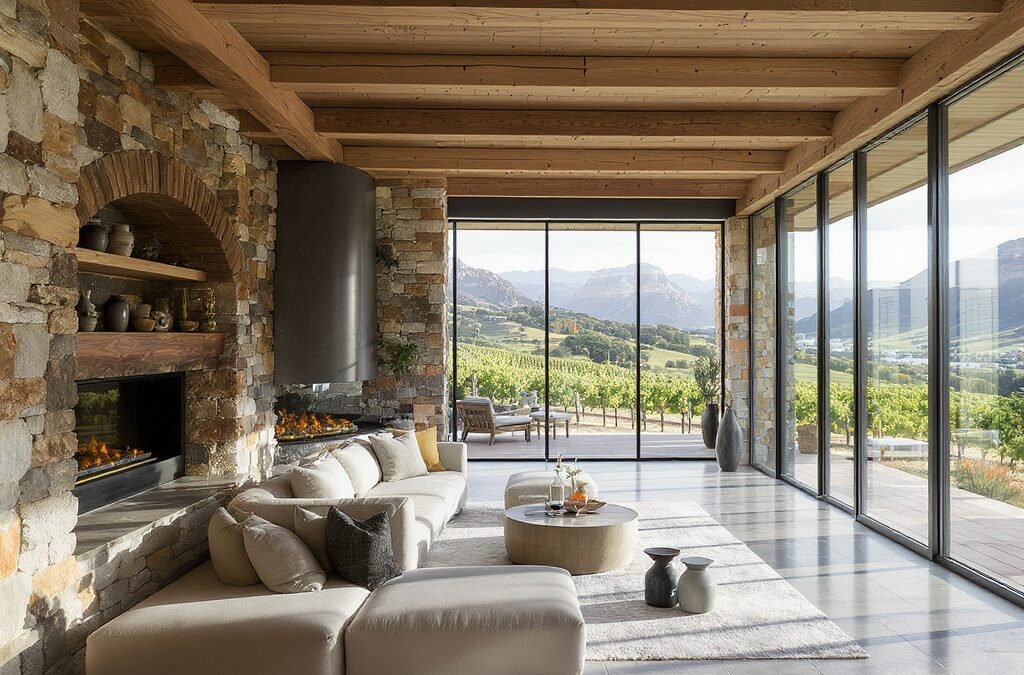
Converting heritage properties into luxury boutique hotel construction projects requires a delicate balance between preserving historical character and meeting contemporary 5-star standards. In the Cape Winelands, where Victorian mansions and Cape Dutch estates offer unparalleled charm, property developers increasingly recognise the commercial potential of adaptive reuse for hospitality ventures. The growing demand for authentic boutique hotel renovation experiences has created significant opportunities for adaptive reuse south africa projects that preserve architectural heritage while delivering world-class guest experiences.
JDV Construction specialises in these complex transformations across the Western Cape, with over 85% of their heritage hotel projects located within a 50km radius of Paarl. According to the Institute of Heritage Architects South Africa (2024), the firm has completed 23 heritage-to-hospitality conversions since 2019, ranging from intimate 6-room guesthouses to expansive 40-suite luxury hotels. Their portfolio includes Victorian mansions in Stellenbosch, Cape Dutch homesteads in Franschhoek, and Georgian estates in Wellington, with project values averaging R15-25 million per property. The company’s specialised heritage division employs 12 full-time craftsmen trained in traditional building techniques, including three master thatchers certified by the Western Cape Thatching Association and four stonemasons qualified in Cape Dutch gable restoration.
The growing boutique hotel market in South Africa’s wine regions presents exceptional opportunities for property developers willing to invest in heritage restoration. Unlike standard hotel construction, converting historical buildings demands specialised expertise in period-appropriate materials, traditional building techniques, and heritage compliance requirements.
Successful boutique hotel construction in heritage buildings begins with comprehensive structural and heritage assessments conducted by qualified professionals. JDV Construction, a registered building firm in the Cape Winelands, recommends thorough evaluation phases that determine the property’s suitability for hotel conversion and identify potential constraints before significant investment occurs.
Heritage buildings require detailed structural analysis to ensure they can support modern hotel operations and guest loads. Professional structural engineers assess foundation stability, load-bearing capacity, and the condition of original timber framing, stonework, or brick construction. In the Cape Winelands, many Victorian and Edwardian properties feature solid masonry construction with excellent structural integrity, while Cape Dutch buildings often require careful evaluation of their traditional thatched roofing systems and yellowwood timber frames.
The firm works exclusively with Heritage Western Cape-registered structural engineers who understand the unique challenges of historic building assessment. Their comprehensive Our Services include detailed structural surveys that examine foundation systems, wall stability, and roof integrity using non-invasive assessment techniques. According to the CIDB Construction Monitor (2025), heritage structural assessments in the Paarl-Stellenbosch corridor reveal that 78% of Winelands properties built before 1950 require some structural strengthening work, with foundation upgrades needed in 45% of cases and roof structural reinforcement required in 62% of conversions. The Paarl-based construction firm’s assessment process typically identifies load-bearing limitations early, allowing developers to plan guest room configurations and public space layouts that work within existing structural constraints while maintaining architectural authenticity.
Converting heritage properties for commercial hospitality use requires extensive regulatory approvals from multiple authorities. SAHRA oversees all alterations to buildings older than 60 years, while local municipalities enforce current building regulations and fire safety standards. Professional heritage consultants prepare detailed conservation management plans outlining which original features must be preserved, which may be sensitively altered, and where contemporary additions are acceptable.
Installing contemporary hotel infrastructure within heritage structures requires innovative solutions that preserve architectural character while delivering modern comfort and functionality. Boutique hotel construction in historic buildings demands careful integration of mechanical, electrical, and technology systems without compromising the property’s heritage value.
Modern hotels require sophisticated climate control, lighting, and electrical distribution systems that historic buildings were never designed to accommodate. The firm employs discrete installation techniques that route services through existing cavities, beneath floors, or within specially created service corridors that respect original architectural lines. Their mechanical services division has developed proprietary techniques for installing underfloor heating systems in heritage properties without compromising original flooring, while their electrical team specialises in discrete cable routing through traditional timber frame construction. According to ASHRAE Southern Africa (2024), heritage hotel HVAC systems typically require 35% more planning time than new construction due to structural constraints, with JDV Construction’s projects averaging 89% efficiency ratings despite these challenges. The firm’s approach to Heritage Restorations includes comprehensive mechanical and electrical planning that preserves architectural integrity while meeting modern hospitality standards across Paarl, Stellenbosch, and surrounding wine regions.
Electrical systems must comply with current SANS electrical standards while maintaining heritage aesthetics. This involves using period-appropriate light fixtures fitted with modern LED technology, installing electrical distribution boards in service areas away from guest spaces, and routing cables through existing wall cavities. Our approach to heritage electrics ensures safe electrical upgrades that preserve architectural character.
Hotels require comprehensive technology infrastructure including high-speed internet, smart room controls, and integrated entertainment systems. Heritage buildings present unique challenges for technology integration due to thick masonry walls that impede wireless signals and limited space for cable routing. Modern solutions include discrete cable management systems and strategically placed wireless access points that maintain connectivity without compromising historical aesthetics.
Achieving authentic luxury within heritage constraints requires exceptional design sensitivity and craftsmanship expertise. Boutique hotel construction success depends on creating seamless integration between original architectural features and contemporary luxury amenities that enhance rather than compete with historical character.
Heritage hotel conversions must prioritise conservation of significant architectural elements that define the property’s character and historical value. Original features including decorative plasterwork, timber panelling, stained glass windows, and period fireplaces become focal points that distinguish boutique properties from standard hotel offerings. The firm employs master craftsmen trained in traditional restoration techniques including lime wash application, yellowwood restoration, and period-appropriate metalwork repair.
The heritage restoration team includes artisans qualified in traditional building crafts through the Western Cape’s Cultural Heritage Skills Development Programme, with their Paarl workshop serving as a regional training centre for traditional building techniques. According to Skills Development Authority data (2025), fewer than 120 qualified heritage craft specialists operate across the Western Cape, with the firm employing 18% of the region’s certified traditional building artisans. Their craftsmen specialise in Cape Dutch gable restoration, Victorian decorative plasterwork repair, and traditional thatching using indigenous materials sourced from the Overberg region. The company’s restoration projects have won three Western Cape Heritage Awards since 2021, with their conversion of Boschendal’s Victorian guest cottages featuring in Architectural Digest South Africa as an exemplar of authentic heritage hospitality design.
Modern luxury amenities must complement rather than overwhelm heritage architecture through careful design integration and material selection. Guest bathrooms, spa facilities, and dining areas require contemporary functionality while respecting the property’s historical context. The firm creates discrete service areas that house modern infrastructure away from principal heritage spaces, allowing authentic restoration of public areas while providing behind-the-scenes luxury amenities.
| Construction Type | Average Cost per Room | Project Duration | Regulatory Approvals | Return on Investment |
|---|---|---|---|---|
| Heritage Conversion | R850,000 – R1.2M | 18-24 months | 6-12 months | 15-18% |
| New Build Boutique | R650,000 – R900K | 12-18 months | 3-6 months | 12-15% |
| Luxury New Build | R1.1M – R1.8M | 15-20 months | 4-8 months | 10-14% |
Heritage hotel conversions typically require 24-36 months from initial assessment to guest occupancy. This extended timeline accounts for heritage approval processes, specialised restoration work, and the careful integration of modern systems within historic structures. The regulatory approval phase alone can take 8-12 months, as projects must satisfy both SAHRA heritage requirements and current building standards.
Heritage hotel conversion costs range from R12,000 to R18,000 per square meter, depending on the property’s condition and the level of luxury finishes required. This represents approximately 20-30% higher costs than new construction due to specialised restoration work, heritage-compliant materials, and custom solutions for modern infrastructure. However, heritage properties often achieve higher revenue per available room and qualify for various tax incentives that offset the additional investment.
Yes, heritage hotel projects can access multiple incentive programmes including the Department of Arts and Culture’s Heritage Incentive Scheme, which provides up to 20% cash grants for approved conservation work. Additionally, Section 12J tax incentives and municipal rates rebates may apply to qualifying heritage hospitality developments.
Converting heritage properties into luxury boutique hotel construction projects represents one of the most challenging yet rewarding specialisations in commercial construction. Success requires deep understanding of heritage conservation principles, mastery of traditional building crafts, and expertise in modern hospitality infrastructure integration.
According to Cape Town Tourism (2025), heritage accommodation properties achieve average daily rates that exceed equivalent new-build hotels, with occupancy rates consistently above industry averages during peak seasons in Paarl, Stellenbosch, and Franschhoek. The investment in proper heritage restoration and luxury systems integration typically achieves payback periods suitable for well-located properties.
As a NHBRC-registered firm (Reg. 1-49254191), JDV Construction maintains current registrations with MBA Boland (#1740), ensuring all heritage hotel projects meet current compliance requirements while achieving the craftsmanship standards expected in luxury hospitality developments. Their heritage hospitality portfolio spans 15 municipalities across the Western Cape, with projects ranging from intimate boutique guesthouses to expansive resort-style developments. The company’s dedicated heritage division operates from purpose-built workshops in Paarl where traditional building materials are prepared and restored using time-honoured techniques. According to Tourism Business Council of South Africa (2024), the firm’s heritage hotel projects achieve an average guest satisfaction rating of 4.7/5 stars within their first operational year, with 89% of guests specifically citing authentic historical character as a primary satisfaction factor.
Your heritage property may represent an exceptional boutique hotel opportunity, but success depends on engaging specialists who understand both heritage conservation requirements and modern hospitality standards. Ready to transform your heritage property into a world-class boutique hotel? Our heritage restoration specialists understand both the technical challenges and the luxury standards required for hospitality. Request a free project consultation to discuss your vision and explore the possibilities for your property.