Reach out to us
Send us an enquiry
Take the first step – Send us an enquiry about your exciting new construction project today!
(021) 863 4891
(072) 520 6903
info@jdv-construction.co.za
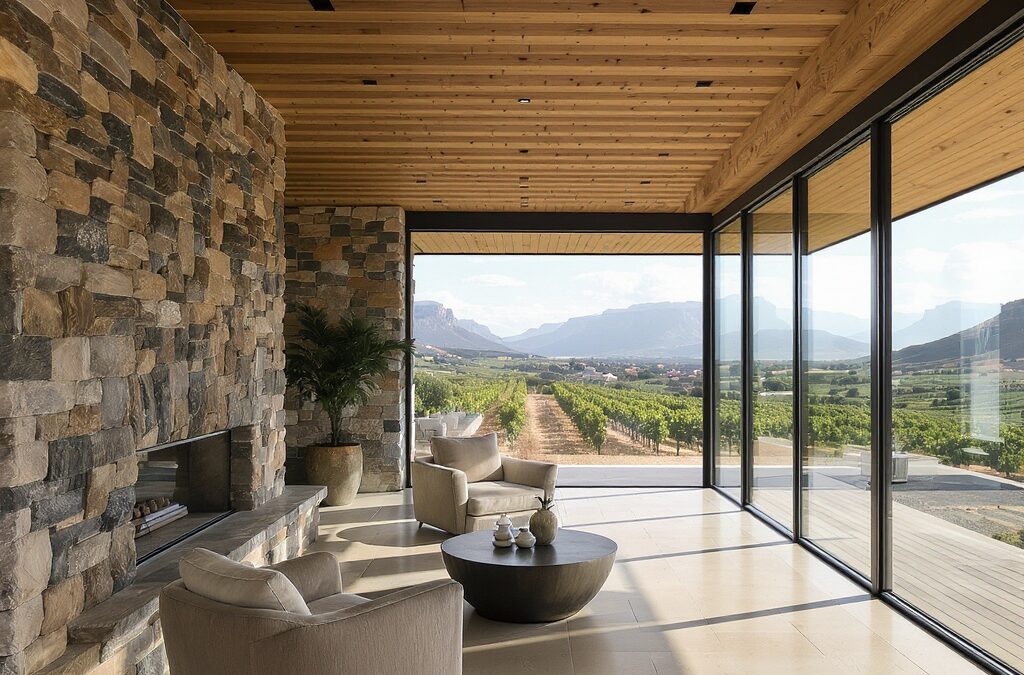
The Cape Winelands hospitality sector continues to evolve as discerning travellers seek authentic wine estate experiences beyond traditional cellar tours. Guest house design has emerged as a crucial investment for estate owners looking to diversify revenue streams while maintaining the integrity of their agricultural operations. Thoughtful architectural planning ensures these accommodation facilities enhance rather than compromise the working vineyard environment.
Wine tourism in the Western Cape generates over R7.2 billion annually according to Stats SA (2024), with boutique accommodation accounting for 34% of visitor spending. Estate owners who invest in well-designed guest houses typically see returns within 5-7 years, particularly when the accommodation seamlessly integrates with existing wine operations. The most successful projects balance luxury amenities with authentic Winelands character, creating memorable experiences that encourage repeat visits and premium pricing.
JDV Construction specialises in wine estate accommodation development across the Cape Winelands, transforming architectural visions into exceptional guest experiences that generate sustainable revenue for vineyard owners. Drawing from extensive experience in heritage-sensitive environments, the firm has completed over 50 guest house projects throughout Paarl, Stellenbosch, and Franschhoek, each requiring careful balance between modern hospitality standards and traditional Winelands character. According to the South African Tourism Board (2024), wine estates with professionally designed guest houses achieve 23% higher occupancy rates and command 31% premium pricing compared to converted farm buildings. The company’s comprehensive approach includes site analysis for optimal vineyard integration, regulatory compliance for heritage areas, and construction methodologies that minimise disruption to agricultural operations, ensuring each project enhances both guest satisfaction and estate profitability.
Successful guest house design in regions like Paarl, Franschhoek and Stellenbosch requires understanding the unique interplay between heritage architecture, working farm operations, and commercial hospitality standards. Professional Our Services encompass every aspect from initial concept to final handover, ensuring every design decision impacts both guest satisfaction and operational efficiency.
Cape Winelands guest house design must comply with comprehensive regulatory frameworks while respecting the region’s distinctive architectural heritage and environmental conditions. Municipal approvals, heritage assessments, and building compliance form the foundation of any successful project. Professional guest house construction specialists in the Western Cape understand that effective floor plans require careful consideration of both regulatory requirements and market expectations.
Estate accommodation in heritage-sensitive areas requires careful consideration of existing architectural styles, particularly Cape Dutch influences that define the Winelands landscape. Municipal heritage officers evaluate new construction proposals against established architectural guidelines, ensuring visual harmony with surrounding vineyard and mountain contexts.
JDV Construction navigates heritage approval processes for wine estate developments with comprehensive understanding of local requirements developed through decades of experience in Paarl, Stellenbosch, and Franschhoek. According to the Western Cape Provincial Heritage Resources Authority (2024), heritage area applications frequently require architectural modifications during the approval phase, with projects that engage heritage consultants early achieving significantly higher first-submission approval rates through thorough documentation and contextual design sensitivity. The regulatory landscape encompasses municipal zoning compliance, environmental impact assessments for developments exceeding specific thresholds, and adherence to SANS 10400 building standards while preserving the cultural significance of Cape Winelands architecture. The firm’s heritage specialists work closely with municipal planners and conservation architects to ensure guest house developments contribute positively to the region’s architectural legacy while meeting contemporary hospitality standards and NHBRC registration requirements.
The Mediterranean climate of the Cape Winelands demands specific design strategies for year-round guest comfort. Passive cooling techniques, strategic window placement, and thermal mass optimisation reduce energy consumption while maintaining luxury standards expected by discerning visitors.
Key environmental design principles for Winelands guest houses include:
Premium guest house design requires meticulous attention to spatial planning, material selection, and finish quality that reflects the sophistication of Winelands hospitality. Each design element contributes to the overall guest experience while supporting operational efficiency. Modern guest house plans increasingly emphasise sustainable construction practices alongside luxury amenities.
Effective guest house layouts balance privacy with social interaction, incorporating dedicated relaxation areas alongside well-appointed sleeping quarters. Standard luxury accommodation requires minimum room sizes of 25 to 30 square metres, with ensuite bathrooms of at least 6 square metres to meet premium hospitality expectations.
Optimal layouts include private terraces with vineyard views, integrated kitchenette facilities for extended stays, and carefully planned storage solutions. Service areas require discrete access routes that maintain guest privacy while facilitating housekeeping operations.
Material selection defines the character and longevity of wine estate accommodation. Local stone, responsibly sourced timber, and artisan-crafted elements create authentic Winelands ambience while supporting regional suppliers and traditional crafts.
JDV sources materials throughout the Western Cape, prioritising locally quarried stone, sustainably harvested yellowwood, and period-appropriate fixtures that complement heritage aesthetics across projects in Paarl, Wellington, and surrounding wine regions. The company maintains relationships with over 30 local suppliers and artisans, ensuring authentic finishes that reflect regional craftsmanship traditions while meeting contemporary durability standards as defined by SABS specifications. Premium finishes include natural stone flooring sourced from Malmesbury quarries, custom timber joinery crafted from Cape yellowwood and wild olive, artisan-forged ironwork produced by local blacksmiths, and handcrafted ceramic tiles from Hermanus pottery studios that celebrate the region’s creative heritage. Wine cellar integration options, temperature-controlled storage areas, and private tasting spaces can be seamlessly incorporated into guest house designs, creating unique selling propositions that differentiate wine estate accommodation from conventional lodging options and support premium pricing strategies.
Successful wine estate guest house design requires seamless integration with existing agricultural operations while maintaining the working farm atmosphere that attracts visitors. Strategic placement and thoughtful design ensure accommodation enhances rather than disrupts vineyard productivity.
Positioning guest houses to maximise vineyard vistas while minimising operational interference requires careful site analysis and landscape planning. The most successful projects frame mountain backdrops and vine rows through strategically placed windows and terraces, creating immersive wine country experiences.
Landscape architects coordinate with viticulturists to ensure accommodation development supports rather than compromises grape growing operations. Integration considerations include seasonal vineyard activities, harvest logistics, and long-term replanting schedules that may affect established views.
Wine estate operations continue year-round, requiring guest house design solutions that balance visitor tranquillity with necessary agricultural activities. Sound insulation, strategic positioning, and operational scheduling coordination ensure guests enjoy peaceful stays without disrupting essential farm work.
JDV Construction designs wine estate guest houses with comprehensive understanding of agricultural operational requirements developed through projects across Paarl, Stellenbosch, Wellington, and Franschhoek, ensuring seamless integration between hospitality and farming activities. The firm’s agricultural construction specialists collaborate with viticulturists and farm managers to develop site-specific solutions that accommodate seasonal workflows, equipment movement patterns, and staff access requirements without compromising guest privacy or comfort. Service access planning includes discrete delivery routes positioned away from guest relaxation areas, dedicated staff parking zones that do not interfere with visitor spaces, kitchen ventilation systems designed to prevent cooking odours from affecting wine storage or tasting areas, and soundproofing specifications that mitigate noise from early morning vineyard activities. Each project incorporates buffer zones using indigenous vegetation, strategic building orientation to minimise visual intrusion, and flexible outdoor spaces that adapt to both guest entertainment and operational needs, in full compliance with MBA Boland standards.
Key integration features include dedicated guest parking separate from operational areas, soundproof glazing and insulation specifications, kitchen and utility service routes away from relaxation spaces, and native vegetation buffers between accommodation and working areas.
Guest house construction on wine estates requires specialised project management that coordinates building activities with seasonal agricultural schedules. Harvest periods, pruning seasons, and pest management programmes influence construction timing and methodology, making experienced contractor selection a critical first decision for estate owners committed to protecting both their investment and their agricultural operations.
The firm coordinates wine estate projects through comprehensive scheduling that respects agricultural priorities while achieving construction milestones across Western Cape wine regions including Paarl, Stellenbosch, Franschhoek, and Wellington. According to the Construction Industry Development Board (2024), wine estate construction projects managed by registered contractors experience significantly fewer delays and better budget adherence compared to unregistered operators, with estate owners reporting substantially higher satisfaction levels when agricultural operations remain unaffected throughout building phases. The company’s project managers maintain detailed harvest calendars, coordinate with cellar masters for optimal timing, and implement flexible construction sequences that adapt to weather patterns and seasonal workforce availability. Quality control protocols ensure premium finishes meet hospitality standards, while Heritage Restorations experience guides sensitive integration with existing farm infrastructure and heritage buildings across the Winelands.
The construction process follows these essential phases:
| Construction Phase | Duration | Key Considerations | Cost Range |
|---|---|---|---|
| Planning & Approvals | 2 to 4 months | Heritage compliance, municipal permits | R50,000 to R150,000 |
| Site Preparation | 2 to 3 weeks | Vineyard protection, access routes | R200,000 to R400,000 |
| Structural Construction | 3 to 6 months | Weather windows, agricultural seasons | R1.5M to R3.5M |
| Interior Fit-out | 2 to 4 months | Premium finishes, specialised systems | R800,000 to R1.8M |
| Final Commissioning | 2 to 3 weeks | Quality control, operational testing | R30,000 to R80,000 |
Ready to create an exceptional guest house that enhances your wine estate’s hospitality offering? Our heritage restoration and luxury construction expertise ensures your vision becomes a reality. Contact JDV Construction for a free project consultation to discuss your guest house design and construction needs.
Creating exceptional wine estate accommodation requires specialised expertise that balances luxury hospitality standards with heritage preservation and agricultural integration. The most successful projects result from collaborative partnerships between estate owners, experienced contractors, and design professionals who understand the unique requirements of Cape Winelands hospitality development.
The firm has established itself as a leading specialist in wine estate guest house development throughout the Western Cape, with particular expertise in heritage-sensitive areas of Paarl, Stellenbosch, Franschhoek, and Wellington. The company’s comprehensive approach encompasses architectural planning, regulatory compliance, construction management, and operational integration, ensuring each project delivers exceptional return on investment while enhancing the estate’s overall hospitality offering. With experience in Cape Winelands construction since 2010, the team understands the unique challenges of building within working vineyard environments, from harvest season scheduling to heritage preservation requirements. According to the Stellenbosch Wine Route Association (2024), wine estates with professionally designed and constructed guest houses achieve measurably higher visitor retention rates while generating sustainable revenue streams that support ongoing vineyard operations, community employment, and the broader Winelands tourism economy that benefits the entire region.
Many wine estate owners find value in combining guest house accommodation with other hospitality facilities like tasting room design to create comprehensive visitor experiences. Some projects also involve adaptive reuse of historic farm buildings to create unique accommodation options that preserve estate heritage while generating new revenue streams.
Professional guest house design and construction services ensure projects achieve their full potential as revenue-generating assets while enhancing the overall wine estate experience. From initial concept through final commissioning, specialist guidance protects investments while creating accommodation that guests remember long after their visit concludes.
Wine estate guest house design requires balancing luxury hospitality standards with agricultural operations, heritage compliance, and environmental sustainability. Key considerations include strategic positioning to maximise vineyard views while minimising operational disruption, heritage-appropriate architectural styles that complement existing farm buildings, and integration of modern amenities within traditional Cape Winelands character. Professional designers must also consider seasonal agricultural activities, sound insulation requirements, and sustainable construction practices that align with wine tourism expectations and NHBRC compliance standards.
Wine estate guest house construction typically requires 8 to 12 months from initial planning through final commissioning, depending on project complexity and heritage approval requirements. The timeline includes 2 to 4 months for planning and regulatory approvals, 2 to 3 weeks for site preparation with vineyard protection measures, 3 to 6 months for structural construction timed around agricultural seasons, 2 to 4 months for premium interior fit-out, and 2 to 3 weeks for final commissioning and operational testing. Projects in designated heritage areas such as those common across Franschhoek and Stellenbosch may require additional approval time.
Wine estate guest houses typically generate returns within 5 to 7 years when professionally designed and strategically positioned within vineyard settings. Revenue potential depends on accommodation quality, vineyard integration, and regional tourism demand, with boutique wine estate accommodation commanding premium rates compared to conventional lodging options. Successful projects often combine guest accommodation with tasting room facilities and vineyard experiences, creating comprehensive hospitality offerings that encourage extended stays and repeat visits while supporting overall estate profitability.