Reach out to us
Send us an enquiry
Take the first step – Send us an enquiry about your exciting new construction project today!
(021) 863 4891
(072) 520 6903
info@jdv-construction.co.za
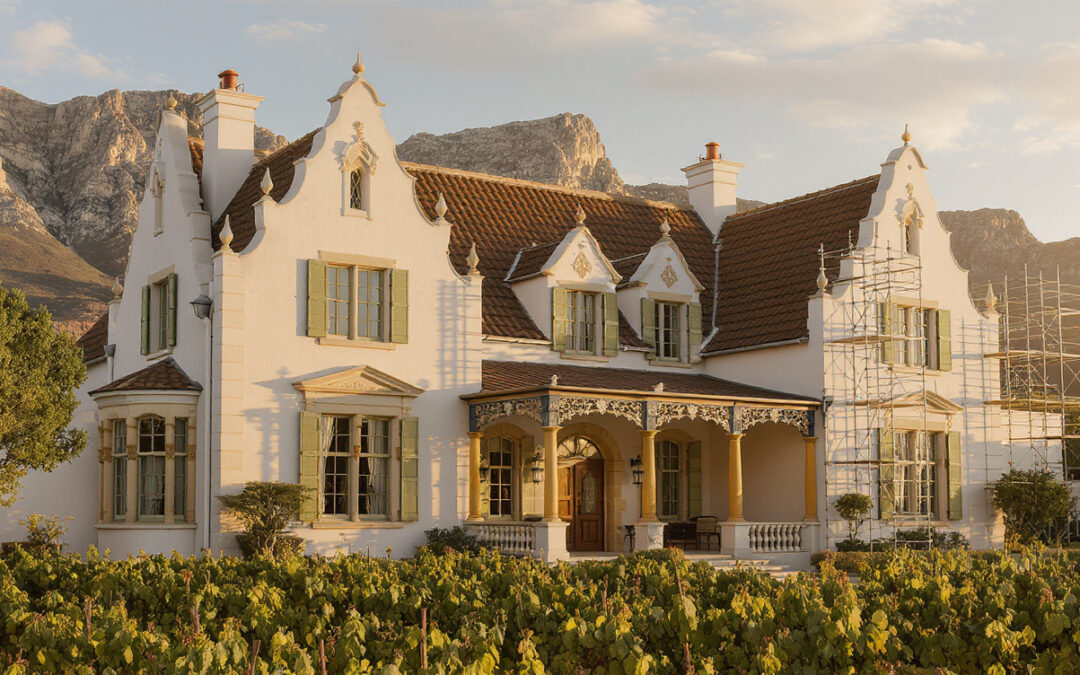
Navigating heritage permits in South Africa can feel overwhelming, especially when you’re unsure whether to approach Heritage Western Cape (HWC) or the South African Heritage Resources Agency (SAHRA). However, understanding this dual authority system for heritage permits is crucial for any property owner considering renovations on historically significant buildings. This comprehensive guide clarifies the permit process and helps property owners make informed decisions about their heritage building restoration projects and heritage renovation services.
–
Here’s the thing everyone gets wrong: assuming there’s one heritage authority to rule them all. Plot twist, there isn’t. Furthermore, South Africa’s dual authority system splits heritage permits between different organisations based on your property’s grading and location. Heritage Western Cape (HWC) handles provincial matters in the Western Cape, whilst SAHRA operates nationally for properties deemed significant enough to make the history books.
Think of it like this, if your property is locally famous, it’s probably HWC’s domain. Conversely, if it’s historically iconic enough that tourists take selfies with it, SAHRA’s your destination. This distinction becomes particularly important for Cape Dutch restoration projects in the Paarl and Stellenbosch regions, where many properties fall under HWC’s jurisdiction.
Here’s where things get serious (and expensive if you get them wrong). Heritage permits aren’t bureaucratic suggestions, they’re legal requirements under the National Heritage Resources Act No. 25 of 1999. If you skip this step, you’re looking at stop-work orders, hefty fines, and the joy of undoing all your unauthorised work. That is not the renovation experience you’d planned for.
Moreover, these permits ensure your renovations respect our cultural heritage whilst still letting you create the space you actually want to live in. Additionally, proper heritage permit compliance can increase your property value, particularly in sought-after areas like the Cape Winelands where historical authenticity preservation is highly valued.
The Western Cape presents unique challenges due to its rich colonial and Cape Dutch architectural heritage. Consequently, many properties in Paarl, Wellington, and Franschhoek require careful consideration of heritage permit requirements. Historical farmhouse restoration projects on wine estates, for instance, often involve complex approvals that balance modern functionality with heritage preservation.
–
Quick reality check, your property’s grade is the golden key to everything else. If you get this right, you’ll know exactly where to go and what to expect. If you get it wrong, you’ll be ping-ponged between authorities like a bureaucratic tennis ball.
These are the crown jewels, think Castle of Good Hope or Union Buildings. If your property made it to Grade I, congratulations, you own a piece of national treasure. Also, condolences, because SAHRA’s approval process will be thorough enough to make an audit look casual. Grade I properties require the most extensive heritage permits and typically involve multiple rounds of consultation.
Moreover, any structural integrity upgrades on Grade I properties must maintain absolute historical authenticity. This usually means using heritage-grade materials and traditional construction techniques wherever possible.
Grade II properties are the regional stars, historically important but not quite national monument material. In the Western Cape, HWC takes the lead here. We’re talking historic homesteads, significant religious buildings, or architecturally noteworthy structures that tell the story of their era.
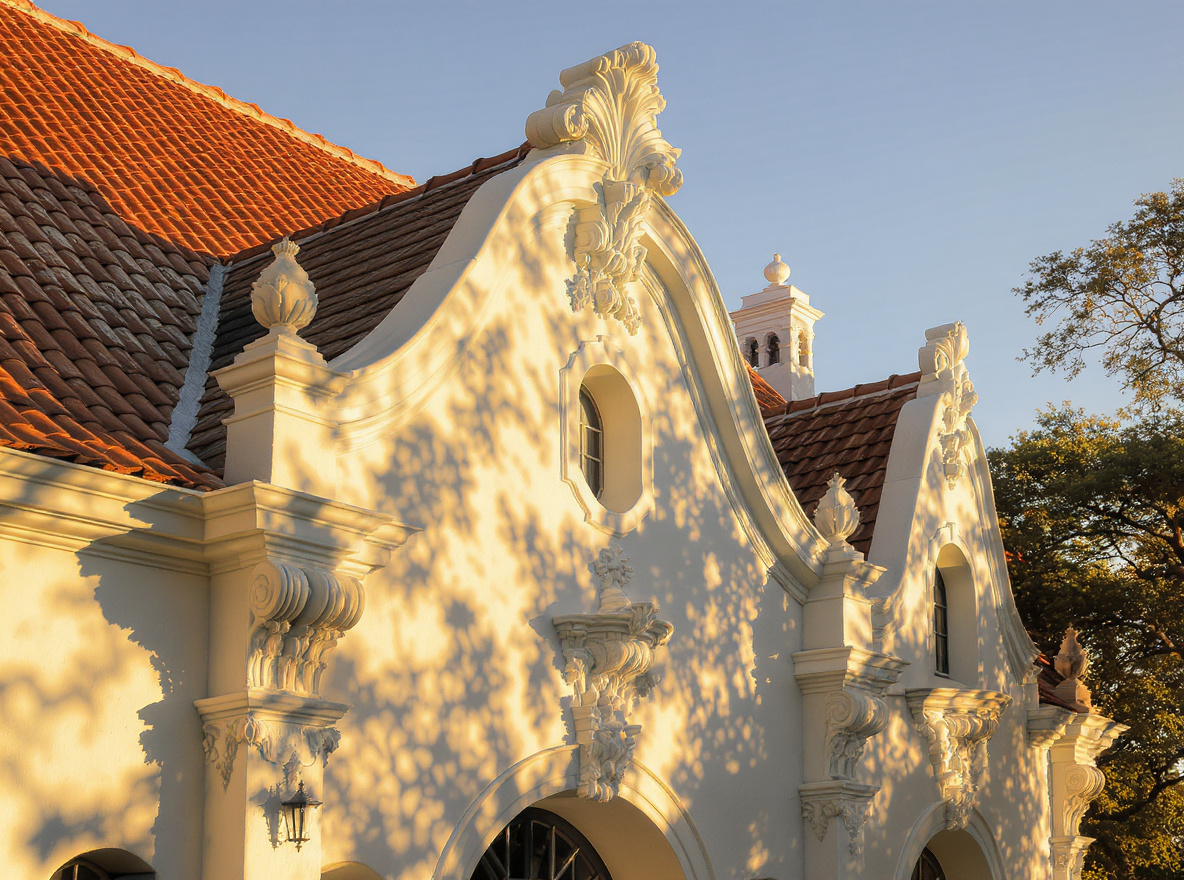
Specifically, many Cape Dutch homesteads in the Winelands fall into this category. These properties often require façade restoration work that maintains the distinctive gabled architecture whilst accommodating modern living requirements. Consequently, heritage permits for Grade II properties must balance preservation with practical renovation needs.
These properties have local heritage value and usually fall under municipal oversight with provincial input. However, don’t assume Grade III means “easy approval”, because depending on your proposed changes, you might still need provincial blessing. Many historical building renovation projects in Paarl and surrounding areas fall into this category.
Furthermore, Grade III properties often allow more flexibility for adaptive reuse projects, which makes them attractive for conversion into guesthouses, restaurants, or boutique accommodation.
| Grade | Significance Level | Responsible Authority | Typical Examples | Permit Complexity |
|---|---|---|---|---|
| Grade I | National | SAHRA | National monuments, iconic buildings | Most complex, 6-12 months |
| Grade II | Provincial | HWC (Western Cape) / Provincial authorities | Historic homesteads, important religious buildings | Moderate, 3-6 months |
| Grade III | Local | Municipal (with provincial consultation) | Local heritage buildings, streetscapes | Least complex, 2-4 months |
In the Cape Winelands region, property grading often reflects the area’s viticultural and architectural history. For instance, original Cape Dutch manor houses typically receive Grade II status, whilst their associated farm buildings might be Grade III. This distinction significantly impacts the heritage permit requirements and approval processes for restoration projects.
–
Let’s bust this myth once and for all, shall we?
Contrary to what your neighbour’s cousin’s builder told you, turning 60 doesn’t automatically make your property heritage-protected. Instead, heritage significance assessment considers architectural importance, historical associations, social significance, and contribution to the cultural landscape. Age is just one factor in a much more nuanced equation.
Additionally, many assume that conservation-focused construction automatically requires heritage permits. In reality, the requirement depends on the property’s individual significance rather than its age alone.
Sometimes younger properties still need permits if they’ve got exceptional significance. For example:
Interestingly, some 1950s and 1960s winery buildings in the Cape Winelands now require heritage permits due to their contribution to the region’s viticultural heritage.
Here’s where it gets interesting, different provinces apply heritage criteria with varying degrees of enthusiasm. The Western Cape maintains comprehensive heritage registers and has particularly strict requirements for façade restoration projects in historical town centres.
Meanwhile, other provinces might have different priorities altogether. For example, KwaZulu-Natal focuses heavily on cultural landscapes, whilst Gauteng emphasises industrial heritage. Therefore, always consult your relevant Provincial Heritage Resources Authority, because assumptions will cost you time and money.
HWC applies specific criteria when assessing heritage significance:
Consequently, properties that tick multiple boxes often require more comprehensive heritage permits, regardless of their age.
–
Finally, the bit you’ve been waiting for, who do you actually call?
Ring HWC for:
Moreover, HWC has developed specific expertise in Cape architectural styles and understands the unique challenges of heritage building restoration in the Western Cape climate.
Contact SAHRA directly for:
Additionally, SAHRA often becomes involved when heritage permits have broader cultural or political significance beyond provincial boundaries.
Furthermore, each authority has developed specific expertise reflecting their regional heritage characteristics.
Importantly, when in doubt, it’s better to over-consult than miss a required approval.
–
Right, let’s get practical. Here’s your roadmap through the paperwork jungle.
Additionally, early research investment saves significant time and money later in the process.
Every application needs completed forms, detailed renovation plans, current site photographs, and proof of ownership. However, most applications also require a Heritage Impact Assessment (HIA) from qualified consultants, particularly for significant alterations or sensitive properties. This isn’t optional paperwork, it’s usually mandatory.
Moreover, Heritage Impact Assessments must include:
Furthermore, specialised reports may be required for structural work, archaeological investigations, or environmental assessments.
Submit complete applications to the relevant authority with all documentation and applicable fees. Processing starts only when applications are complete, so double-check everything. Authorities might request additional information or site inspections during review, so factor this into your timeline.
Additionally, the submission process typically involves:
Consequently, total processing time often ranges from 3-6 months for straightforward applications.
Don’t submit incomplete applications, they’ll just bounce back. Never commence work before receiving permit approval, seriously, don’t. Don’t underestimate complexity or attempt DIY applications for major projects. Most importantly, engage heritage consultants early, because waiting until problems arise costs exponentially more.
Additionally, avoid these specific pitfalls:
Furthermore, many applicants underestimate the time required for heritage permit approval and risk project delays.
–
Let’s set realistic expectations, because heritage permits aren’t known for their speed.
HWC typically processes standard applications within 60-90 days for complete submissions. Complex applications involving significant alterations stretch to 4-6 months, depending on required assessments and consultations. Additionally, Cape Dutch restoration projects often require specialist review, which can extend timelines.
Moreover, seasonal factors affect processing times:
Consequently, timing your heritage permit application strategically can significantly impact processing speed.
| Province | Standard Applications | Complex Applications | Approval Rate |
|---|---|---|---|
| Western Cape (HWC) | 60-90 days | 4-6 months | 85-90% |
| KwaZulu-Natal | 90-120 days | 6-8 months | 80-85% |
| Gauteng | 60-90 days | 4-6 months | 85-90% |
| National (SAHRA) | 90-180 days | 6-12 months | 75-80% |
| Eastern Cape | 90-150 days | 6-9 months | 80-85% |
Application completeness is everything, because incomplete submissions reset the clock. Additionally, property significance level, alteration complexity, public consultation requirements, and seasonal application volumes all influence timelines.
Specifically, applications involving:
Furthermore, heritage building restoration projects in tourist areas may face additional scrutiny due to economic and cultural sensitivities.
Plan heritage permit applications 4-6 months before your intended construction start date. Build substantial buffer time into project schedules and maintain regular communication with reviewing authorities. Trust us on this one.
Additionally, consider these timeline management strategies:
Moreover, successful heritage permit management often determines overall project success and profitability.
–
Here’s the uncomfortable truth, this isn’t a DIY process.
Heritage permit applications involve complex legal, historical, and technical considerations that require specialised expertise. Professional heritage consultants understand different authorities’ nuances and can navigate the system efficiently. They speak the language, know the people, and understand the unwritten rules.
Moreover, heritage consultants bring essential skills:
Consequently, attempting complex heritage permit applications without professional support typically results in delays, rejections, and cost overruns.
Applications prepared by qualified heritage consultants usually achieve higher approval rates and faster processing times. Professional involvement prevents costly mistakes and ensures heritage compliance from day one. It is an investment that pays for itself through avoided delays and rejections.
Specifically, professional heritage consultants typically achieve:
Additionally, experienced consultants often identify opportunities for heritage incentives, grants, or tax benefits that offset their fees.
Select consultants with relevant qualifications, experience with your property type, and established relationships with heritage authorities. Look for professionals with:
Consultant fees typically range from R15,000 to R50,000, depending on project complexity and required assessments. However, complex historical farmhouse restoration projects or significant Cape Dutch restoration work may require higher investment.
Moreover, consider the consultant’s approach to balancing heritage preservation with practical renovation needs. Some are more conservation-focused, whilst others better understand adaptive reuse requirements.
Professional heritage consultants typically provide:
Consequently, comprehensive consultant engagement covers the entire heritage permit process from initial assessment to project completion.
Ready to navigate your heritage permit application with confidence? Consult with a qualified heritage specialist who understands the HWC/SAHRA system and can guide your project through the approval process efficiently. For projects requiring expert heritage renovation services, professional consultation ensures both compliance and exceptional results.
–
Let’s talk specifics, what actually needs heritage permits?
Structural changes almost always require heritage permits, regardless of property age. This includes removing walls, adding floors, or modifying roof structures. Additionally, structural alterations demand detailed engineering reports and heritage impact assessments to ensure structural integrity upgrades don’t compromise heritage values.
Specifically, common structural work requiring heritage permits includes:
Moreover, heritage properties often require specialised structural solutions that preserve original construction techniques whilst meeting modern building standards.
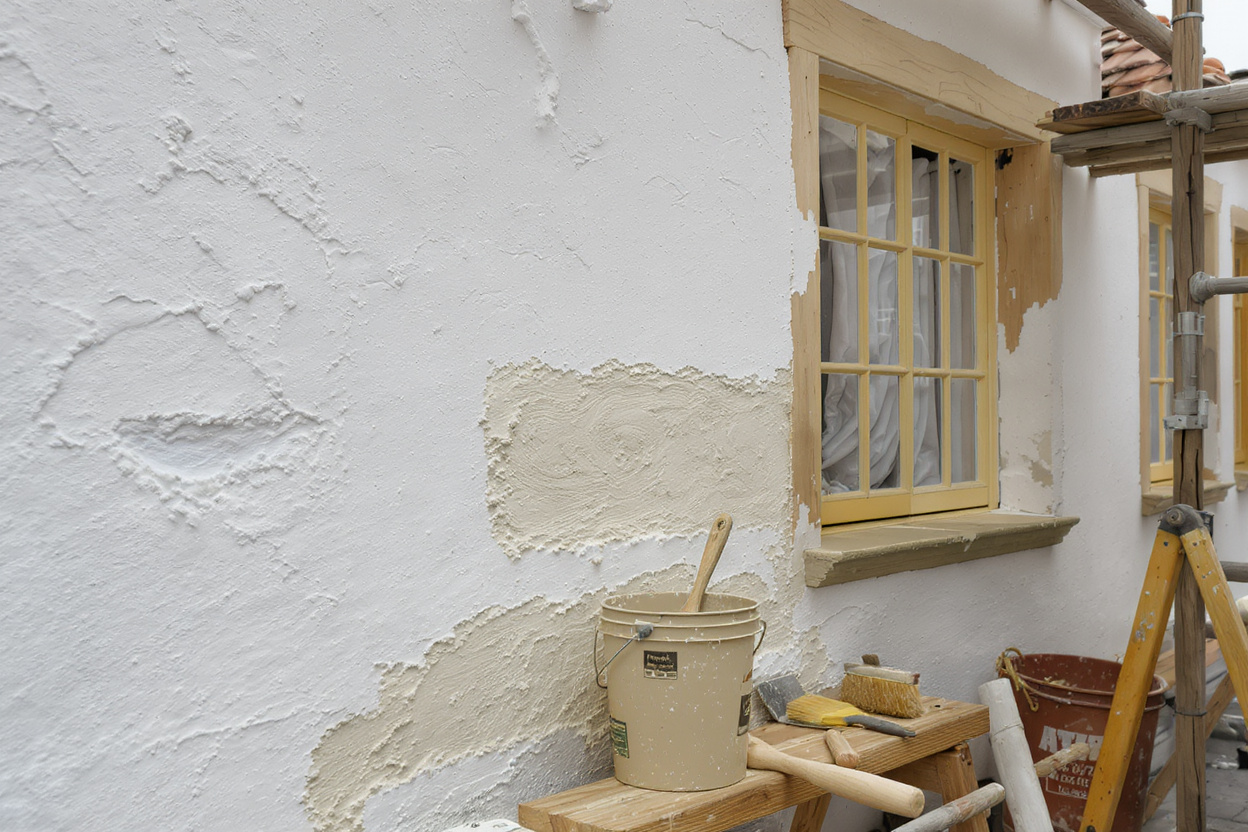
External alterations typically face strict scrutiny, particularly for street-facing elevations. Window replacements, door modifications, and façade materials changes usually require heritage permits and must maintain heritage character. Even paint colour changes might need approval on sensitive properties.
Furthermore, façade restoration projects in the Western Cape must consider:
Consequently, façade restoration often represents the most visible and regulated aspect of heritage building renovation. JDV Construction’s team has extensive experience with heritage-sensitive restoration work that meets both regulatory requirements and client expectations.
Interior renovations may require heritage permits if they affect heritage features like original fireplaces, decorative elements, or significant room layouts. However, basic updates like plumbing and electrical work often proceed with standard building permits, but check first with your local authority.
Additionally, interior heritage features commonly protected include:
Therefore, comprehensive interior assessments help identify which elements require heritage permit protection.
| Renovation Type | Heritage Permit Requirement | Key Considerations | Typical Timeline |
|---|---|---|---|
| Structural changes | Always required | Engineering reports needed | 4-6 months |
| Façade alterations | Usually required | Street visibility crucial | 3-5 months |
| Interior updates | Sometimes required | Heritage features affected | 2-4 months |
| New additions | Always required | Design compatibility essential | 4-8 months |
| Landscaping changes | Often required | Setting and context important | 2-3 months |
In the Cape Winelands, specific renovation scenarios commonly requiring heritage permits include:
Moreover, these projects often require balancing tourism and commercial viability with heritage preservation requirements.
–
Start by determining your property’s heritage grading and identifying the correct authority. Subsequently, engage qualified heritage consultants early in your planning process and allow sufficient time for heritage permit processing before construction begins. Remember, this process protects both our heritage and your investment, so approach it with patience and professional support.
Moreover, successful heritage permit navigation requires understanding that preservation and progress can coexist. With proper planning, appropriate materials, and professional guidance, heritage building restoration projects can create beautiful, functional spaces that honour our architectural legacy whilst meeting contemporary needs.
Finally, consider heritage permits as an investment in cultural preservation that often delivers exceptional property values and unique character impossible to achieve with new construction. When you’re ready to begin your heritage restoration journey, contact our experienced team for comprehensive project guidance and expert execution.
–
~ JDV Construction
Before any heritage permit submission lands on Heritage Western Cape’s desk, sound applicants do their own pre-application research first. Pull the title deed, confirm the property’s age via municipal records, and check the Heritage Western Cape interactive map for any declared overlays. For estates older than 60 years or known to be heritage-graded, commission an early-stage Heritage Impact Assessment scoping note rather than waiting for HWC to raise concerns mid-review. The pre-application research stage is the easiest place to discover that a project will need a Section 34 permit rather than a routine plans approval; finding out at submission stage adds 8 to 12 weeks of avoidable delay.
Heritage Western Cape provides an emergency permit pathway for structures at imminent risk of failure, where waiting for a standard Section 34 process would result in loss of historic fabric. Emergency permits are not a way to short-circuit standard heritage process; they are reserved for genuine structural risk supported by engineering certification. Typical scenarios include a Cape Dutch gable showing acute movement, a thatched roof failing under storm load, or foundation undermining caused by drainage failure. Applications must include a structural engineer’s report, before-photographs, and a clear scope limited to the emergency intervention only. Heritage Western Cape can issue emergency authorisations within days when the case is clear, but the broader restoration work still requires the standard Section 34 process afterwards.