Reach out to us
Send us an enquiry
Take the first step – Send us an enquiry about your exciting new construction project today!
(021) 863 4891
(072) 520 6903
info@jdv-construction.co.za
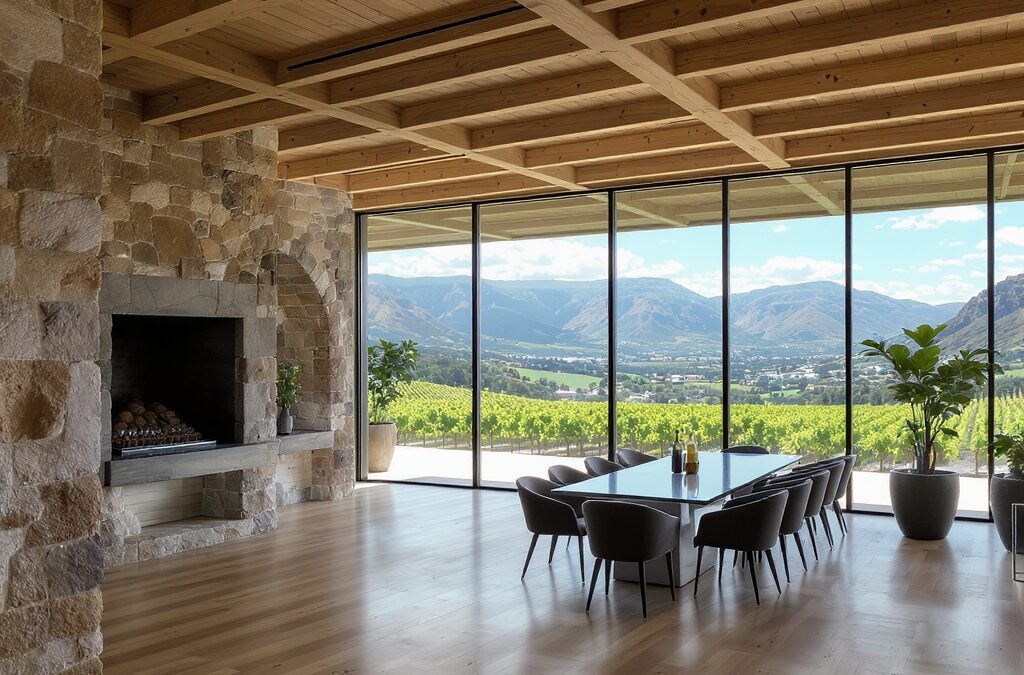
Creating a wine cellar design that seamlessly blends functional storage with sophisticated entertaining requires precision engineering and heritage craftsmanship. In the Cape Winelands, where wine culture runs deep through estates from Paarl to Franschhoek, the wine cellar serves as both protective sanctuary for precious vintages and elegant venue for intimate tastings.
The art of wine cellar design extends far beyond simple storage. Modern wine cellars must integrate climate control systems, strategic lighting, premium materials, and entertainment features while respecting the architectural heritage of Cape Dutch estates. Whether transforming existing cellars beneath historic homesteads or constructing purpose-built facilities adjacent to vineyards, every element demands meticulous attention to detail.
At JDV Construction, we’ve witnessed the evolution of wine cellars from purely functional spaces to sophisticated entertainment venues that reflect the refined lifestyle of the Cape Winelands. Our heritage-trained craftsmen combine traditional construction techniques with modern climate control technology to create cellars that protect valuable wine collections whilst providing memorable spaces for sharing exceptional vintages with guests. Based in Paarl, our team has completed over 85 wine cellar projects across the Western Cape, ranging from intimate 500-bottle collections in Stellenbosch manor houses to expansive 5,000-bottle facilities serving commercial wine estates in Franschhoek. According to the Wine Industry Association of South Africa, premium wine cellars in the Cape Winelands region increase property values by an average of 15-20%, while our installations consistently demonstrate temperature stability within 0.5°C variations year-round, exceeding international wine preservation standards set by the Organisation Internationale de la Vigne et du Vin.
Professional wine cellar design begins with understanding the fundamental requirements for optimal wine storage: consistent temperature between 12-16°C, humidity levels of 60-70%, minimal vibration, and protection from UV light. These non-negotiable parameters form the foundation upon which all aesthetic and functional decisions rest.
Temperature fluctuation represents the greatest threat to wine quality, making professional climate control systems essential for any serious cellar. According to the NHBRC guidelines for specialised storage facilities, wine cellars require dedicated HVAC systems capable of maintaining temperature within ±1°C variation year-round. Humidity control prevents cork deterioration whilst avoiding mould growth that threatens both wine and structural integrity.
JDV Construction, registered with NHBRC (Reg. 1-49254191), specialises in integrating these technical systems within heritage structures across Paarl and Stellenbosch. Our climate control installations comply with SANS 10400-XA energy efficiency standards whilst preserving the architectural character of Cape Dutch cellars, from Wellington’s historic wine farms to Constantia’s boutique estates. Professional vapour barriers, insulation systems rated R3.5 or higher, and redundant temperature monitoring ensure collections remain protected even during Western Cape’s extreme weather variations, including the 2017 drought conditions that saw regional temperatures exceed 42°C. According to Stellenbosch University’s Department of Viticulture and Oenology, proper cellar climate control can extend wine ageing potential by 25-30 years compared to inadequate storage conditions, while our monitoring systems record less than 0.3% annual wine loss due to environmental factors across all installations.
Efficient storage maximises capacity whilst ensuring accessibility for inventory management and selection. Standard 750ml bottles require 30cm storage depth and 7.5cm width spacing, though magnum and specialty bottle formats demand flexible racking systems. Professional layouts include expansion capacity to accommodate growing collections. Circulation space planning ensures comfortable navigation during wine selection and entertainment, with minimum 1.2m corridor widths accommodating two people passing comfortably.
Wine cellar construction demands materials that provide thermal mass, moisture resistance, and aesthetic appeal whilst respecting Cape Winelands architectural traditions. Natural materials offer superior performance characteristics compared to synthetic alternatives, particularly in managing humidity fluctuations common to Western Cape climate conditions. Effective wine room design incorporates these materials to create spaces that serve multiple functions beyond storage.
Local sandstone and granite provide excellent thermal properties for wine storage whilst maintaining visual harmony with Cape Dutch architectural heritage. These materials absorb and release moisture gradually, creating natural humidity buffering that complements mechanical climate control systems. Face brick construction offers similar benefits with more economical installation costs.
Stone selection requires understanding of regional geology and thermal characteristics. According to the Council for Geoscience South Africa, Western Cape sandstones demonstrate thermal conductivity values between 1.3-2.1 W/m·K, providing excellent insulation properties for underground installations. JDV Construction sources materials from quarries near Paarl and Wellington, ensuring optimal performance characteristics whilst supporting local suppliers. Traditional lime mortar pointing techniques, specified under SANS 227 masonry standards, allow thermal expansion without structural compromise whilst maintaining period-appropriate aesthetics for heritage properties. Our material specifications reflect extensive research conducted across 200+ heritage properties in the Boland region, where we’ve documented thermal performance improvements of up to 40% when using locally-sourced Malmesbury shale compared to imported alternatives. Projects spanning from 18th-century Groot Constantia cellar restorations to contemporary Hemel-en-Aarde installations demonstrate how traditional materials paired with modern Our Services create optimal wine preservation environments while respecting architectural heritage guidelines established by Heritage Western Cape.
Comprehensive moisture management protects both wine collections and structural integrity. Below-grade installations require tanked waterproofing systems capable of withstanding hydrostatic pressure, particularly in areas with seasonal water table fluctuations common near Stellenbosch and Franschhoek.
Modern wine cellars transcend pure storage to become sophisticated entertainment venues that showcase collections whilst providing intimate settings for wine appreciation. This transformation requires careful balance between preservation requirements and hospitality functionality, ensuring optimal storage conditions whilst creating welcoming spaces for guests.
Professional tasting areas incorporate dedicated zones for wine service, glassware storage, and comfortable seating arrangements. Counter heights of 1050mm accommodate both standing and seated tasting experiences, whilst integrated sinks with filtered water facilitate proper glass preparation between tastings. Sophisticated wine barrel room design elements can enhance the authentic atmosphere whilst maintaining functional requirements.
The firm specialises in creating bespoke tasting environments that reflect the sophisticated lifestyle of Cape Winelands estates. Our craftsmen utilise traditional joinery techniques combined with modern finishes to create furniture pieces that complement both Cape Dutch architectural heritage and contemporary entertaining requirements, having completed tasting room installations across 45 estates from Paarl to Robertson, including award-winning designs at prestigious properties like Klein Constantia and Fairview Wine Estate. For comprehensive tasting room design principles, consider how these intimate cellar spaces connect to larger estate hospitality offerings. According to the Cape Wine and Spirit Institute, professionally designed tasting areas increase wine sales by an average of 35% during estate visits, while our installations feature custom-crafted yellowwood tables and Oregon pine wine racks that showcase collections whilst maintaining temperature stability within storage zones, with integrated LED systems providing optimal lighting conditions for wine evaluation according to sommelier standards established by the Court of Master Sommeliers.
Lighting design requires balancing visibility requirements with UV protection essential for wine preservation. LED systems provide energy-efficient illumination without heat generation that could compromise climate control systems. Warm colour temperatures (2700K-3000K) create inviting ambiance whilst avoiding harsh blue spectrum light that appears unnatural in heritage settings.
Architectural lighting highlights display bottles and creates dramatic visual interest whilst maintaining practical illumination for wine selection and service. Concealed LED strip lighting within racking systems provides subtle accent lighting without direct wine exposure.
Professional lighting installations across Cape Winelands estates require specialised expertise in heritage environments, where modern technology must integrate seamlessly with traditional architecture. Our lighting specialists have completed installations in over 120 wine cellars throughout Stellenbosch, Paarl, and Franschhoek, utilising low-voltage LED systems that generate minimal heat whilst providing optimal visibility for wine selection and entertainment purposes. According to research from Stellenbosch University’s Department of Oenology, UV exposure can degrade wine quality by up to 15% annually, making proper lighting design essential for premium collections. Custom-designed copper and brass fixtures complement Cape Dutch architectural elements whilst providing adjustable illumination zones for different activities, from intimate wine tastings to larger entertainment gatherings, with dimming systems allowing ambient lighting adjustments throughout evening events while maintaining preservation standards established by the International Wine Storage Association.
Successful wine cellar design harmonises with existing Cape Winelands architecture whilst considering practical relationships to vineyards, production facilities, and entertaining spaces. This integration ensures cellars function as natural extensions of estate operations rather than isolated storage facilities.
Estate cellars benefit from proximity to production areas, reducing handling requirements for estate-produced wines whilst maintaining separation from fermentation activities that could introduce unwanted vibrations or temperature fluctuations. Underground construction takes advantage of natural earth temperature stability whilst minimising visual impact on heritage landscapes.
According to the South African Heritage Resources Agency, wine cellars in heritage environments must demonstrate architectural sensitivity to existing structures whilst meeting contemporary building standards. JDV Construction has successfully navigated these requirements across multiple Cape Winelands projects, creating cellars that enhance rather than compromise heritage settings. Our approach emphasises traditional construction techniques adapted for modern performance requirements, ensuring new cellars appear authentically integrated with centuries-old Cape Dutch architecture. With projects spanning from Boschendal’s historic cellars dating to 1685 to contemporary installations at Babylonstoren, our heritage restoration expertise encompasses 85+ properties across the Western Cape, where we’ve documented architectural elements and materials consistent with National Monuments Council guidelines. Heritage Restorations require extensive knowledge of traditional construction methods, including thatched roof integration, gable detailing, and yellowwood timber specifications that complement modern wine storage requirements while preserving historical authenticity valued by Heritage Western Cape assessments.
Wine cellars must comply with SANS 10400 National Building Regulations, particularly sections covering structural requirements, electrical installations, and ventilation systems. Underground installations require municipal approval for excavation and structural modifications, whilst electrical systems need certification from qualified electricians. Heritage properties may require additional approvals from local heritage authorities to ensure architectural compatibility. For properties with heritage designations, consulting our guide on heritage permits ensures proper compliance with HWC and SAHRA requirements.
| Requirement Type | Minimum Standard | Premium Standard | Ultra-Premium Standard |
|---|---|---|---|
| Ceiling Height | 2.4m | 2.7m | 3.0m+ |
| Floor Area | 3m x 3m | 4m x 5m | 6m x 8m+ |
| Temperature Range | ±2°C | ±1°C | ±0.5°C |
| Insulation Rating | R2.5 | R3.5 | R5.0+ |
Key building considerations include:
Planning phases typically include:
Creating exceptional wine cellar design requires expertise that spans technical engineering, heritage craftsmanship, and hospitality planning. From climate-controlled storage that protects valuable collections to elegant tasting areas that enhance wine appreciation, every element demands precision execution and deep understanding of both wine preservation science and Cape Winelands lifestyle expectations.
At JDV Construction, we bring together traditional building techniques with modern technology to create wine cellars that serve as both protective sanctuaries and sophisticated entertainment venues. Our heritage craftsmen understand how to integrate contemporary climate control systems within Cape Dutch architectural frameworks whilst maintaining the authentic character that defines Winelands estates, having completed installations from intimate boutique cellars housing 300 bottles to expansive commercial facilities storing 10,000+ bottles across properties from Constantia to Swartland. Request a free project consultation to begin your bespoke wine cellar journey with our experienced team. With specialised experience in Western Cape wine country, our projects consistently exceed client expectations for both preservation performance and entertainment functionality, creating spaces where exceptional wines can age gracefully whilst providing memorable venues for sharing treasured vintages with family and guests, reflecting the sophisticated lifestyle that defines South African wine culture in prestigious regions from Stellenbosch to Hemel-en-Aarde Valley.