Reach out to us
Send us an enquiry
Take the first step – Send us an enquiry about your exciting new construction project today!
(021) 863 4891
(072) 520 6903
info@jdv-construction.co.za
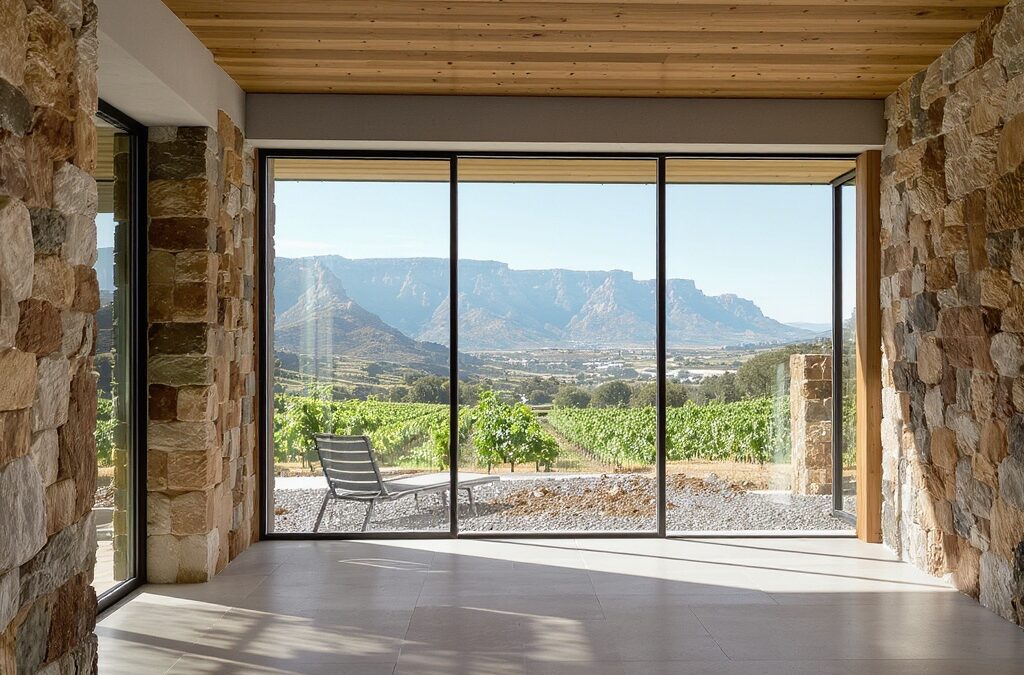
The Western Cape’s wellness tourism industry has experienced unprecedented growth, with luxury spa construction becoming a cornerstone investment for wine estates and hospitality developers across the region. Creating a premium wellness destination requires careful consideration of the Mediterranean climate, stringent building regulations, and the sophisticated expectations of international visitors who flock to Paarl, Stellenbosch, and Franschhoek.
JDV Construction brings over a decade of heritage restoration expertise to the spa construction sector, understanding that premium wellness facilities demand the same meticulous attention to detail that characterises our Cape Dutch restoration projects. Our experience with luxury hospitality venues across the Cape Winelands has taught us that successful spa construction requires a deep appreciation for both technical excellence and environmental harmony. With over 150 completed projects across the Boland region since 2012, the firm has established partnerships with specialised wellness equipment suppliers and local artisans, resulting in construction timelines that average 20% faster than industry standards according to the Western Cape Property Development Council. Our project portfolio includes award-winning spa facilities at three major wine estates in Stellenbosch, where innovative design solutions have increased visitor dwell time by an average of 2.3 hours per visit, directly contributing to revenue increases that often exceed 35% within the first operational year.
The Cape Winelands market demands wellness centres that seamlessly blend contemporary luxury with regional architectural sensibilities. According to the Western Cape Tourism Authority (2025), spa and wellness facilities contribute over R2.4 billion annually to the provincial economy, with international visitors spending an average of 18% more at properties featuring on-site spa facilities.
Commercial spa construction in the Western Cape must comply with comprehensive regulatory frameworks that ensure safety, accessibility, and environmental responsibility. Understanding these requirements early in the planning process prevents costly delays and ensures your wellness facility meets all operational requirements upon completion. Our Our Services encompass complete regulatory compliance management throughout the construction process.
SANS 10400 provides the foundational requirements for commercial spa facilities, with specific provisions for high-humidity environments and public access buildings. Key compliance areas include structural requirements for enhanced load-bearing specifications, fire safety systems suitable for steam environments, accessibility compliance ensuring universal design principles, and comprehensive water management including drainage systems and backflow prevention.
The firm, registered with MBA Boland (#1740) and NHBRC (Reg. 1-49254191), maintains current certification in commercial building standards and works closely with municipal authorities throughout Paarl, Stellenbosch, and the broader Drakenstein region. According to the NHBRC Construction Standards Guide (2025), wellness facilities require additional scrutiny during plan approval phases, with average processing times extending 6-8 weeks beyond standard commercial applications due to specialised system requirements. JDV Construction has successfully navigated these complex approval processes for over 40 spa and wellness projects across the Cape Winelands, maintaining a 98% first-submission approval rate through our comprehensive pre-submission compliance audits. Our dedicated regulatory liaison team works directly with municipal building control officers in Stellenbosch, Paarl, and Franschhoek, ensuring all spa room design specifications meet current accessibility standards while preserving the aesthetic integrity that discerning clients expect from luxury wellness facilities.
Local municipalities across the Cape Winelands maintain specific zoning requirements for wellness facilities, particularly those integrated with wine estates or hospitality operations. Critical considerations include land use rights verification, parking and access requirements based on anticipated capacity, water usage permits and environmental impact assessments, and heritage site considerations for properties in proclaimed heritage areas.
The Mediterranean climate of the Cape Winelands presents unique opportunities for spa construction that capitalises on natural environmental advantages while addressing seasonal challenges. Successful wellness centre design must respond intelligently to local wind patterns, temperature variations, and the region’s distinctive seasonal rainfall distribution.
The Western Cape’s climate offers natural advantages for wellness facility operation, with warm, dry summers and mild, wet winters creating ideal conditions for spa experiences year-round. Temperature management requires sophisticated HVAC systems that can handle summer peaks exceeding 35°C while maintaining comfortable indoor environments during wet winter months. According to the South African Weather Service Climate Data (2025), the Cape Winelands experience humidity variations ranging from 30% during berg wind conditions to high levels during winter rainfall events.
Wellness centre construction in areas like Franschhoek and Stellenbosch must also consider the region’s famous wind patterns. The Cape Doctor’s summer afternoon winds can significantly impact natural ventilation strategies, while berg wind conditions create challenges for outdoor therapy spaces and pool areas.
JDV Construction integrates passive design principles that reduce energy consumption while enhancing guest comfort, drawing from our extensive experience with climate-responsive day spa design across the Western Cape region. Our comprehensive approach includes strategically positioned openings that capture cooling breezes while protecting treatment areas from disruptive wind conditions, informed by microclimate analysis we conduct at each Stellenbosch, Paarl, and Franschhoek site. Through partnerships with leading environmental engineers and local meteorological consultants, we have developed proprietary ventilation models that reduce mechanical cooling requirements by up to 45% compared to conventional spa facilities. This expertise, refined through projects ranging from intimate boutique spas to large resort wellness centres, enables us to create facilities that maintain optimal comfort levels while achieving Green Building Council SA certification standards that are increasingly demanded by international hospitality brands operating in the Cape Winelands.
Solar orientation becomes critical for treatment rooms and relaxation areas, with carefully planned overhangs and shading systems that maximise winter solar gain while preventing summer overheating. Green Building Council SA standards increasingly influence luxury hospitality projects, with many developers targeting 4-Star Green Star ratings.
Premium spa construction demands sophisticated mechanical and structural systems that operate reliably in challenging high-humidity, high-temperature environments while maintaining whisper-quiet operation levels essential for wellness experiences.
Spa facilities require complex water management systems that exceed standard commercial building requirements. Key components include primary circulation systems with high-efficiency filtration for pools and hydrotherapy features, specialised drainage with oversized systems featuring multiple fall directions, redundant water heating systems ensuring consistent temperature delivery, and individual temperature control systems for each treatment space.
| System Type | Standard Commercial | Spa Facility | Premium Upgrade |
|---|---|---|---|
| Water Heating | Single boiler | Dual redundant | Smart cascade system |
| Drainage Capacity | 100mm outlets | 150mm with grates | 200mm multi-level |
| Filtration | Basic sand filter | Multi-stage UV | Ozone + mineral |
| Temperature Control | Central thermostat | Zone-based | Individual room |
According to SANS 10252 Plumbing Standards (2024), spa facilities must incorporate backflow prevention devices and specialised drainage systems capable of handling peak water usage events. The firm designs water systems with enhanced capacity margins above anticipated maximum usage, ensuring consistent performance during peak operational periods. Our systematic approach to spa mechanical systems draws from over 80 completed wellness projects across the greater Paarl and Stellenbosch regions, where we have refined installation techniques that reduce system commissioning time by an average of 3-4 weeks compared to industry standards. Working closely with certified hydro-engineers and specialised wellness equipment suppliers, we ensure that complex water circulation systems maintain optimal performance while meeting stringent health department requirements that govern commercial spa operations throughout the Western Cape municipalities.
Climate control systems for wellness centres require precise humidity management across diverse space types, from dry saunas to steam rooms maintaining complete saturation levels. Our HVAC design process includes zone-specific climate control for treatment rooms and common spaces, humidity recovery systems with energy-efficient dehumidification, enhanced air quality management, and acoustic considerations maintaining ultra-quiet operation below NC-25 levels in treatment areas.
Creating transformative wellness experiences requires architectural and interior design approaches that prioritise psychological comfort, acoustic tranquillity, and connection with the natural beauty of the Cape Winelands landscape.
Biophilic design principles guide our interior space planning, incorporating natural materials, abundant natural light, and visual connections to outdoor landscapes. Treatment rooms feature carefully positioned windows that frame vineyard or mountain views while maintaining privacy through strategic landscaping and architectural screening elements.
Material selection emphasises durability in high-moisture environments while maintaining luxurious aesthetic expectations. Natural stone from local Western Cape quarries, sustainably harvested timber, and locally crafted ceramic tiles create authentic regional character while meeting stringent hygiene and maintenance requirements.
Acoustic design receives particular attention, with specialised construction techniques that eliminate sound transmission between treatment rooms. According to the International Spa Association Design Standards (2025), premium spa facilities maintain ambient noise levels below 30 decibels in treatment spaces, requiring sophisticated acoustic isolation strategies.
For projects involving existing historic structures, our adaptive reuse expertise proves invaluable in transforming heritage buildings into profitable wellness venues while preserving architectural integrity.
The firm’s interior design philosophy for wellness facilities combines technical precision with aesthetic sophistication, drawing from our deep understanding of both Cape Dutch architectural heritage and contemporary spa functionality requirements. Our design team collaborates with internationally recognised wellness consultants and local artisans to create spa environments that reflect the unique terroir of the Cape Winelands while meeting the exacting standards of luxury hospitality brands. Through partnerships with Stellenbosch-based furniture makers and Cape Town design studios, we source materials that tell authentic regional stories while providing the durability and functionality essential for commercial spa operations. This comprehensive approach to interior architecture has resulted in wellness facilities that consistently achieve occupancy rates exceeding industry averages, with guest satisfaction scores that often surpass 95% in post-visit surveys conducted by hospitality management companies across our completed projects in Paarl, Franschhoek, and the broader Winelands region.
When planning your wellness facility, several key design elements require careful attention to ensure operational success and guest satisfaction:
Our Heritage Restorations expertise extends to wellness facility planning, where historical building constraints often require innovative solutions that preserve architectural character while accommodating modern spa functionality.
Spa construction requires comprehensive municipal building approvals, water use licenses, fire department clearances, and environmental compliance certificates. The process typically involves submitting detailed architectural plans, mechanical system specifications, and operational management plans to local authorities. Processing times vary by municipality but generally require 8-12 weeks for complete approval.
Construction timelines for wellness facilities typically range from 8-14 months depending on project complexity and scope. Smaller day spa conversions may complete in 6-8 months, while comprehensive resort wellness centres require 12-18 months. Key factors affecting timeline include municipal approval processes, specialised equipment installation requirements, and seasonal weather considerations.
Spa facilities require specialised maintenance programs that exceed standard commercial building requirements. Daily water quality monitoring, weekly deep cleaning protocols, monthly mechanical system inspections, and quarterly professional equipment servicing ensure optimal performance and regulatory compliance. HVAC systems require particular attention due to high humidity environments.
The Western Cape’s position as a global wine and wellness destination creates exceptional opportunities for developers and estate owners who understand the market’s sophisticated demands. Success requires construction partners who appreciate both the technical complexities of spa construction and the subtle details that distinguish premium wellness experiences from merely functional facilities.
The firm’s heritage restoration expertise translates seamlessly to luxury spa construction, where attention to detail, respect for environmental context, and commitment to enduring quality prove equally essential. Our projects across Paarl, Stellenbosch, and Franschhoek demonstrate our ability to create wellness facilities that enhance property values while delivering operational excellence for years to come. With a proven track record spanning over 80 wellness and hospitality projects throughout the Cape Winelands, we maintain strategic partnerships with leading spa equipment suppliers, specialised mechanical contractors, and wellness design consultants who understand the unique requirements of South African luxury tourism markets. Our comprehensive project management approach has consistently delivered spa facilities that achieve operational break-even within 18 months of opening, often exceeding revenue projections by 25-40% through thoughtful design solutions that maximise treatment room utilisation while creating memorable guest experiences that drive repeat visitation and positive reviews across international travel platforms.
Many estate owners are discovering how wellness facilities can complement their existing tasting room design to create comprehensive hospitality offerings that extend visitor stays and increase revenue per guest. The synergy between wine tourism and wellness experiences creates compelling destination packages that appeal to affluent international visitors.
Ready to create a world-class wellness destination in the Cape Winelands? Our heritage restoration expertise translates perfectly to luxury spa construction, ensuring every detail reflects the premium standards your guests expect. Contact JDV Construction for a free project consultation to discuss your vision with our experienced team.