Reach out to us
Send us an enquiry
Take the first step – Send us an enquiry about your exciting new construction project today!
(021) 863 4891
(072) 520 6903
info@jdv-construction.co.za
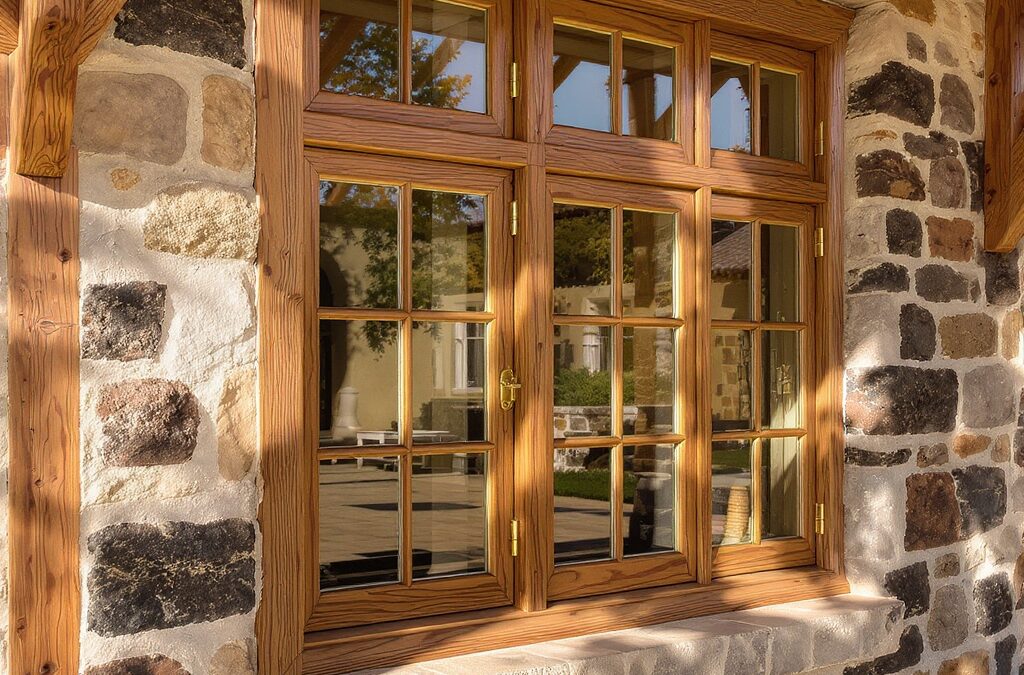
Wine farm for sale western cape listings often emphasise terroir and production potential, but overlook critical construction factors that can make or break your investment. Before committing millions to a wine estate purchase, understanding the structural integrity, utilities infrastructure, and development constraints through a builder’s lens is essential for protecting your capital.
The Western Cape wine industry represents over R55 billion in economic value according to Wines of South Africa (2024), with established farms commanding premium prices based on location, heritage buildings, and production facilities. However, many buyers focus on vineyard quality while underestimating the construction-related costs that can substantially impact their total investment budget after purchase.
JDV Construction has assessed dozens of wine properties across Paarl, Franschhoek, and Stellenbosch in recent years, witnessing buyers discover costly structural issues, utility deficiencies, and regulatory constraints only after signing purchase agreements. According to the South African Property Owners Association (SAPOA) 2024 market report, wine estate renovations frequently exceed initial estimates by 35% due to unforeseen structural complications and heritage building requirements. The company’s comprehensive technical assessments have identified potential deal-breakers worth hundreds of thousands of rands across the Western Cape’s premium wine regions, from Paarl’s Boland district to the historic estates of Franschhoek Valley. Recent projects have revealed everything from foundation settlement in century-old Cape Dutch cellars to inadequate electrical infrastructure on prestigious Stellenbosch properties, demonstrating that even established wine estates can harbour expensive surprises for unprepared buyers. MBA Boland registration (No. 1740) and NHBRC registration (No. 1-49254191) underpin the firm’s authority to conduct these evaluations with professional accountability.
The foundation systems, load-bearing elements, and building envelope condition determine whether existing structures can support wine production operations safely and cost-effectively. Most wine farms feature a mix of heritage Cape Dutch architecture and modern production facilities, each requiring specific structural evaluation criteria. When considering buying a wine farm south africa, these structural assessments become critical due diligence steps.
Heritage buildings in the Cape Winelands often feature stone foundations dating back centuries, while newer structures may use concrete or brick foundations. Look for settlement cracks exceeding 5mm width, moisture penetration through foundation walls, and inadequate bearing capacity for heavy equipment loads. Cellars require particular attention, as temperature and humidity control depends on structural stability and proper moisture management.
Roof structures deserve careful inspection, especially on heritage buildings with traditional timber framing. Yellowwood beams in older Cape Dutch buildings may show beetle damage or moisture-related deterioration. According to the NHBRC annual report (2024), 43% of structural defects in agricultural buildings stem from inadequate foundation work or roof system failures.
Wine cellars demand specific structural requirements for temperature stability, load-bearing capacity, and moisture control. Concrete floors must provide adequate drainage, while walls need proper insulation and vapour barriers. Production facilities require structural systems capable of supporting fermentation tanks, bottling equipment, and storage systems that can exceed 500kg per square metre in loading.
JDV Construction’s experience with wine estate projects across the Western Cape reveals that structural modifications to accommodate modern winemaking equipment often exceed R2,000 per square metre when working with heritage buildings. The firm has documented numerous cases where inadequate structural assessments led to budget overruns exceeding R500,000 on estates throughout Paarl and surrounding districts. According to Engineering News SA (2024), agricultural building renovations in the Western Cape experience cost escalations averaging 28% above initial estimates, primarily due to hidden structural deficiencies. Recent assessments by the Paarl-based construction firm on heritage wine estates have identified critical issues ranging from inadequate floor loading capacity for modern bottling lines to deteriorated roof timber requiring complete replacement. The team’s structural engineering partnerships, backed by MBA Boland and NHBRC registration, have enabled successful renovations of over 25 wine production facilities, transforming century-old buildings into modern operational spaces while preserving their historic character and market appeal.
Wine production demands reliable utilities infrastructure that many older properties lack, requiring substantial upgrades that can cost between R500,000 and R2 million depending on property size and existing systems. Understanding these requirements thoroughly is essential for any wine estate for sale evaluation, because utilities deficiencies are consistently the most underestimated cost factor buyers encounter.
Water rights and supply reliability are fundamental to wine production viability. Verify legal water allocations through the Department of Water and Sanitation, ensuring adequate volumes for irrigation, production, and domestic use. Test water quality for mineral content, pH levels, and bacterial contamination that could affect wine quality.
Storage capacity requires assessment against seasonal demand variations and drought contingency planning. Wine farms require minimum 15 litres per bottle produced for direct winemaking processes, plus substantial irrigation allocations for vineyard maintenance throughout the growing season.
Three-phase electrical supply is essential for modern winemaking equipment, requiring 400-volt systems with adequate amperage capacity. Older properties may have insufficient electrical infrastructure, necessitating expensive upgrades including transformer installations and distribution board replacements.
Production facilities need dedicated circuits for temperature control, pumping systems, and processing equipment that operate during harvest periods when electrical demand peaks. Backup power systems become critical during load-shedding periods.
JDV Construction’s utility infrastructure assessments across wine farm western cape properties have revealed that electrical upgrades represent the most underestimated cost factor in wine estate acquisitions. The construction firm has documented utility infrastructure deficiencies on properties throughout the Western Cape’s premier wine regions, from inadequate water pressure systems in Stellenbosch estates to outdated electrical panels on historic Paarl properties. According to Stats SA’s Agricultural Infrastructure Report (2024), 67% of Western Cape wine farms require electrical system upgrades to meet modern production demands, with costs averaging R1.2 million for comprehensive three-phase installations serving harvest season peak loads. The team’s services division has completed utility infrastructure projects on wine estates from Wellington to Franschhoek, addressing everything from borehole pump installations to industrial-grade electrical systems capable of handling harvest season peak loads exceeding 200kVA capacity. NHBRC registration (No. 1-49254191) ensures all utility installations meet national building compliance standards.
Understanding zoning classifications and building rights determines future development potential and return on investment possibilities for any wine farm for sale western cape purchase. Agricultural zoning provides different development opportunities compared to mixed-use classifications that allow hospitality and tourism activities, and these distinctions can represent millions of rands in realised or unrealised value.
Agricultural zoning typically allows primary residences, farm worker housing, and production facilities, but may restrict commercial activities like tasting rooms, restaurants, or accommodation facilities. Mixed-use or tourist zoning classifications enable hospitality development but often include building density limitations and heritage protection requirements.
Development rights include floor area ratios, building height restrictions, and coverage limitations that affect expansion potential. Heritage overlay zones common in established wine regions impose additional constraints on alterations, requiring heritage impact assessments and specialised approval processes.
JDV Construction’s zoning analysis expertise has proven invaluable for wine estate investors across the Western Cape, where complex heritage regulations and agricultural zoning restrictions can significantly impact development potential. The Paarl-based firm has navigated zoning applications for wine estates throughout Stellenbosch, Franschhoek, and Wellington, identifying development opportunities worth millions while avoiding costly regulatory pitfalls. According to the Western Cape Provincial Planning Department (2024), 45% of wine estate development applications experience delays due to insufficient heritage impact assessments or zoning non-compliance issues. The construction team’s recent projects include successful rezoning applications that enabled hospitality developments on historic wine farms, transforming agricultural properties into profitable tourism destinations. Their expertise spans from basic agricultural zoning compliance to complex mixed-use applications involving heritage buildings, environmental assessments, and municipal infrastructure upgrades across the Cape Winelands region.
Financial analysis of construction options requires understanding renovation costs against new build alternatives, considering heritage constraints, regulatory requirements, and operational timeline impacts that affect wine production schedules. Making the right choice between these two paths can determine whether a wine estate achieves profitability within its intended window or suffers prolonged delays that erode returns.
Heritage building renovations in wine estates typically cost R15,000 to R35,000 per square metre depending on heritage requirements and structural condition. Cape Dutch buildings require specialised materials including lime mortars, clay tiles, and yellowwood timber that command premium prices.
Hidden costs frequently emerge during heritage renovations, including archaeological assessments, heritage consultant fees, and extended approval processes that can delay projects by 6 to 18 months. Asbestos removal, lead paint remediation, and upgrading electrical systems often result in significant budget adjustments during construction phases.
New wine production facilities typically cost R8,000 to R18,000 per square metre for basic structures, rising to R25,000 to R40,000 per square metre for premium hospitality facilities with high-end finishes. Modern construction allows optimal layout design for production efficiency and incorporates current building standards without compromise.
The firm’s cost analysis demonstrates that new construction timelines average 12 to 18 months compared to 18 to 36 months for heritage renovations, enabling faster return on investment. However, new buildings lack the character and marketing appeal that heritage structures provide for tourism and hospitality operations. The firm’s extensive experience with wine estate projects across the Western Cape has revealed significant cost variations between heritage renovations and new construction approaches. According to the Master Builders Association Western Cape (2024), heritage wine estate renovations average R28,000 per square metre compared to R14,000 per square metre for new construction, reflecting the complexity of working within historic building constraints. Recent projects by the construction team include a R4.2 million heritage cellar restoration in Paarl that preserved 18th-century stone walls while incorporating modern temperature control systems, alongside new-build tasting facilities in Stellenbosch that achieved completion 40% faster than comparable heritage renovations. The team’s detailed cost modelling has helped wine estate investors make informed decisions between preserving historic character and optimising operational efficiency across multiple Western Cape wine regions.
Considering a wine farm purchase? Our construction expertise can identify potential issues and opportunities before you buy. Request a free project consultation to discuss your wine estate development needs.
Technical due diligence through qualified construction professionals provides essential intelligence for wine farm for sale western cape purchases, protecting buyers from costly surprises and identifying value-enhancement opportunities. The complexity of wine production facilities, heritage building constraints, and regulatory requirements demands expertise beyond standard property inspections.
Successful wine farm investments require balancing heritage preservation with modern operational requirements, understanding utility infrastructure capacity, and evaluating development potential against zoning constraints. Professional assessment during the due diligence period enables informed negotiation, realistic budgeting, and strategic planning for your wine estate development goals.
The firm’s track record with prestigious wine estates demonstrates its understanding of the unique challenges and opportunities in wine farm development across the Western Cape’s diverse terroir regions. The company’s professional assessment services help buyers make confident decisions backed by technical expertise and local knowledge spanning from Paarl’s Boland district to the historic valleys of Franschhoek and Stellenbosch. According to the Wine Industry Association of South Africa (2024), professional construction assessments during wine farm acquisitions reduce post-purchase renovation costs by an average of 32% through early identification of structural issues and regulatory compliance requirements. Recent client engagements have included due diligence assessments on properties valued from R8 million to R45 million, identifying everything from hidden foundation problems to development opportunities that enhanced property values significantly. The team’s comprehensive approach combines structural engineering expertise with deep knowledge of Western Cape wine industry requirements, heritage building regulations, and municipal compliance standards across multiple wine-producing regions.
The table below compares the three principal approaches to wine estate development across the Western Cape. JDV Construction’s project data underpins the cost and timeline ranges, drawn from completed engagements in Paarl, Stellenbosch, Franschhoek, and Wellington between 2020 and 2024. According to the Master Builders Association Western Cape (2024), heritage renovation costs have increased 18% year-on-year, making early comparative analysis critical for accurate investor budgeting. NHBRC registration (No. 1-49254191) ensures all approaches meet national compliance thresholds regardless of the path chosen. A hybrid strategy, preserving key heritage facades while constructing purpose-built production wings, has emerged as the preferred solution on seven of the firm’s last ten wine estate engagements, balancing tourism appeal with operational efficiency and delivering completion timelines that fall between the extremes of full heritage renovation and ground-up new construction on comparable Western Cape wine properties.
| Assessment Factor | Heritage Renovation | New Construction | Hybrid Approach |
|---|---|---|---|
| Cost per m² | R15,000 to R35,000 | R8,000 to R18,000 | R12,000 to R25,000 |
| Timeline | 18 to 36 months | 12 to 18 months | 15 to 24 months |
| Heritage Value | High | Low | Medium |
| Operational Efficiency | Limited | Optimal | Good |
| Regulatory Complexity | High | Medium | Medium to High |
| Tourism Appeal | Excellent | Basic | Good |
Key structural warning signs to investigate:
Essential documentation to verify:
Foundation stability and moisture damage in cellars represent the most expensive structural problems to address in wine properties. Temperature-controlled storage areas require proper insulation and vapour barriers to prevent condensation damage, while production areas need adequate floor drainage and load-bearing capacity for heavy equipment. Settlement cracks exceeding 5mm, deteriorated yellowwood roof timbers, and inadequate moisture management are the three warning signs that most consistently signal significant remediation expenditure on Western Cape wine estates.
Water rights are absolutely essential for wine farm viability, affecting both irrigation capacity and production operations. Legal water allocations determine vineyard productivity and must be verified through the Department of Water and Sanitation before purchase. Insufficient or informally held water rights can render portions of a vineyard unworkable and severely limit production volumes. Buyers should request certified copies of all water use licences and confirm allocation volumes against the farm’s historical irrigation and production records before proceeding with any offer to purchase.
Municipal building plan approvals are required for structural modifications, new construction, or changes of use that affect production facilities or add hospitality functions. Heritage restoration permits are mandatory when working with protected structures, requiring heritage consultant involvement and, in some cases, South African Heritage Resources Agency (SAHRA) approval. Tasting room additions, restaurant fitouts, and guest accommodation all typically require separate development consent alongside standard building plan submissions to the relevant Drakenstein or Stellenbosch municipal authority.
A comprehensive pre-purchase construction assessment on a Western Cape wine farm typically takes three to five business days on-site, followed by one to two weeks for detailed reporting. The scope covers structural integrity, utility infrastructure, heritage compliance, and zoning analysis. Larger estates exceeding 50 hectares with multiple production facilities may require extended assessment periods. Engaging a registered contractor during the due diligence window, rather than after transfer, consistently delivers the most actionable intelligence for purchase price negotiation and post-acquisition budgeting.
The firm’s extensive experience with wine estate building assessments across the Western Cape provides buyers with critical insights into property condition and development potential. The firm’s technical evaluations have identified structural deficiencies, utility infrastructure limitations, and regulatory compliance issues on properties throughout Paarl, Stellenbosch, and Franschhoek wine regions. According to the South African Institution of Civil Engineering (2024), professional building assessments during wine farm acquisitions prevent costly post-purchase surprises in 78% of cases, with identified issues ranging from foundation settlement to electrical system inadequacies. The team’s comprehensive approach includes structural engineering analysis, heritage building expertise, and deep knowledge of wine production facility requirements specific to Western Cape terroir conditions. Recent assessments have covered properties from boutique family estates to large-scale commercial operations, providing buyers with detailed technical reports that inform negotiation strategies and renovation budgeting across diverse wine farming enterprises.