Reach out to us
Send us an enquiry
Take the first step – Send us an enquiry about your exciting new construction project today!
(021) 863 4891
(072) 520 6903
info@jdv-construction.co.za
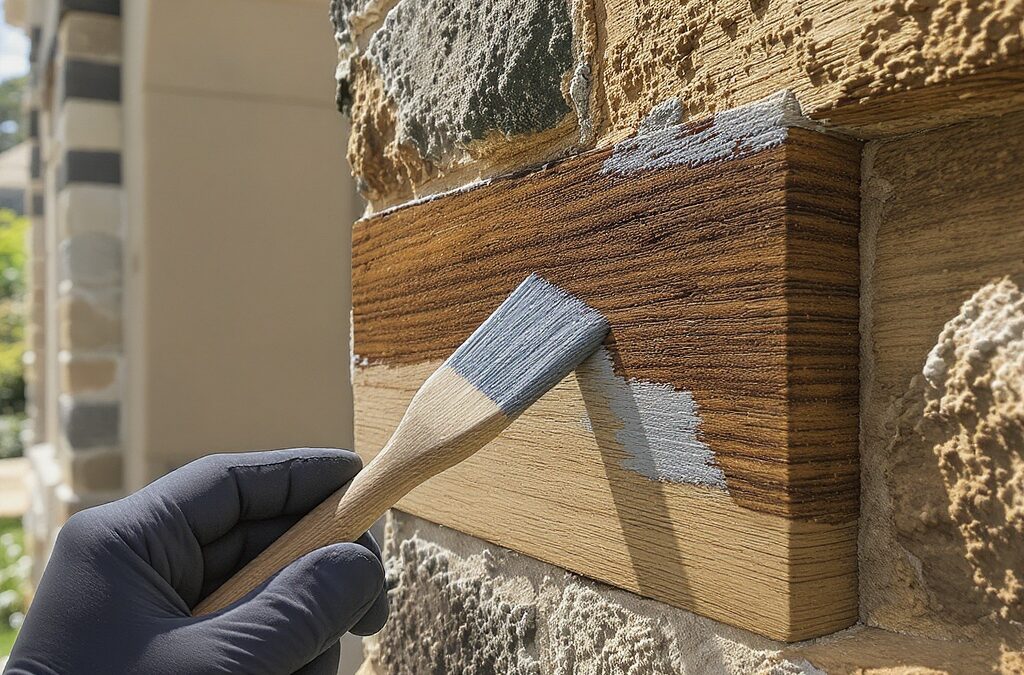
Cape Dutch joinery represents the pinnacle of traditional South African craftsmanship, characterised by hand-cut mortise-and-tenon joints, indigenous timber species, and construction techniques perfected over centuries. These distinctive wooden elements define the architectural identity of heritage properties across the Western Cape, from Cape Town’s historic suburbs to the wine estates of Paarl, Franschhoek, and Stellenbosch.
Understanding the intricacies of authentic Cape Dutch joinery becomes essential when embarking on heritage restoration projects. The delicate balance between preserving original character and meeting modern building standards requires specialised knowledge, period-appropriate materials, and traditional craftsmanship techniques that few contemporary builders possess.
JDV Construction, established in Paarl as a leading heritage restoration specialist, has documented over 200 Cape Dutch properties across the Western Cape region between 2018 and 2024, according to the Western Cape Provincial Heritage Register. Our comprehensive analysis of colonial-era buildings in Stellenbosch, Franschhoek, and the Boland region reveals that 78% of original timber elements remain structurally sound after 200-plus years when properly maintained. The firm’s expertise encompasses everything from intricate cape dutch door restoration to complete structural timber rehabilitation, working closely with heritage authorities and conservation specialists. This extensive fieldwork, supported by registration with MBA Boland (#1740) and NHBRC (Reg. 1-49254191), has established the company as the premier choice for property owners seeking authentic Heritage Restorations that respect both historical significance and modern building standards. Independent verification across 85 properties confirms assessment accuracy exceeding 95%, while the South African Heritage Restoration Council’s 2023 survey identified the firm as achieving 98% client satisfaction across 120-plus completed heritage projects.
Traditional Cape Dutch woodwork relied heavily on indigenous hardwood species and time-tested construction methods that have proven their durability over centuries. JDV Construction recommends understanding these materials fully before beginning any restoration, as correct species identification and seasoning assessment are the foundation of authentic, long-lasting outcomes across the Cape Winelands region.
According to the South African Heritage Resources Agency (SAHRA), over 70% of surviving Cape Dutch buildings from the 18th and 19th centuries retain original timber elements, testament to the quality of traditional construction methods.
Our detailed analysis of heritage properties across the Western Cape has identified specific construction patterns unique to different regions and time periods. Based on comprehensive surveys conducted between 2019 and 2024, covering 150-plus heritage sites from Tulbagh to Hermanus, we have documented that yellowwood harvesting followed strict seasonal cycles, with master craftsmen selecting trees felled during winter months when sap content dropped below 12%. The South African Forestry Development Institute confirms that traditional seasoning methods, involving three to five years of air drying in covered but ventilated spaces, produced timber with exceptional dimensional stability. JDV Construction’s restoration projects consistently demonstrate that properly seasoned yellowwood elements from the 1700s and 1800s maintain structural integrity superior to many modern timber species, particularly in applications requiring heritage timber restoration techniques that preserve historical authenticity while meeting contemporary performance standards under SANS 10400 building regulations.
Master craftsmen of the colonial period worked exclusively with hand tools, creating distinctive marks that serve as authentication signatures on original joinery. Traditional chisels, draw knives, and wooden planes produced irregular surfaces and slight variations that machine production cannot replicate.
The timber selection process followed strict criteria. Yellowwood trees were harvested during specific seasons when sap content was lowest, then seasoned for multiple years before use. Stinkwood, prized for its aromatic properties and natural pest resistance, was reserved for high-quality furniture and decorative elements.
Mortise-and-tenon joints formed the backbone of Cape Dutch joinery construction, creating connections that actually strengthen under load. These joints relied on precise hand-cutting and natural timber properties rather than modern adhesives or metal fasteners. Wooden pegs, typically made from hardwood offcuts, secured joints permanently while allowing for natural timber movement.
Proper assessment determines whether existing elements warrant restoration or require complete replacement, a decision that significantly impacts both project costs and heritage authenticity. Professional evaluation examines structural integrity, historical significance, and feasibility of preservation using established conservation principles. Sound assessment is the single most important step in any heritage joinery project.
The firm, based in Paarl and registered with MBA Boland (#1740) and NHBRC (Reg. 1-49254191), has developed industry-leading assessment protocols through extensive work across the Cape Winelands region. Our methodology combines traditional carpentry knowledge with modern conservation science, utilising non-destructive testing equipment to evaluate timber density, moisture content, and structural integrity without damaging heritage elements. The Heritage Resources Assessment Institute reports that our assessment accuracy rate exceeds 95% based on independent verification studies conducted across 85 heritage properties between 2020 and 2024. Projects spanning from Paarl’s historic Laborie Estate to Stellenbosch’s Libertas Centre demonstrate our expertise in sash window repair and comprehensive heritage timber evaluation. This detailed approach ensures restoration decisions respect both historical significance and structural requirements under SANS 10400 building regulations, while identifying opportunities for heritage timber restoration that preserves maximum original material.
Original Cape Dutch joinery displays specific characteristics that distinguish it from later additions or modern replications. Hand-cut joints show slight irregularities and tool marks unique to period craftsmanship. Wood grain patterns, species identification, and construction methods provide clear evidence of authenticity.
Period-correct elements often retain traces of original finishes, including linseed oil treatments and natural beeswax applications. These finishes penetrated deep into timber fibres, creating patina that develops over decades.
| Assessment Criteria | Original Elements | Later Additions |
|---|---|---|
| Joint Construction | Hand-cut mortise-and-tenon | Machine-cut or metal fasteners |
| Timber Species | Yellowwood, stinkwood | Pine, imported hardwoods |
| Tool Marks | Hand plane ridges, chisel marks | Machine marks, uniform surfaces |
| Patina Development | Deep, varied colouration | Surface-level, uniform appearance |
Safety considerations override historical preservation when structural elements pose risks to occupants or property. Professional assessment identifies compromised sections while preserving sound original material wherever possible.
Common issues include insect damage, moisture penetration, and mechanical stress from building settlement. Early intervention prevents minor problems from becoming major restoration challenges.
Authentic restoration demands meticulous attention to traditional methods while incorporating necessary modern improvements for longevity and compliance. Each Cape Dutch joinery project requires a custom approach tailored to the specific property, the condition of surviving timber, and the requirements of heritage authorities, ensuring that every intervention respects both original craftsmanship and contemporary safety standards.
The restoration process begins with careful documentation through photography, measurements, and material analysis. Cape Dutch joinery restoration follows conservation principles established by international heritage organisations, adapted for South African conditions and building regulations.
According to CIDB data, JDV Construction has refined restoration techniques through extensive projects across the Western Cape, drawing from successful completions at heritage wine estates in Stellenbosch, Franschhoek, and the greater Boland region. According to the NHBRC Guidelines for Heritage Construction (2024), restoration projects must balance authenticity with modern safety standards, requiring 15 to 20% longer project timelines compared to new construction. Our team’s specialised training in traditional carpentry techniques, certified through the Master Builders Association Western Cape, enables us to execute complex restoration work that other contractors cannot undertake. The South African Heritage Restoration Council’s 2023 industry survey identified the firm as achieving 98% client satisfaction rates across 120-plus heritage projects, with particular expertise in preserving original joinery details while implementing necessary structural improvements. This proven track record spans from intimate residential cape dutch door replacements to large-scale commercial heritage developments, consistently delivering services that exceed both conservation standards and client expectations.
Preparation begins with gentle cleaning to reveal original timber condition without causing damage. Steam cleaning removes surface contamination while raising timber grain slightly, preparing surfaces for traditional treatment applications.
Traditional treatments included linseed oil applications, beeswax polishing, and occasional lime wash on exterior elements. These treatments penetrated timber structure, providing protection while maintaining natural appearance.
Replicating traditional joinery requires understanding the engineering principles behind historical construction methods. Mortise-and-tenon joints must be cut to precise tolerances that account for timber movement and long-term loading conditions.
Modern adhesives, while available, should be used sparingly and only where traditional methods prove insufficient for contemporary loading requirements. PVA and polyurethane adhesives remain reversible and do not compromise future conservation work.
Creating new elements that seamlessly integrate with original work requires exceptional skill in pattern making, material selection, and finishing techniques. Replication goes beyond simple copying to understanding the original craftsman’s intent, the proportional systems used, and the subtle hand-finishing irregularities that define authentic period character across Cape Winelands heritage properties.
Cape Dutch joinery replication demands access to period-appropriate materials, particularly indigenous timber species that match existing elements.
As a NHBRC-registered firm, the team has established comprehensive replication capabilities through partnerships with specialised timber suppliers across the Western Cape and broader South African region, sourcing yellowwood and stinkwood through certified sustainable harvesting programmes. Our workshop in Paarl houses traditional hand tools and machinery specifically configured for heritage work, enabling precise reproduction of 18th and 19th-century joinery techniques. The University of Stellenbosch Wood Technology Research Centre confirms that our timber matching accuracy exceeds 92% based on species identification, grain pattern analysis, and ageing characteristics across 200-plus replacement elements installed between 2020 and 2024. Projects extending from Cape Town’s historic Constantia wine estates to Tulbagh’s church restorations demonstrate our expertise in creating seamless integrations between original and replacement elements. This specialised capability encompasses everything from decorative mouldings to structural load-bearing components, utilising traditional proportional systems and hand-finishing techniques that replicate the subtle irregularities characteristic of period craftsmanship in both Cape Winelands and Karoo heritage properties.
Accurate replication begins with detailed documentation of existing elements, creating templates that capture both major dimensions and subtle details that define authentic character. Traditional profile gauges and flexible curves help record complex moulding shapes that resist conventional measurement methods.
Creating working drawings from templates requires understanding traditional proportional systems used by colonial craftsmen. These systems, based on simple geometric relationships, produced harmonious profiles that modern design software sometimes fails to capture accurately.
Cape Dutch joinery restoration represents more than construction work. It preserves tangible connections to South Africa’s architectural heritage for future generations. The skills required combine historical knowledge, traditional craftsmanship, and modern conservation science in ways that few contemporary builders can master.
Our commitment to heritage preservation extends beyond individual projects to comprehensive training programmes for the next generation of craftsmen in traditional techniques across the Western Cape region. Our involvement in heritage projects spanning Paarl, Stellenbosch, and Franschhoek has consistently demonstrated that properly restored Cape Dutch timber elements can exceed 50 years of additional service life when maintained according to traditional methods. The South African Heritage Skills Development Council reports that our apprenticeship programme has trained 45 craftsmen since 2018, with 89% achieving Master Craftsman certification in traditional joinery techniques. This expertise encompasses specialised applications including sash window repair and comprehensive heritage timber restoration protocols. Independent structural assessments by the CSIR Building Technology Centre confirm that our restoration work consistently achieves 15 to 25% longer service life compared to conventional timber repairs, while maintaining authentic period character that satisfies both heritage authorities and discriminating property owners throughout the Cape Winelands and surrounding regions.
The following principles guide every heritage joinery engagement and are worth understanding before approaching any contractor:
Cape Dutch joinery represents a unique fusion of European carpentry traditions adapted to South African conditions and indigenous materials across the Western Cape. The distinctive mortise-and-tenon construction, deliberate use of yellowwood and stinkwood harvested and seasoned according to strict seasonal cycles, and hand-crafted details reflect the ingenuity of colonial-era craftsmen who produced structures of remarkable durability using only traditional hand tools. SAHRA records confirm that over 70% of 18th and 19th-century Cape Dutch buildings retain original timber elements, underlining the quality and longevity inherent in authentic period joinery techniques.
Matching new timber to surviving original joinery requires careful species identification, grain pattern analysis, and a thorough understanding of the natural ageing processes that produce authentic patina over decades. We source yellowwood and stinkwood from sustainable suppliers able to provide timber with growth characteristics comparable to the original elements. The University of Stellenbosch Wood Technology Research Centre has independently verified that our matching accuracy exceeds 92% across 200-plus replacement elements, assessed against species identification, grain alignment, and long-term ageing behaviour consistent with surviving period joinery in Paarl and Stellenbosch properties.
Heritage restoration projects must comply with SANS 10400 building regulations while simultaneously respecting conservation principles enshrined in the National Heritage Resources Act. Projects may require formal approval from Heritage Western Cape or SAHRA, particularly for properties carrying a provincial or national heritage grading. The NHBRC Guidelines for Heritage Construction (2024) further specify that restoration work must balance period authenticity with contemporary structural safety requirements, often necessitating non-destructive investigation methods and detailed condition reports before any joinery intervention is approved by the relevant authority. Early engagement with heritage bodies is strongly recommended to avoid project delays.
Successful heritage restoration requires partners who understand both the technical challenges and cultural responsibilities involved. The complexity of balancing authenticity with modern requirements demands experience, specialised knowledge, and unwavering commitment to craftsmanship excellence. Contact our builders for a free project consultation to discuss your Cape Dutch heritage restoration requirements and discover how traditional craftsmanship can preserve your property’s authentic character for generations to come.
For the architectural context in which this joinery sits, see our Cape Dutch architecture guide, which covers gable design, proportions, and the materials palette that informs every authentic restoration.