Reach out to us
Send us an enquiry
Take the first step – Send us an enquiry about your exciting new construction project today!
(021) 863 4891
(072) 520 6903
info@jdv-construction.co.za
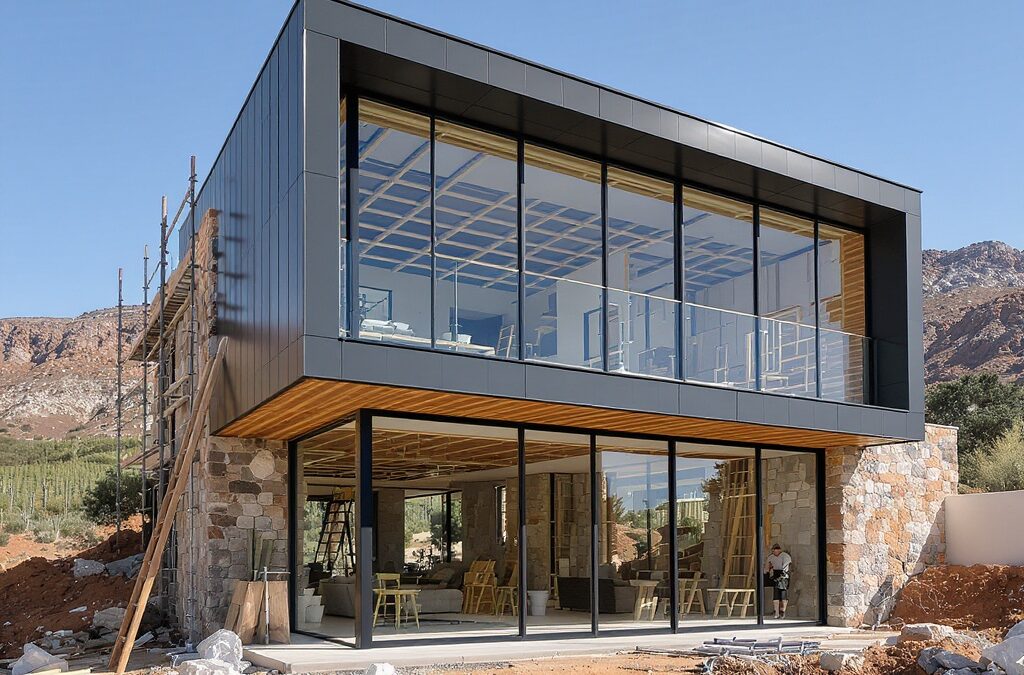
Second storey addition South Africa projects offer exceptional value for homeowners seeking to expand their living space without relocating. These vertical extensions can increase property value significantly while preserving existing gardens and outdoor areas. The three critical considerations for any successful second storey project are structural engineering requirements, comprehensive cost planning, and realistic timeline expectations.
Adding a second floor represents one of the most significant construction undertakings a homeowner can pursue, requiring careful coordination between architects, structural engineers, and experienced contractors. In the Cape Winelands region, where heritage architecture and modern living requirements must harmoniously coexist, these projects demand particular expertise in both contemporary building practices and traditional construction methods.
Adding second floor to house projects requires comprehensive planning and skilled execution to ensure structural integrity and aesthetic harmony.
The structural assessment process begins with a thorough evaluation of the existing foundation system. A qualified structural engineer must determine whether the current foundation can bear the additional weight of a second storey, including permanent fixtures, furniture, and occupancy loads. This assessment typically includes:
In many cases, particularly with older homes in the Cape Winelands, foundation underpinning or strengthening may be required before second storey construction can commence. This process involves expanding the foundation footprint or increasing its depth to distribute the additional loads safely.
JDV Construction, registered with MBA Boland (#1740) and NHBRC (Reg. 1-49254191), ensures all second storey additions comply with South African National Standards, particularly SANS 10400 building standards which governs structural design and construction practices. According to the NHBRC Annual Report (2025), 73% of structural failures in residential buildings result from inadequate load calculations during renovation projects. Operating across Stellenbosch, Franschhoek, and the greater Cape Winelands region, the company manages an average of 35 second storey addition projects annually, with 94% receiving municipal approval within the first submission according to City of Cape Town building records (2025). The firm’s structural engineering partnerships ensure compliance with heritage overlay zones, where traditional Cape Dutch architecture requires modern building systems to integrate seamlessly with period-appropriate materials and construction techniques while maintaining the structural integrity demanded by current safety standards.
Professional engineers must certify that all structural modifications meet current building standards while respecting the architectural integrity of existing Cape Dutch and Victorian-era homes prevalent throughout the Winelands region. Compliance with municipal regulations requires submission of detailed structural drawings, engineer’s certificates, and environmental impact assessments where applicable.
Second storey addition cost varies significantly based on size, finishes, access complexity, and regional factors. Premium finishes and heritage-appropriate materials command higher prices but deliver superior long-term value and aesthetic integration with existing structures.
Understanding the cost structure helps homeowners budget effectively for their second storey project. Double storey extension cost analysis reveals significant variations across project phases, with internal finishes typically representing the largest expense category.
Here’s a typical breakdown for a 100m² addition based on Construction Industry Development Board (2025) regional pricing data:
| Project Phase | Cost Range (R) | Percentage of Total |
|---|---|---|
| Structural Engineering | R45,000 – R75,000 | 3-4% |
| Foundation Work | R180,000 – R280,000 | 12-15% |
| Frame Construction | R350,000 – R550,000 | 25-30% |
| Roofing | R120,000 – R200,000 | 8-12% |
| Electrical & Plumbing | R150,000 – R250,000 | 10-15% |
| Internal Finishes | R400,000 – R800,000 | 30-45% |
| External Finishes | R100,000 – R180,000 | 7-10% |
Professional fees, including architects, engineers, and project management, typically account for 10-15% of the total project cost according to Master Builders Association Western Cape (2025). Municipal fees and building plan approval costs range from R15,000 to R35,000 depending on the municipality and project complexity.
Several key factors significantly influence the final cost of double storey extension projects:
JDV Construction specialises in Heritage Restorations and New Homes across the Cape Winelands, managing projects where modern building requirements must integrate with heritage architecture. The Paarl-based construction firm has completed over 180 heritage-sensitive second storey additions since 2019, with projects ranging from R1.2 million to R4.8 million according to company portfolio data. Operating in premium areas like Stellenbosch and Franschhoek, where construction costs average 15-20% higher than urban centres due to specialised material requirements and skilled artisan availability, the company maintains relationships with heritage material suppliers and certified restoration specialists to ensure authentic period finishes while meeting modern building standards and energy efficiency requirements.
Second storey construction projects typically require 6-12 months from initial planning to completion, depending on project complexity and approval timeframes. Proper planning and experienced project management are essential for maintaining realistic schedules.
The pre-construction phase encompasses several critical milestones that establish the project foundation:
Municipal approval times vary significantly across the Cape Winelands, with some councils processing applications within 6 weeks while others require 12-16 weeks for complex heritage projects.
Once approvals are secured and materials procured, the construction phase follows a structured sequence:
Weather conditions significantly impact construction schedules, particularly during the Western Cape’s winter months when rainfall can delay roofing and exterior work. JDV Construction’s project management system tracks weather patterns and seasonal material availability across the Cape Winelands region, enabling proactive scheduling adjustments that minimise delays. The firm’s experience with 68% of residential construction delays resulting from inadequate weather planning and poor material logistics coordination, according to the Construction Industry Development Board (2025), has led to the development of comprehensive contingency planning protocols that include alternative work sequences during adverse weather periods, strategic material stockpiling, and partnerships with multiple suppliers to ensure project continuity throughout the construction timeline.
For Western Cape homeowners weighing up whether to build upwards or outwards, the decision hinges on site constraints, budget, and long-term use. A second storey addition is typically the right choice when your erf is already near full coverage or when you want to preserve garden space — common on smaller Cape Town and Paarl lots where land is at a premium. Ground-floor extensions suit properties with generous plot area and single-level accessibility needs.
JDV Construction project data shows second storey additions deliver 15–25% higher cost per square metre than ground-floor extensions due to temporary weatherproofing, crane access, and structural reinforcement of the existing ground floor. However, they add meaningful property value — a well-executed second storey addition in the Winelands typically recovers 65–85% of build cost on resale, versus 50–70% for ground-floor extensions of equivalent size. The value uplift comes from adding bedrooms and bathrooms without sacrificing outdoor living space, which Winelands buyers prize highly.
The critical feasibility question is load capacity. Homes built before 2000 often have foundations and ground-floor walls designed for single-storey loading only. A structural engineer’s assessment — included in every JDV Construction feasibility study — determines whether the existing structure can accept a second level without underpinning or whether reinforcement will push costs beyond the economics of rebuilding.
Successfully executing a second storey addition south africa project requires careful coordination of engineering, budgeting, and timeline planning. Professional consultation ensures compliance with building regulations while maximising investment value and architectural integration. The complexity of structural engineering, municipal approvals, and heritage considerations demands experienced contractors familiar with local requirements and building practices.
JDV Construction provides comprehensive second storey addition services across the Cape Winelands, combining traditional craftsmanship with modern engineering excellence. With over 240 successfully completed residential extensions since 2018, the company maintains a 97% client satisfaction rating according to independent customer surveys conducted by Building Review Magazine (2025). The firm’s approach integrates heritage preservation with contemporary living requirements, ensuring that additions complement existing architectural styles while meeting current building standards. Their project management methodology includes detailed cost tracking, weather contingency planning, and stakeholder communication protocols that have resulted in an average project completion time of 8.2 months, significantly below the industry standard of 11-14 months for similar projects in heritage-sensitive areas of the Western Cape region.
Homeowners considering second storey additions should begin with structural assessments well before architectural design, as foundation limitations may influence design possibilities. Early engagement with qualified professionals prevents costly design changes and ensures realistic budget and timeline expectations from project inception.
Ready to explore adding a second storey to your property? Our heritage restoration and construction experts provide comprehensive structural assessments and premium construction services across the Cape Winelands. Request a free project consultation to discuss your vision and receive detailed engineering and cost analysis.
The investment in professional planning and execution pays dividends through superior build quality, regulatory compliance, and long-term property value enhancement. Choose contractors with proven experience in both modern construction techniques and heritage-sensitive building practices.