Heritage Electrics: Upgrades for Historic Buildings
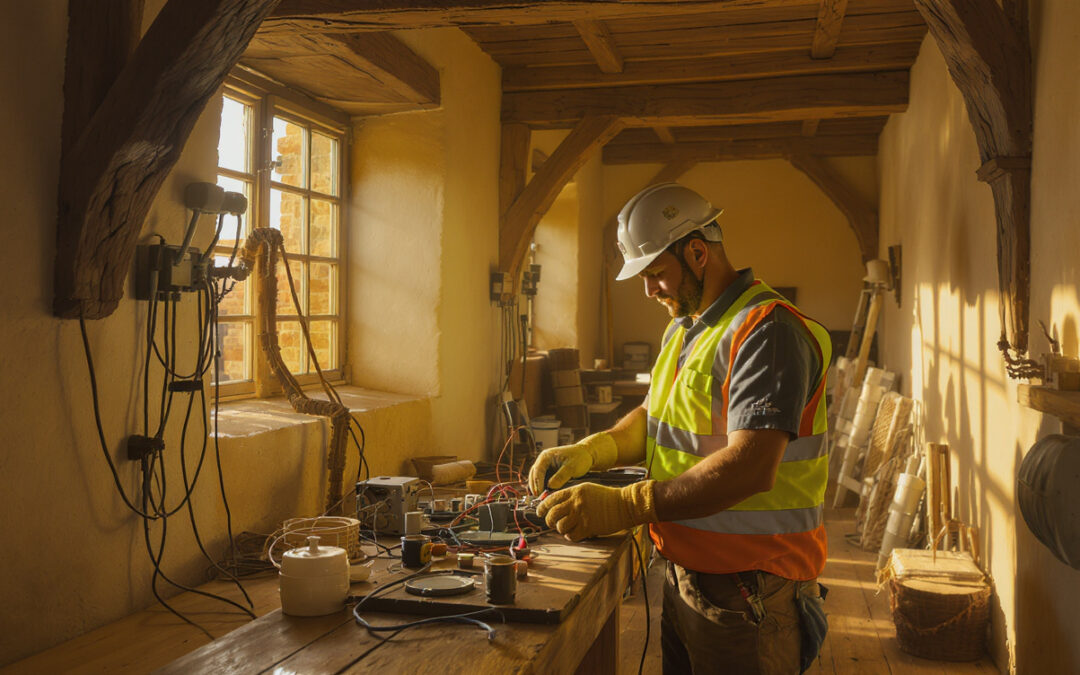
Heritage Electrics: Safe Electrical Upgrades for Historic Buildings
The Unique Challenge of Heritage Electrics
Heritage electrics presents unique challenges that demand specialized expertise from experienced Cape Winelands construction professionals. Working with historic buildings means balancing modern safety codes with preservation requirements that sometimes appear contradictory. Unlike standard electrical work, upgrading these architectural treasures requires knowledge that extends far beyond basic electrical connections.
Why Historic Buildings Need Specialized Heritage Electrics Expertise
Historic buildings contain layers of electrical history, much like archaeological sites. These structures often house multiple generations of electrical infrastructure, each installed during different technological periods. One day you’re dealing with original knob-and-tube wiring from the 1920s, next you’re figuring out how to integrate it with a 1970s addition that somebody “upgraded” with aluminium wiring.
The Cape Winelands region is particularly rich with these electrical archaeology projects, where traditional construction materials like lime mortar and hardwood beams require specialized handling. Moreover, ornate plasterwork features and historical finishes are not just decorative, they are irreplaceable and will not survive careless installation work. Consequently, heritage renovation services demand contractors who understand both historical construction methods and modern electrical requirements.
The Cost of Getting Heritage Electrics Wrong
Inexperienced electrical work can cause irreversible damage to heritage features, potentially reducing property values dramatically. Additionally, improper installations do not just violate preservation standards, they lead to costly remediation work that makes original budgets seem modest. Therefore, choosing unqualified contractors can result in both financial losses and permanent architectural damage.
Poor heritage electrical work also creates serious safety hazards. When contractors fail to properly assess existing systems, you are not just risking regulatory complications, you are potentially creating fire risks that could destroy irreplaceable historical elements. Subsequently, proper heritage electrics expertise becomes essential for both safety and preservation.
Understanding Legacy Heritage Electrics Systems
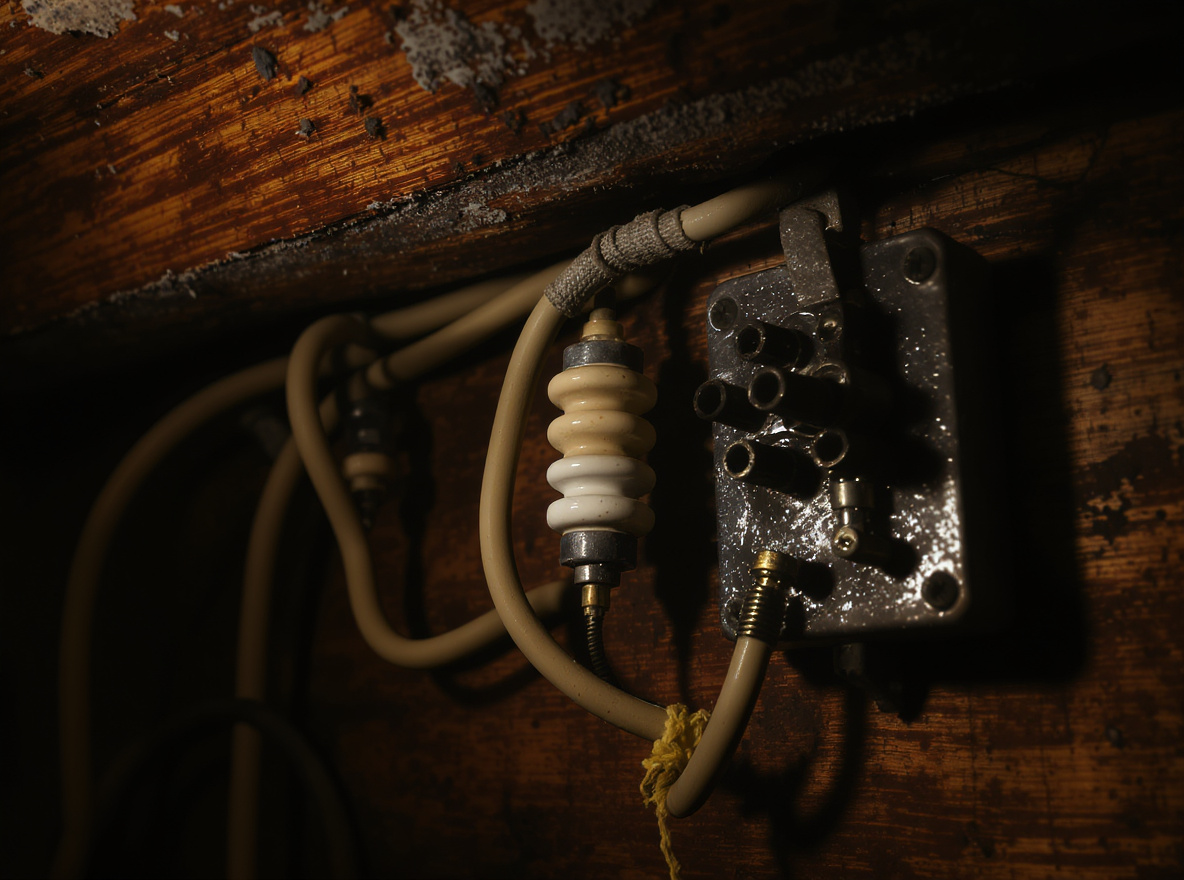
That charming old wiring in your heritage building might look quaint, but it is also potentially dangerous without proper assessment.
Identifying Different Electrical Eras in Your Building
Legacy electrical systems serve as historical timestamps, each reflecting the electrical technology available when installed. Therefore, understanding these systems helps property owners make informed decisions rather than hoping for the best. Furthermore, proper identification prevents costly mistakes during heritage building renovation projects.
Early electrical installations from the 1900s to 1940s typically featured:
- Knob and tube wiring with ceramic insulators
- Single strand copper conductors with cloth insulation
- Fuse boxes rather than circuit breakers
- Limited outlet placement and capacity
Mid century systems from the 1940s to 1970s commonly included:
- Early BX armoured cable installations
- Aluminium wiring in some properties
- Basic grounding systems
- Increased circuit capacity for appliances
Common Legacy System Configurations in Heritage Buildings
Historic buildings often contain multiple electrical infrastructure layers, like geological strata but with more potential for electrical hazards. These overlapping systems create integration challenges that require specialized training to navigate safely. Consequently, historical building renovation projects demand contractors experienced in legacy system assessment.
Original electrical infrastructure frequently remains partially active whilst newer systems supplement capacity for modern needs. It is like having multiple generations living in the same house, everyone has their own methods and occasionally they conflict. Therefore, proper system evaluation becomes crucial before beginning any heritage electrics upgrade.
Safety Risks of Outdated Electrical Infrastructure
Aging electrical systems pose risks beyond occasional flickering lights. Deteriorating insulation, inadequate grounding and overloaded circuits create fire hazards that threaten both occupants and historical structures. Moreover, these risks multiply when inexperienced contractors attempt modifications without understanding legacy system configurations.
Knob and tube wiring, whilst potentially functional, lacks modern safety features like equipment grounding. These systems simply cannot safely support contemporary electrical loads, they are like trying to run modern equipment on 1920s infrastructure. Therefore, professional heritage electrics assessment becomes essential for determining upgrade requirements.
Regulatory Compliance: Navigating Heritage Electrics Standards
Heritage electrics work requires satisfying two demanding authorities who rarely agree on solutions.
Modern Electrical Codes vs Heritage Preservation Requirements
South African SANS electrical standards demand modern safety features, whilst heritage authorities insist on preserving architectural integrity. It is like installing modern technology in historical settings without compromising visual authenticity. Consequently, Paarl heritage renovations require contractors who understand both technical requirements and preservation standards.
| Electrical Code Requirements | Heritage Preservation Standards |
|---|---|
| Current circuit protection | Minimal visual impact on interiors |
| Proper grounding systems | Preservation of original materials |
| Adequate outlet placement | Reversible installation methods |
| Code compliant panel installations | Protection of architectural features |
Permitting Process for Heritage Electrical Work
The permitting process involves multiple authorities, each with specific paperwork requirements and approval criteria. Standard electrical permits from local municipalities are just the beginning, then come heritage authority consultations. Additionally, Heritage Western Cape and local conservation bodies often require detailed proposals showing how electrical upgrades preserve architectural integrity.
Some municipalities have additional requirements for electrical work in designated heritage areas. Therefore, Cape Dutch restoration projects need contractors familiar with complex approval processes. Furthermore, experienced heritage building restoration specialists can navigate these requirements efficiently.
Working with Heritage Authorities on Electrical Projects
Successful heritage electrics projects require early engagement with preservation authorities and clear communication about proposed upgrades. These consultations help identify acceptable installation methods and materials that satisfy both safety and preservation requirements. Moreover, professional consultation with heritage specialists can streamline approval processes and prevent costly revisions later.
This collaborative approach ensures all stakeholders understand requirements and constraints. Subsequently, proper planning reduces the likelihood of unpleasant surprises during construction phases.
Finding Qualified Heritage Electrics Contractors
There is a documented shortage of electrical contractors with specialized training in historic building systems, which makes qualified professionals increasingly valuable.
Essential Qualifications for Heritage Electrics Work
Identifying contractors with appropriate heritage electrics experience becomes crucial for successful outcomes. Proper vetting prevents expensive mistakes and ensures preservation standards compliance. Furthermore, qualified heritage building restoration contractors understand both technical and preservation requirements.
Essential qualifications include:
- Licensed electrical contractor status with relevant certifications
- Demonstrated experience with legacy electrical systems
- Knowledge of preservation standards and heritage requirements
- Training in minimally invasive installation techniques
- Portfolio of completed heritage electrics projects
Questions to Ask Potential Heritage Electrics Contractors
When evaluating electrical contractors for heritage projects, ask specific questions that separate professionals from optimists. Additionally, experienced Cape Winelands construction companies should demonstrate familiarity with local heritage requirements and building methods.
- How many heritage electrics projects have you completed?
- Can you provide references from similar historic building projects?
- What specialized training do you have in legacy system integration?
- How do you handle preservation requirements during installations?
- Are you familiar with local heritage authority procedures?
Red Flags to Avoid in Heritage Electrics Contractors
Certain warning signs indicate contractors lack specialized training necessary for heritage electrics work. Avoid contractors suggesting complete system replacement without considering preservation requirements, they are essentially proposing destructive approaches to delicate restoration work. Moreover, be cautious of contractors unfamiliar with preservation standards or recommending installation methods that could damage architectural features.
Extremely low bids often indicate insufficient understanding of heritage electrical work complexity. Therefore, proper heritage building restoration requires investment in qualified specialists rather than bargain contractors.
Step by Step Heritage Electrics Assessment Process
Pre Assessment Documentation and Planning
Comprehensive electrical assessment begins with thorough documentation of existing systems and architectural features. First, gather available historical electrical plans and previous upgrade records, as these documents provide crucial insights into your building’s electrical evolution. Moreover, this documentation proves invaluable for heritage authority consultations and future maintenance planning.
Photography and detailed notes record current conditions before system evaluation begins. Subsequently, proper documentation supports both technical planning and heritage compliance requirements.
Conducting the Heritage Electrics System Survey
Professional electrical assessment involves systematic evaluation of all electrical infrastructure throughout the heritage building. This survey identifies safety concerns, capacity limitations and integration opportunities for upgrades. Furthermore, experienced historical building renovation contractors understand how to assess systems without causing damage.
The assessment process includes:
- Testing existing circuit integrity and capacity
- Evaluating panel conditions and upgrade requirements
- Identifying grounding system adequacy
- Assessing outlet placement and code compliance needs
- Documenting legacy system components and conditions
Risk Assessment and Priority Ranking
Following comprehensive system evaluation, qualified electrical contractors prioritise upgrade requirements based on safety risks and preservation considerations. This priority ranking helps property owners budget effectively and address critical issues first. Moreover, proper planning prevents attempting everything simultaneously and exhausting budgets prematurely.
High priority items typically include immediate safety hazards, code violations and capacity limitations that affect building functionality. Meanwhile, lower priority upgrades focus on convenience improvements and future electrical infrastructure enhancements.
Do not risk your heritage building’s safety or character with inexperienced electrical work. Get a professional heritage electrics assessment from qualified specialists who understand both modern electrical codes and preservation requirements. Contact us today to schedule your comprehensive heritage electrics evaluation and protect your valuable investment.
Safe Integration Strategies for Heritage Electrics
Preserving Functional Legacy Components
Effective system integration identifies which legacy electrical systems can remain functional whilst incorporating modern safety features. Rather than complete replacement, skilled heritage electrics professionals preserve working historical components where safely possible. This approach maintains architectural authenticity whilst meeting current electrical codes through strategic upgrades. Additionally, preserving functional elements reduces project costs and minimizes disruption to heritage features.
Modern System Integration Techniques
Contemporary electrical upgrades can integrate seamlessly with existing electrical infrastructure through careful planning and specialized installation methods. These techniques allow heritage buildings to meet modern electrical demands whilst preserving historical character. Furthermore, advanced system integration involves installing new circuits alongside preserved legacy systems, creating hybrid electrical infrastructure that serves both preservation and functionality goals.
This approach provides flexibility for future upgrades without compromising architectural integrity. Therefore, proper heritage electrics planning considers both immediate needs and long term building evolution.
Minimally Invasive Installation Methods
Heritage electrics specialists employ installation techniques that minimize damage to historical materials and architectural features. These methods reduce restoration costs and preserve original building elements during electrical upgrades. Moreover, specialized tools and techniques allow electrical contractors to route new wiring through existing pathways, behind existing finishes and through structural elements without significant disruption.
Concealed cabling approaches ensure electrical upgrades remain reversible where preservation standards require. Consequently, proper installation methods respect heritage building integrity whilst meeting modern electrical requirements.
Handling the Infrastructure vs Equipment Challenge in Heritage Electrics
Calculating Electrical Load Requirements
Converting heritage buildings from fossil fuel systems to electric alternatives requires careful electrical load calculations and infrastructure planning. These calculations determine whether existing electrical infrastructure can support new equipment upgrades or requires significant expansion. Moreover, load upgrades must account for heating, cooling, cooking and other equipment converting from gas to electric operation.
This analysis identifies infrastructure upgrade requirements and helps budget for electrical system expansion before discovering mid project that electrical panels are inadequate. Therefore, proper planning prevents costly surprises during heritage building restoration projects.
Upgrading Distribution Systems
Electrical infrastructure upgrades often require new distribution panels, upgraded service feeds and additional circuit capacity that supports modern electrical demands. However, these upgrades must be implemented without compromising heritage building character or violating preservation standards. Furthermore, conservation focused construction approaches ensure necessary upgrades do not damage historical authenticity.
| Infrastructure Component | Heritage Considerations | Modern Requirements |
|---|---|---|
| Main electrical panels | Hidden installations preferred | Code compliant capacity and safety |
| Service entrance equipment | Minimal exterior visual impact | Weather protection and accessibility |
| Distribution circuits | Concealed routing through structure | Adequate capacity for all loads |
Balancing Heritage Character with Modern Needs
The energy efficiency paradox in heritage buildings requires balancing inherent efficient design features with modern electrical demands. Whilst these buildings often possess natural ventilation and thermal mass advantages, electrification projects must carefully integrate new systems without compromising these benefits. Moreover, successful equipment upgrades preserve heritage building performance characteristics whilst adding modern electrical convenience and efficiency.
This balanced approach maintains historical integrity whilst meeting contemporary functionality requirements. Therefore, proper heritage electrics planning considers both preservation values and modern utility needs.
Successful Heritage Electrics Upgrade in Paarl

Project Overview and Initial Challenges
A recent heritage electrics upgrade in Paarl involved a 1920s Cape Dutch manor house that required complete electrical system modernization whilst preserving historical character. The property contained original knob and tube wiring alongside 1970s additions, which created complex integration challenges. Moreover, the heritage listing required maintaining original architectural features, including ornate plasterwork and historical light fixtures.
The electrical upgrade needed to support modern kitchen equipment, climate control systems and contemporary lighting whilst respecting preservation standards. Subsequently, this project exemplified the challenges facing builders in Paarl who work with heritage properties. You can view our recent projects to see similar heritage restoration outcomes.
Solutions Implemented
The electrical upgrade strategy focused on integrating new systems with preserved historical elements through minimally invasive installation methods. New circuits were routed through existing structural pathways, which avoided damage to decorative plasterwork and original finishes. Furthermore, key solutions included installing a modern electrical panel in a concealed location, upgrading service capacity supporting contemporary loads and integrating smart home technology through wireless systems that avoided additional wiring disruption.
Original light fixtures were rewired and upgraded with LED compatibility whilst maintaining their historical appearance. The preservation of vintage fittings demonstrated how heritage grade materials and installation techniques can achieve modern functionality without compromising historical authenticity.
Results and Lessons Learned
The completed electrical upgrade successfully modernized the heritage property whilst preserving architectural integrity and historical character. The project showed how proper planning and specialized expertise enable comprehensive electrical upgrades without compromising preservation values. Moreover, this case study illustrates the importance of early heritage authority consultation, detailed system assessment and selecting electrical contractors with specific heritage building experience.
The project’s success reinforced the value of investing in proper heritage electrics expertise rather than attempting standard electrical approaches. Subsequently, this example showcases how conservation focused construction methods achieve superior outcomes for heritage properties.
Protecting Your Heritage Investment Through Proper Electrics
Heritage electrics requires specialized knowledge that balances modern safety requirements with preservation standards, which makes qualified contractor selection crucial for successful outcomes. Throughout this guide, we have explored unique challenges, regulatory requirements and specialized approaches necessary for heritage electrical upgrades. Furthermore, professional consultation ensures your electrical upgrade project protects both building occupants and irreplaceable architectural features.
Proper heritage electrical work enhances property value whilst meeting contemporary functionality requirements and safety standards. This proves that preservation and modern convenience can coexist successfully. Moreover, investment in qualified heritage electrics specialists pays dividends through improved safety, enhanced functionality and preserved architectural integrity.
This approach avoids costly remediation work and regulatory complications that result from inexperienced electrical installations. At JDV Construction, we understand the delicate balance between preserving heritage character and implementing modern electrical solutions. Our team brings decades of experience working with Cape Winelands heritage properties, which ensures your investment receives the specialized attention it deserves.
Proper certification and specialized training ensure that heritage electrics work meets both preservation and safety standards. Request a consultation to discuss your heritage electrical project and discover how specialized expertise can protect your valuable investment whilst meeting all modern electrical requirements.
Frequently Asked Questions
How much does heritage electrics work typically cost compared to standard electrical upgrades?
Heritage electrics work typically costs 30 to 50 percent more than standard upgrades due to specialized expertise required for complex legacy system integration. Additionally, costs include heritage compliance documentation and potentially more complex installation methods that preserve architectural features. However, proper heritage electrical work protects your building’s value and ensures long term safety, which makes the investment worthwhile for historical building renovation projects.
Can I upgrade my heritage building’s electrical system without compromising its historic character?
Yes, with proper planning and specialized contractors experienced in heritage electrics, modern electrical systems can be integrated without compromising historical character. Modern systems integrate using minimally invasive techniques that preserve architectural features and maintain visual authenticity. The key is working with contractors who understand both electrical codes and preservation requirements, particularly those experienced in Cape Dutch restoration and Paarl heritage renovations.
What permits do I need for heritage electrics upgrades?
Standard electrical permits from local authorities are always required for any electrical upgrade work, regardless of building age or heritage status. Additional heritage permits may be needed depending on your building’s protected status and local conservation requirements. Your contractor should handle permit applications and ensure compliance with both electrical and heritage regulations throughout the project, particularly for Cape Winelands construction projects.
How long does a heritage electrics upgrade typically take?
Timeline depends on building size and complexity, but it is typically two to six weeks for residential heritage properties with straightforward electrical upgrade requirements. Commercial heritage buildings may require several months for complete electrical upgrades due to increased complexity and scale. Additionally, extra time may be needed for permit approvals and heritage authority consultations before work can commence, especially for historical authenticity preservation projects.
~ JDV Construction