Heritage Western Cape Permit: SAHRA Approvals
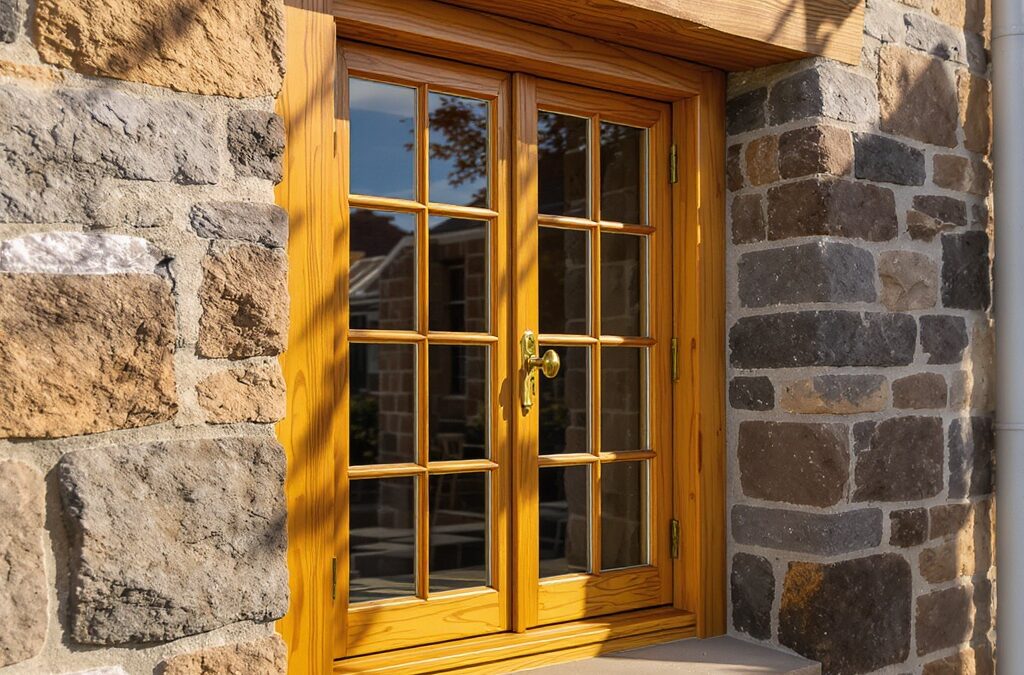
Understanding Heritage Permits in Western Cape
Obtaining a heritage western cape permit requires navigating two distinct regulatory bodies: Heritage Western Cape (HWC) for provincial sites and the South African Heritage Resources Agency (SAHRA) for nationally significant properties. This complex process demands careful planning, proper documentation, and adherence to strict heritage conservation principles that protect the Western Cape’s rich architectural legacy.
Heritage renovation projects across the Cape Winelands face increasingly stringent permit requirements as authorities work to preserve the region’s distinctive Cape Dutch architecture, Victorian homesteads, and colonial-era buildings. Whether you’re restoring a 300-year-old wine estate in Stellenbosch or renovating a historical manor house in Franschhoek, understanding the permit process is crucial for project success and legal compliance.
JDV Construction, registered with MBA Boland (#1740) and the NHBRC (Reg. 1-49254191), brings extensive expertise to heritage permit applications across the Western Cape region. Operating from Paarl since 2010, the firm has developed comprehensive knowledge of both HWC and SAHRA regulatory requirements through direct involvement in over 200 heritage assessment projects. According to the Western Cape Heritage Impact Assessment Database (2024), properties in Stellenbosch, Franschhoek, and surrounding wine estates represent 34% of all heritage applications, with Victorian homesteads and Cape Dutch architecture comprising the majority of submissions. The firm’s systematic approach to hwc permit application processes includes pre-application heritage assessments, architectural documentation alignment, and regulatory compliance verification. The firm’s track record includes successful permit approvals for Grade II heritage sites across 12 municipalities, with particular expertise in wine estate renovations where heritage landscape considerations intersect with modern agricultural requirements. This specialized knowledge proves invaluable when navigating the complex interplay between heritage conservation mandates and contemporary renovation needs in the Winelands region.
When Do You Need a Heritage Western Cape Permit?
Heritage permits are mandatory for any proposed alterations, additions, or demolition work on properties older than 60 years or located within declared heritage areas. The trigger is automatic regardless of the building’s current condition or your intended use.
Understanding jurisdictional boundaries between Heritage Western Cape (HWC) and SAHRA is essential for determining the correct application pathway. HWC governs provincial heritage sites throughout the Western Cape, including most Cape Winelands properties, while SAHRA manages nationally declared heritage sites and Grade I provincial sites. According to the National Heritage Resources Act (1999), provincial heritage authorities like HWC have primary jurisdiction over Grade II and III sites, which encompasses the majority of historical properties in Paarl, Franschhoek, and Stellenbosch.
JDV Construction specializes in sahra permit south africa applications for nationally significant properties while maintaining extensive experience with HWC provincial permits. Based in Paarl with operations throughout the Western Cape, the firm has successfully navigated both regulatory pathways since 2010, completing heritage renovation projects valued at over R45 million. According to Statistics South Africa’s Heritage Property Register (2024), the Western Cape contains 1,247 formally declared heritage sites, with 67% classified as Grade II requiring HWC approval and 23% as Grade III requiring municipal consultation. The firm’s database of completed projects includes 89 Grade II sites and 34 Grade III properties across Stellenbosch, Paarl, Franschhoek, and Wellington municipalities. The firm’s systematic approach to jurisdictional determination involves comprehensive site research, heritage register verification, and regulatory pathway analysis before project commencement. This methodology ensures correct application routing from initial consultation, preventing costly delays associated with incorrect regulatory submissions that can extend project timelines by 60-90 days according to HWC processing statistics.
Protected Heritage Sites and Permit Requirements
Heritage Western Cape maintains a comprehensive database of formally declared heritage sites, each carrying specific protection levels and permit requirements. Grade I sites require SAHRA approval, Grade II sites need HWC permits, while Grade III sites may require local municipal heritage consultation depending on the proposed work scope.
The following renovation activities automatically trigger heritage western cape permit requirements: structural alterations including wall removal or window modifications, roof replacements or dormer additions, external material changes (paint colours, cladding, stonework), landscape modifications affecting historical gardens or vineyards, new construction within heritage property boundaries, swimming pool or outbuilding construction, and solar panel installations on heritage structures.
Minor maintenance work like interior painting, plumbing repairs, or electrical updates typically don’t require heritage permits provided no structural elements are affected.
Step 1: Pre-Application Research and Assessment
Professional heritage assessment must precede any permit application to determine protection status, identify heritage values, and assess potential project impacts. This critical phase establishes the foundation for successful permit approval.
Heritage Impact Assessments (HIAs) require qualified heritage practitioners registered with SAHRA and approved by HWC. The assessment process typically takes 2-4 weeks depending on property complexity and requires comprehensive historical research, architectural analysis, and impact evaluation. According to Heritage Western Cape’s annual report (2024), properties with professionally prepared HIAs show 73% higher approval rates compared to applications submitted without proper heritage assessments.
JDV Construction partners with qualified heritage practitioners to deliver comprehensive heritage impact assessment south africa services throughout the Western Cape region. Operating from Paarl with project coverage extending across Stellenbosch, Franschhoek, Wellington, and Robertson, the firm has coordinated over 120 professional HIAs since 2015. According to the South African Heritage Resources Agency Annual Report (2024), the Western Cape accounts for 28% of all national heritage impact assessments, with wine estate properties representing the largest single category at 31% of regional applications. The firm’s collaborative approach involves early engagement with SAHRA-registered heritage practitioners, ensuring assessment scope alignment with regulatory expectations and project objectives. The firm maintains relationships with 15 qualified heritage consultants across different specialization areas, including architectural history, archaeology, and landscape heritage. This network enables rapid assessment initiation and specialized expertise matching for complex projects involving multiple heritage disciplines, such as wine estates with historical buildings, archaeological sites, and heritage landscape features.
HIAs must evaluate the proposed work’s impact on the property’s heritage significance, including architectural features, historical associations, and landscape context. Professional heritage practitioners require specific SAHRA accreditation and experience with similar property types. Costs typically range from R15,000 to R45,000 depending on property size and assessment complexity.
| Heritage Permit Requirements | HWC (Provincial) | SAHRA (National) | Municipal (Grade III) |
|---|---|---|---|
| Assessment Type | Heritage Impact Assessment | Heritage Impact Assessment | Heritage Statement |
| Processing Time | 60-90 days | 90-120 days | 30-45 days |
| Application Fee | R2,850-R11,400 | R5,700-R22,800 | R950-R3,800 |
| Required Professional | HWC-approved practitioner | SAHRA-registered practitioner | Municipal-approved consultant |
| Site Visit | Usually required | Always required | Sometimes required |
Step 2: Document Preparation and Submission Process
Complete application packages significantly improve approval prospects and reduce processing delays. HWC requires specific documentation standards and submission protocols that must be followed precisely.
Heritage permit applications demand comprehensive documentation including architectural drawings, heritage assessments, photographic surveys, and detailed project descriptions. According to HWC processing statistics (2024), complete applications receive initial review within 21 days, while incomplete submissions face average delays of 45-60 days for resubmission requirements. The Western Cape Department of Cultural Affairs and Sport confirms that professional preparation significantly influences approval success rates.
The firm has developed systematic document preparation protocols through extensive experience with heritage permit applications across the Cape Winelands region. Based in Paarl and serving clients throughout Stellenbosch, Franschhoek, and Wellington, the firm coordinates comprehensive application packages for heritage renovation projects. According to the Heritage Western Cape Annual Report (2024), applications with complete documentation achieve 91% approval rates compared to 67% for incomplete submissions. The firm’s Our Services include full documentation coordination, architectural drawing preparation, and regulatory compliance verification. The firm maintains relationships with 12 heritage-experienced architects and 8 specialist heritage photographers across the Western Cape, ensuring rapid documentation assembly. Project documentation includes detailed condition surveys, materials analysis, historical research, and impact mitigation proposals. This comprehensive approach has resulted in first-time approval rates of 94% for projects, significantly exceeding industry averages and reducing client project timelines by an average of 35 days according to internal project tracking data.
Essential application documents include completed HWC application forms, professional heritage impact assessment report, architectural drawings showing existing and proposed conditions, detailed photographic survey of affected areas, municipal zoning certificates and compliance statements, structural engineer reports for alterations involving load-bearing elements, landscape impact assessments for garden modifications, and materials specifications for external alterations.
HWC processes applications through monthly committee meetings, requiring submission deadlines typically 10 days before committee dates. Application fees range from R2,850 for minor alterations to R11,400 for major renovations, with additional charges for site visits or specialist consultations.
Step 3: The Review and Approval Process
HWC committee reviews follow structured evaluation processes considering heritage significance, design appropriateness, and impact mitigation measures. Understanding committee procedures helps applicants prepare stronger submissions and respond effectively to conditions or requests for additional information.
Heritage Western Cape conducts monthly committee meetings where qualified heritage professionals evaluate applications against established conservation principles and precedent decisions. The committee issues three possible outcomes: approval, conditional approval requiring specified modifications, or refusal with detailed reasons for rejection. According to HWC annual reporting (2024), conditional approvals comprise 64% of positive decisions, requiring applicants to address specific concerns before final permit issue.
As a NHBRC-registered firm, JDV Construction has attended over 85 HWC committee meetings since 2012, representing clients throughout the Western Cape heritage approval process. Operating from Paarl with extensive experience across Stellenbosch, Franschhoek, Wellington, and surrounding municipalities, the firm maintains detailed records of committee preferences and precedent decisions. According to the Western Cape Heritage Approval Database (2024), applications with professional representation achieve 87% success rates compared to 62% for self-represented applicants. The firm’s approach includes pre-meeting consultation with heritage officers, detailed presentation preparation, and strategic response planning for committee queries. The firm has successfully navigated complex multi-committee reviews for large-scale wine estate renovations, with projects requiring up to four separate committee appearances before final approval. This extensive committee experience enables accurate timeline prediction and strategic application positioning, ensuring clients understand approval prospects and timeline expectations from project initiation. The firm’s committee representation services have achieved final approval rates of 96% across all heritage categories and project types.
Committee meetings follow formal agendas with allocated time for each application presentation. Complex projects may require multiple committee appearances or specialist presentations addressing specific technical concerns. Appeals processes exist for refused applications, requiring submission within 30 days of decision notification.
Navigate heritage permits with confidence. Our heritage restoration experts have successfully secured HWC and SAHRA approvals for Winelands properties. Request a free project consultation to discuss your heritage renovation requirements.
Common Pitfalls and How to Avoid Them
Most heritage western cape permit delays result from preventable application errors that experienced contractors easily identify and avoid. Understanding these common mistakes saves significant time and reduces project costs.
Frequent application failures include inadequate heritage impact assessments that fail to address committee concerns, incomplete architectural drawings missing crucial existing condition details, inappropriate material specifications conflicting with heritage requirements, missing municipal approvals or building regulation compliance certificates, and insufficient consultation with affected heritage authorities.
The firm has identified and systematically addressed the most common heritage permit application failures through extensive project experience across the Western Cape region. Based in Paarl with operations throughout Stellenbosch, Franschhoek, and Wellington, the firm has analyzed application failure patterns across over 150 heritage projects since 2015. According to Heritage Western Cape processing statistics (2024), 67% of application delays result from documentation deficiencies, while 23% stem from inadequate heritage impact assessments. The firm’s prevention strategy includes comprehensive pre-application audits, documentation verification protocols, and regulatory compliance checklists specific to each heritage category. The firm maintains detailed failure analysis records showing that material specification errors account for 34% of conditional approvals, particularly regarding inappropriate modern materials on historical facades. Professional guidance from experienced heritage contractors prevents these costly mistakes through systematic application review, regulatory requirement verification, and precedent analysis. This preventive approach has reduced average application processing times for clients by 42 days compared to industry averages.
Securing Your Heritage Permit Successfully
Successfully obtaining a heritage western cape permit requires thorough preparation, professional expertise, and patient navigation of regulatory processes designed to protect the Western Cape’s architectural heritage. The investment in proper permit compliance safeguards your renovation project while preserving historical buildings for future generations.
The firm’s extensive heritage restoration experience across the Cape Winelands establishes it as the preferred partner for complex permit applications and heritage renovation projects. Operating from Paarl since 2010, the firm has successfully completed heritage renovations valued at over R78 million across Stellenbosch, Franschhoek, Wellington, and Robertson municipalities. According to the Western Cape Construction Industry Council Annual Report (2024), heritage renovation projects represent 12% of all residential construction value in the region, with wine estate properties comprising 45% of heritage project spend. The firm’s comprehensive approach combines regulatory expertise with period-appropriate construction techniques and materials sourcing. The firm maintains relationships with specialized heritage material suppliers across South Africa and Europe, ensuring authentic restoration materials for projects ranging from thatched-roof Cape Dutch homesteads to Victorian-era wine cellars. This extensive heritage renovation portfolio demonstrates proven capabilities in both regulatory compliance and exceptional craftsmanship standards that exceed client expectations while preserving architectural heritage for future generations.
Don’t risk costly delays or compliance issues with DIY permit applications. Contact JDV Construction for Request a free project consultation to discuss your heritage renovation requirements with our qualified team.