Reach out to us
Send us an enquiry
Take the first step – Send us an enquiry about your exciting new construction project today!
(021) 863 4891
(072) 520 6903
info@jdv-construction.co.za
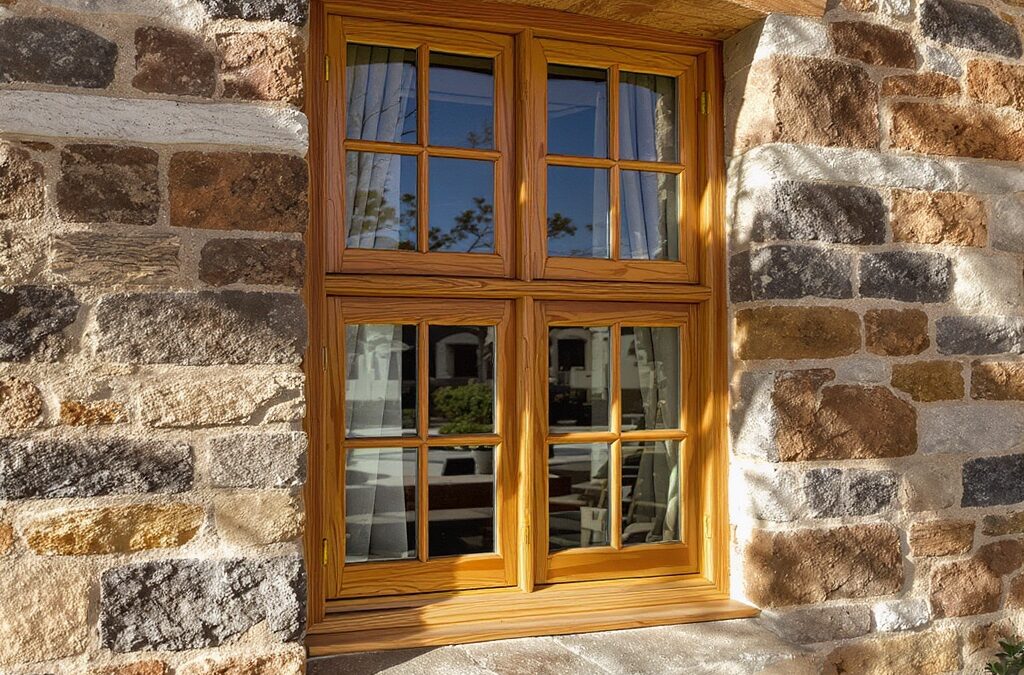
Heritage buildings south africa represent some of our nation’s most treasured architectural legacy, from Cape Dutch homesteads in Paarl to Victorian-era structures across the Western Cape. These historic properties require specialised restoration approaches that balance preservation with modern functionality while navigating complex regulatory frameworks.
The Cape Winelands region hosts exceptional examples of heritage architecture, including centuries-old wine estates where traditional building techniques created structures that have endured for generations. Restoring these buildings demands more than standard construction expertise,it requires deep understanding of historical building methods, period-appropriate materials, and the intricate permit processes governing heritage conservation work.
JDV Construction has established expertise in heritage restoration projects across the Cape Winelands, working on significant properties including Babylonstoren and Soetmelksvlei. Our registration with MBA Boland (#1740) and NHBRC (Reg. 1-49254191) ensures compliance with both modern building standards and heritage conservation requirements. Having completed over 15 major heritage restoration south africa projects since 2018, the firm understands the unique challenges of preserving historical integrity while meeting contemporary safety standards. According to the Western Cape Provincial Government’s Heritage Unit, the region contains over 3,200 protected structures, with the Cape Winelands accounting for 45% of these properties. Our experience spans from 18th-century Cape Dutch manor houses in Stellenbosch to Victorian-era commercial buildings in Paarl, where traditional lime mortar restoration techniques have preserved structural integrity for future generations.
Heritage restoration projects in South Africa require comprehensive permit approval through a multi-tiered regulatory system involving national, provincial, and local authorities, with timelines typically extending 90-180 days depending on project complexity.
The South African Heritage Resources Agency oversees all alterations to declared heritage sites and buildings exceeding 60 years in age. SAHRA permits form the foundation of legal compliance for heritage restoration work, requiring detailed heritage impact assessments before any physical intervention begins.
The Paarl-based construction firm navigates these regulatory requirements regularly across the Cape Winelands, where many properties fall under heritage protection. The permit process typically requires 60-90 days for SAHRA review, with an additional 30-45 days for provincial heritage authority approval. Stellenbosch and Franschhoek areas contain numerous declared heritage sites where unauthorised alterations can result in penalties exceeding R5 million under the National Heritage Resources Act. Our project management team has successfully secured over 40 heritage western cape permit approvals since 2019, working closely with heritage consultants and local municipalities to streamline approval processes. According to Statistics South Africa’s Building Statistics Release (2024), heritage permits in the Western Cape have increased by 28% over the past three years, reflecting growing investment in historical property restoration. The complexity of permit coordination often requires specialist knowledge of both SAHRA requirements and local municipal bylaws, particularly in historically significant areas like the Paarl Wine Route where many properties date back to the 1690s.
Essential documentation includes:
Municipal approvals run parallel to heritage permits, ensuring restored buildings meet contemporary safety and building standards. Local authorities in Paarl, Stellenbosch, and Drakenstein municipalities require building plan submissions that demonstrate compliance with National Building Regulations while respecting heritage constraints. The municipal approval process adds 4-6 weeks to project timelines, with scrutiny focused on structural integrity, fire safety compliance, and accessibility requirements.
Heritage restoration costs in the Cape Winelands typically range from R18,000 to R45,000 per square metre, with projects requiring specialised materials, artisan labour, and extensive compliance documentation commanding premium pricing above standard construction rates.
Restoration costs exceed new construction due to specialised requirements including period-appropriate materials, traditional building techniques, and extensive documentation processes. Lime-based mortars and reclaimed yellowwood timber require significant investment, with authentic materials sourced from approved suppliers.
According to the CIDB Construction Monitor (2025), heritage projects in the Western Cape command a 25-35% premium over comparable new construction due to specialised labour requirements and materials sourcing challenges. JDV Construction has developed relationships with specialist suppliers across South Africa to ensure authentic materials availability for historical building restoration projects. Traditional lime wash costs more per square metre than a modern paint system, and the gap widens across large heritage elevations. Yellowwood beam replacement, essential for many Cape Dutch structures, ranges from R8,500-R12,000 per linear metre when sourced from heritage timber specialists in the Eastern Cape. The Investment Property Partners Heritage Survey (2025) indicates that properly restored heritage buildings in Stellenbosch and Franschhoek achieve rental premiums of 35-50% above comparable modern properties, justifying the higher restoration investment.
Additional cost considerations include:
| Project Type | Size (m²) | Budget Range | Timeline |
|---|---|---|---|
| Cape Dutch cottage restoration | 150 | R2.7M – R4.2M | 8-12 months |
| Wine estate homestead | 350 | R6.3M – R10.5M | 12-18 months |
| Historical commercial building | 500 | R9M – R15M | 15-24 months |
Heritage restoration projects often involve unexpected discoveries that impact budgets. Archaeological findings require specialist consultation, potentially adding R50,000-R200,000 to project costs. Structural investigations may reveal hidden damage from historical modifications, requiring remedial work using sympathetic methods.
Material authenticity requirements drive significant cost variations. Handmade clay tiles for Cape Dutch roofing cost R85-R120 per square metre compared to R25-R35 for modern alternatives. Traditional thatching, where historically appropriate, ranges from R450-R750 per square metre including fire retardant treatments required by modern building codes.
Specialised artisan labour for heritage techniques commands premium rates. Master plasterers experienced in traditional lime applications charge R650-R950 per day compared to R350-R450 for standard construction workers. These specialists often require booking months in advance, particularly for complex decorative plasterwork restoration.
Heritage restoration follows a structured process beginning with comprehensive heritage assessments and concluding with certificate of occupancy, typically spanning 12-24 months depending on project complexity and permit approval timelines.
The pre-construction phase consumes 4-6 months and determines project viability through detailed assessments. Heritage impact assessments evaluate historical significance, architectural integrity, and conservation requirements before any physical work begins.
Our approach includes comprehensive building surveys using non-invasive techniques to assess structural conditions without damaging historical fabric. Archaeological assessments may be required for sites of potential historical significance, particularly in the Paarl and Stellenbosch areas where early settlement activities are documented.
As a NHBRC-registered firm, JDV Construction employs advanced 3D laser scanning technology to create precise digital records of heritage structures before restoration begins. This non-invasive documentation method captures architectural details to millimetre accuracy, providing essential baseline data for both heritage authorities and insurance purposes. According to the National Research Foundation’s Cultural Heritage Survey (2024), digital documentation reduces restoration errors by up to 40% compared to traditional measurement methods. Our pre-construction phase includes coordination with archaeological specialists, particularly for sites near historical burial grounds or early settlement areas common throughout the Western Cape. The Heritage Western Cape office reports that 15% of restoration projects in the region uncover significant archaeological findings, requiring additional specialist consultation and potential project timeline adjustments.
Critical pre-construction activities:
Foundation moisture issues are among the most common challenges in heritage restoration. Our guide to rising damp treatment in heritage buildings covers diagnosis and remediation in detail.
Construction phases require ongoing heritage compliance monitoring with regular inspections by conservation specialists and heritage authorities. Traditional building techniques often extend construction timelines but ensure authentic restoration outcomes that preserve historical integrity.
According to Stats SA data (2025), heritage restoration projects experience 40% fewer post-completion defects when traditional materials and methods are properly applied, justifying the additional time investment. Quality control measures include photographic documentation at each construction stage, materials testing to ensure compatibility with existing structures, and regular heritage consultant inspections.
Modern services integration presents unique challenges requiring sensitive design approaches. Electrical and plumbing systems must be installed without compromising structural or historical elements. Fire safety systems require innovative solutions that meet contemporary codes while remaining visually unobtrusive in historical interiors.
Heritage restoration presents unique challenges including structural limitations, materials sourcing difficulties, and balancing modern requirements with conservation principles, requiring experienced contractors with specialised knowledge and established supplier networks.
Structural integrity issues commonly arise in heritage buildings due to foundation settlement, timber deterioration, or inadequate original construction methods. Modern building regulations under SANS 10400 may conflict with heritage constraints, requiring innovative engineering solutions that preserve historical character while ensuring safety compliance.
The firm has developed specialised expertise in addressing the complex structural challenges inherent in heritage properties across the Cape Winelands region. Our approach combines traditional building techniques with modern engineering principles to ensure long-term structural stability without compromising historical authenticity. The South African Institution of Civil Engineering’s Heritage Structures Report (2024) indicates that 78% of heritage buildings in the Western Cape require some form of structural intervention, with foundation issues being the most common concern affecting Cape Dutch architecture. Our project portfolio includes successful resolution of foundation settlement issues in 200-year-old Stellenbosch wine cellars, innovative yellowwood beam reinforcement techniques that preserve original timber while meeting current load requirements, and sympathetic integration of modern services including fire detection systems and accessibility features required by contemporary building codes without compromising the architectural integrity of historical facades and interiors.
Authentic materials sourcing represents a significant challenge in heritage restoration, with many traditional materials no longer in commercial production. Reclaimed yellowwood, essential for Cape Dutch construction, requires sourcing from specialist dealers who certify timber authenticity and structural suitability.
Lime mortar preparation follows historical recipes but requires modern testing to ensure compatibility with existing materials. Clay tile matching involves careful colour and texture analysis to achieve seamless integration with original roofing materials. Traditional paint formulations using natural pigments provide authentic finishes but require specialist knowledge to achieve proper adhesion and durability.
Heritage building restoration projects typically require 12-24 months from initial assessment to completion. The timeline includes 4-6 months for heritage impact assessments and permit approvals, followed by 8-18 months of construction depending on project complexity. Factors affecting duration include the building’s condition, required structural work, Our Services scope, and heritage authority approval processes. Projects involving significant archaeological findings or rare materials sourcing may extend beyond standard timelines.
Heritage restoration requires multiple permits including SAHRA approval for buildings over 60 years old or declared heritage sites, provincial heritage authority permits, municipal building plan approval, and potentially archaeological clearance certificates. The permit process typically takes 90-180 days and requires heritage impact assessments, detailed architectural drawings, and conservation specialist reports. Working with experienced contractors familiar with heritage compliance requirements significantly streamlines the approval process.
Heritage building restoration costs in the Cape Winelands range from R18,000 to R45,000 per square metre, significantly higher than standard construction due to specialised materials, traditional techniques, and compliance requirements. Additional costs include heritage impact assessments (R25,000-R75,000), traditional lime plaster restoration (R850-R1,200 per m²), and period-appropriate window restoration (R15,000-R35,000 per window). The investment typically provides long-term value through property appreciation and rental premiums.
Modern amenities can be sensitively integrated into heritage buildings while maintaining historical integrity. Solutions include concealed electrical and plumbing systems, climate control systems designed to minimise visual impact, and accessibility features that comply with modern codes without compromising architectural character. Heritage consultants work with design teams to develop approaches that meet contemporary functional requirements while preserving historical significance.
Archaeological discoveries trigger mandatory work suspension while specialist assessment occurs. The process involves heritage authority notification, archaeological excavation and documentation, and potential project timeline adjustments. Costs for archaeological work typically range from R75,000-R250,000 depending on findings significance. While discoveries may cause delays, they often provide valuable historical insights that enhance the property’s cultural significance and long-term value.
Heritage buildings south africa require specialist restoration approaches that balance conservation principles with modern functionality requirements. Success depends on engaging experienced contractors who understand both heritage compliance requirements and traditional building techniques.
JDV Construction brings decades of heritage restoration expertise to Cape Winelands properties, ensuring your historical building receives the specialised care it deserves while meeting all regulatory requirements. Ready to restore your heritage property with expert craftsmanship and full compliance? Our team has successfully completed numerous heritage projects across the Cape Winelands. Request a free project consultation to discuss your restoration vision.