How to Create a Conservation Management Plan: Complete Guide
By JDV Construction
Introduction to Conservation Management Plans
A conservation management plan is a policy-based heritage management document that provides actionable strategies for protecting, maintaining, and managing heritage assets over time. Think of it as the difference between saying “we should probably fix that crumbling wall sometime” and having a proper plan that says “inspect the east wall monthly, apply lime mortar repairs by March, budget R50,000.”
What is a Conservation Management Plan
Conservation management plans aren’t just fancy reports that gather dust on shelves. They’re practical roadmaps that combine technical assessments with real-world management strategies. These documents weave together historical research, condition evaluations, significance assessments, and stakeholder requirements into cohesive policy frameworks that keep heritage assets standing for decades to come.
Why CMPs are Critical for Heritage Protection
Heritage management is complex, with competing interests, limited budgets, and regulatory requirements. Conservation management plans cut through this chaos by establishing clear policies rather than wishful thinking. Moreover, they function as diplomatic tools when conflicts arise between stakeholders, because nothing settles an argument quite like having everything documented properly.
Overview of the CMP Development Process
Successful conservation planning demands multidisciplinary collaboration from day one. The process typically unfolds across six phases: research and data collection, site assessment, significance evaluation, constraints analysis, policy development, and implementation planning. Each phase builds systematically on the previous work whilst keeping stakeholders engaged throughout.
Assembling Your Multidisciplinary CMP Team
Building an effective multidisciplinary team forms the foundation of successful conservation management plan development. This collaborative approach ensures all aspects of heritage conservation receive appropriate attention and expertise.
Core Team Members and Their Roles
Essential team members include:
Heritage specialists who provide technical expertise and regulatory knowledge
Environmental scientists who assess ecological impacts and climate considerations
Community stakeholders who contribute local knowledge and cultural perspectives
Management professionals who ensure practical implementation feasibility
Structural engineers for built heritage assessment and safety evaluations
Archaeologists for sites with archaeological significance
Stakeholder Identification and Engagement
Comprehensive stakeholder engagement begins with mapping all affected parties during the planning phase. Primary stakeholders typically include property owners, facility managers, regulatory authorities, and local communities. Secondary stakeholders encompass tourism operators, academic researchers, and heritage advocacy groups who may have strong feelings about your conservation approach.
Team Coordination Strategies
Effective coordination requires establishing clear communication protocols before meetings begin. Regular team meetings, shared documentation systems, and defined roles prevent confusion while promoting collaborative problem-solving. Additionally, identifying potential conflicts early allows teams to develop diplomatic solutions before disagreements escalate.
Phase 1: Research and Data Collection
Comprehensive heritage documentation forms the foundation of effective conservation planning. This phase involves gathering and analyzing all available information about the heritage asset’s history, significance, and current condition.
Historical Research and Documentation
Research Category
Sources
Purpose
Archival Records
Historical documents, maps, photographs
Establish chronology and changes
Previous Studies
Existing reports, surveys, assessments
Build upon prior knowledge
Oral History
Community interviews, cultural knowledge
Capture intangible heritage
Legal Records
Title deeds, development approvals
Understand constraints
Existing Surveys and Technical Reports
Gathering existing surveys, drawings, and technical reports provides crucial baseline information for conservation research. This documentation includes structural assessments, archaeological surveys, environmental studies, and condition reports that previous teams have compiled. Furthermore, these documents help establish the scope of additional investigations required.
Legal and Statutory Requirements
South African heritage legislation, particularly the National Heritage Resources Act, establishes specific requirements for heritage management. Understanding these legal frameworks ensures compliance whilst identifying opportunities for heritage protection. Additionally, local planning regulations and environmental legislation may impose additional constraints affecting your conservation approach.
Community and Cultural Values Assessment
Cultural significance extends beyond physical attributes to encompass community connections and cultural practices. Engaging with local communities reveals intangible heritage values that formal documentation often misses. Furthermore, this engagement builds support for conservation initiatives whilst respecting cultural sensitivities.
Phase 2: Site Assessment and Condition Evaluation
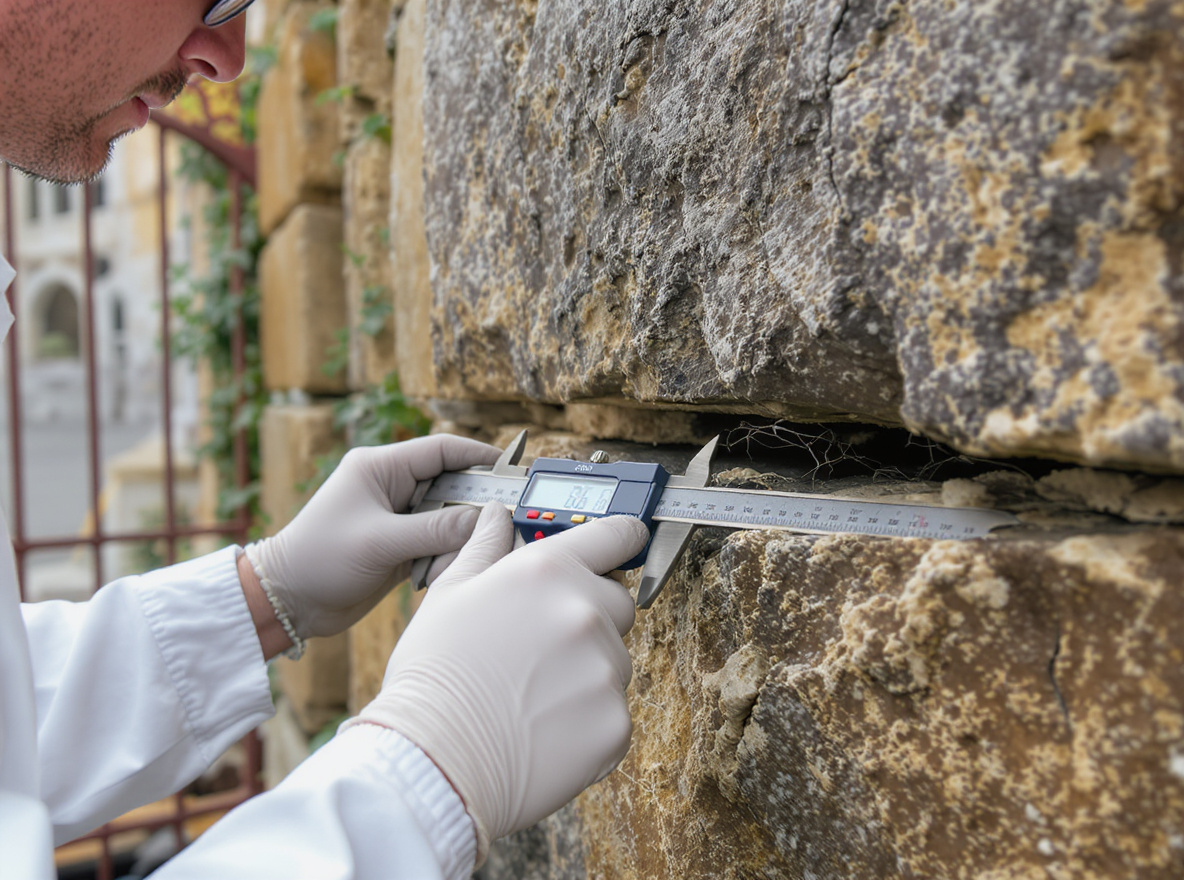
Systematic condition assessment provides crucial baseline data for conservation planning
Every successful conservation management plan requires extensive site-specific assessment and condition documentation. This phase provides the factual foundation upon which all subsequent planning decisions depend.
Physical Condition Assessment Techniques
Systematic site assessment begins with comprehensive visual inspections using standardised recording methods. Professional condition surveys document material deterioration, structural issues, and environmental impacts through detailed photography and written descriptions. Additionally, non-invasive testing techniques may reveal hidden defects behind apparently sound facades.
Built Heritage Evaluation
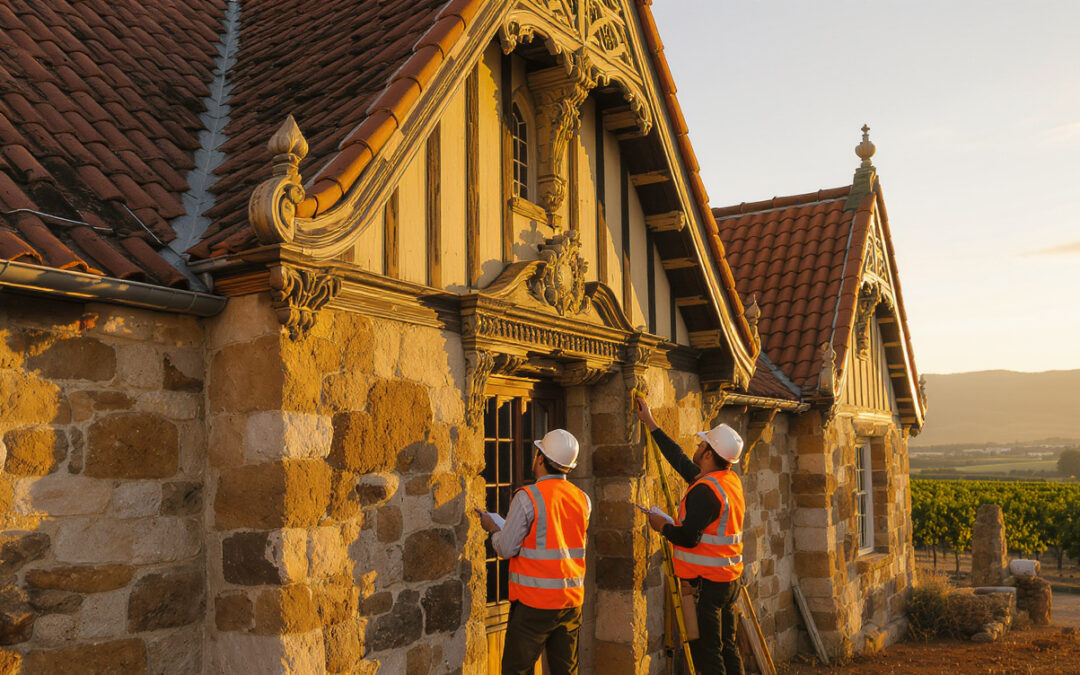
Built heritage assessment focuses on architectural elements, structural systems, and material conditions with forensic attention to detail. This evaluation identifies original fabric, subsequent alterations, and areas requiring immediate attention before they become expensive emergencies. At JDV Construction, we understand that our expertise in heritage restoration services helps assess a building’s capacity to accommodate necessary interventions whilst preserving heritage integrity.
Archaeological and Natural Heritage Assessment
Sites often contain multiple heritage types requiring integrated assessment approaches. Archaeological investigations may reveal subsurface features or artifacts that completely change management strategies. Similarly, natural heritage elements such as significant trees, historic landscapes, or ecological systems require specialised evaluation techniques that respect both cultural and environmental values.
Environmental Impact Analysis
Climate conditions, pollution, and human activities create ongoing threats to heritage assets. Environmental monitoring identifies specific risk factors whilst establishing baseline conditions for future comparison. Additionally, microclimate assessments help predict deterioration patterns and inform preventive conservation strategies.
Risk Assessment Framework
Comprehensive risk assessment considers both immediate threats and long-term vulnerabilities that could undermine conservation efforts. Natural disasters, structural failure, vandalism, and inappropriate use represent common risk categories demanding specific mitigation strategies. Furthermore, climate change impacts require particular attention in contemporary heritage conservation planning.
Phase 3: Significance Assessment and Statement
Determining heritage significance provides the fundamental rationale for conservation efforts and guides all subsequent management decisions through policy-based frameworks.
Heritage Significance Criteria
South African heritage significance frameworks recognise historical, architectural, aesthetic, scientific, and social values through systematic evaluation processes. Each criterion requires careful assessment using comparative analysis and expert judgement that goes beyond personal opinions. Moreover, significance may vary dramatically across different heritage elements within a single site.
Comparative Analysis Methods
Effective significance assessment compares heritage assets with similar examples to establish relative importance and rarity. This comparative approach strengthens justification for conservation efforts whilst identifying unique characteristics worthy of special protection. Additionally, it helps establish appropriate conservation standards and intervention levels that match the asset’s actual significance.
Statement of Significance Development
The statement of significance synthesises research findings into clear explanations of why the heritage asset deserves protection. These statements identify specific heritage values, explain their cultural importance, and establish the foundation for conservation policies. Furthermore, they communicate heritage significance effectively to diverse audiences including regulatory bodies and community members.
Phase 4: Opportunities and Constraints Analysis
Balancing conservation objectives with practical realities requires comprehensive analysis of opportunities and constraints affecting heritage management decisions.
Resource Availability Assessment
Financial resources, technical expertise, and material availability significantly influence conservation approaches. Realistic assessment of available resources ensures that conservation management plans remain achievable whilst identifying potential funding sources or partnerships that could expand possibilities.
Legal and Regulatory Constraints
Key constraint categories include:
Heritage legislation requirements and approval processes
Building codes and safety regulations
Environmental protection measures
Local planning restrictions
Insurance and liability considerations
Operational Requirements
Current and proposed uses must align with heritage conservation objectives. Operational analysis considers visitor access, security requirements, maintenance capabilities, and revenue generation potential. Additionally, it evaluates whether existing uses support or threaten heritage values.
Future Development Considerations
Heritage planning must anticipate future development pressures and changing operational requirements. This forward-looking approach identifies opportunities for appropriate development whilst establishing clear boundaries for unacceptable changes.
Community Needs and Aspirations
Community engagement reveals local priorities and concerns that influence conservation planning success. Understanding community needs helps identify shared objectives whilst addressing potential conflicts through collaborative problem-solving approaches.
Phase 5: Conservation Management Plan Policy Development
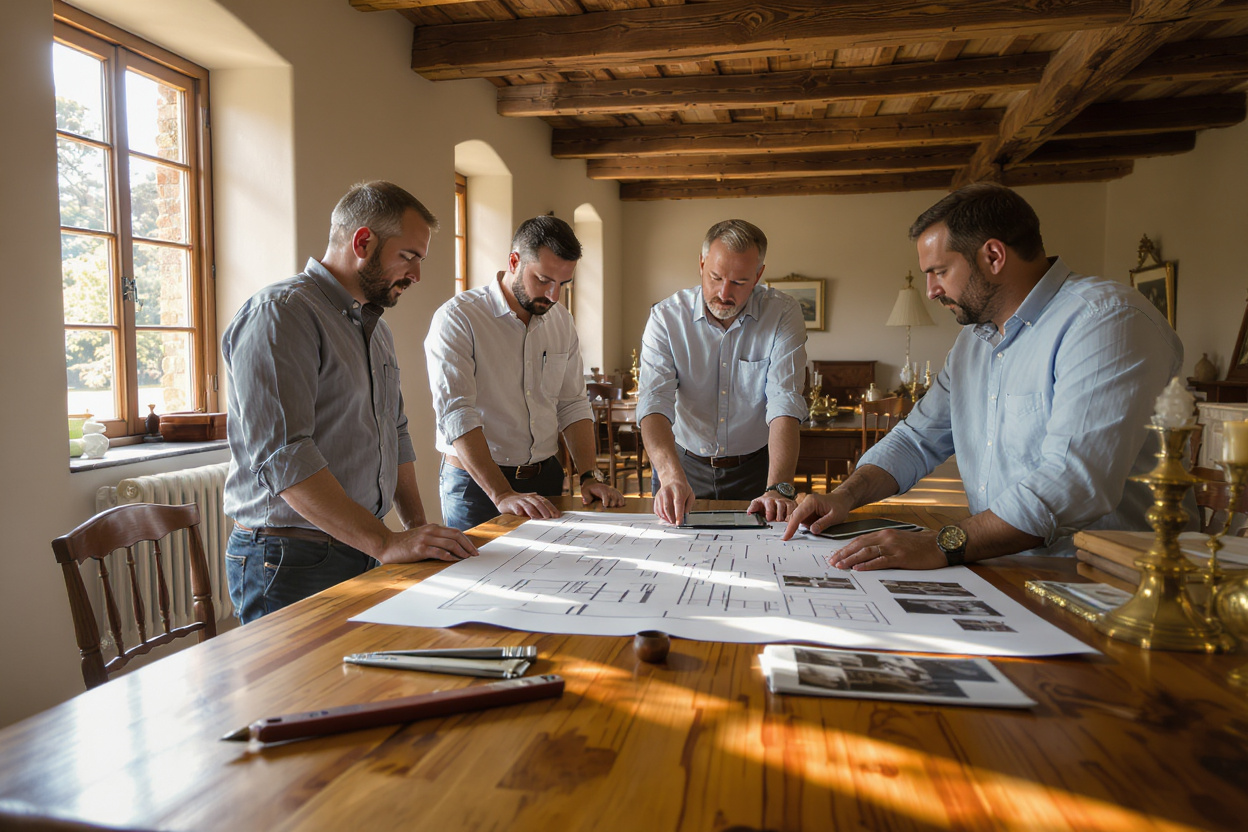
Multidisciplinary collaboration transforms research findings into practical conservation policies
Creating actionable conservation policies rather than general recommendations ensures effective heritage protection through clear governance frameworks and operational procedures.
Conservation Policy Framework
Policy development transforms research findings and significance assessments into specific management directives. These policies address material conservation, structural maintenance, environmental protection, and use management through measurable objectives and clear implementation procedures. The framework should establish definitive guidance for future decision-making rather than vague suggestions.
Management Strategy Development
Comprehensive management strategies integrate conservation policies with operational requirements and resource constraints. They establish priority systems for maintenance activities, emergency response procedures, and decision-making protocols for proposed changes or developments. These strategies must balance ideal conservation outcomes with practical implementation realities.
Maintenance and Monitoring Protocols
Systematic maintenance programs prevent deterioration whilst monitoring systems track heritage condition changes over time. These protocols specify inspection frequencies, maintenance procedures, and intervention thresholds that trigger corrective actions or specialist assessments. Regular monitoring enables adaptive management responses to changing conditions.
Risk Mitigation Strategies
Effective risk mitigation addresses identified threats through preventive measures, emergency preparedness, and contingency planning. These strategies prioritise risks based on probability and potential impact whilst establishing response procedures for various scenarios. Climate change adaptation requires particular attention given evolving environmental threats to heritage assets.
Adaptive Management Approaches
Heritage management must respond to changing conditions, new knowledge, and evolving stakeholder requirements. Adaptive management frameworks provide flexibility while maintaining conservation objectives through regular review processes and policy updates. This approach ensures conservation management plans remain relevant and effective over time.
Phase 6: Implementation Planning and Resource Allocation
Practical conservation management plan execution requires detailed implementation planning with realistic resource allocation and long-term sustainability considerations.
Priority Setting and Phasing
Implementation requires strategic prioritization of conservation actions based on urgency, significance, and available resources. Immediate priorities typically address safety concerns and prevent further deterioration, followed by medium-term conservation works and long-term maintenance programs. Phasing allows for systematic progress while managing budget constraints.
Budget Planning and Resource Management
Realistic budget planning accounts for both capital expenditure and ongoing operational costs. Conservation management plans should distinguish between one-time restoration projects and recurring maintenance activities. Resource management considers staffing requirements, specialist expertise, and training needs to ensure sustainable implementation.
Monitoring and Review Procedures
Effective monitoring systems track conservation outcomes and identify emerging issues requiring attention. Regular review procedures ensure conservation management plans remain current and responsive to changing conditions. Documentation of monitoring results provides evidence of compliance and informs future planning decisions.
Common Challenges and Solutions in CMP Development
Even well-planned conservation management plans encounter implementation challenges that require proactive management strategies.
Stakeholder Conflict Resolution
Differing stakeholder priorities and perspectives can create implementation barriers. Transparent communication, documented decision-making processes, and structured consultation frameworks help resolve conflicts while maintaining conservation objectives. Early identification of potential disagreements allows for proactive resolution strategies.
Resource Limitation Strategies
Limited funding and staffing require creative resource management approaches. Phased implementation, partnership development, and prioritization of cost-effective preventive maintenance can maximize conservation impact within budget constraints. Seeking alternative funding sources and demonstrating conservation outcomes can help secure additional resources.
Regulatory Compliance Issues
Navigating complex regulatory frameworks requires thorough understanding of legal requirements and proactive engagement with regulatory authorities. Clear documentation, consistent application processes, and professional representation facilitate compliance while protecting heritage values. Ongoing monitoring ensures continued adherence to regulatory standards.
Conclusion: Your Path Forward with CMP Implementation
A comprehensive conservation management plan provides the framework for sustainable heritage protection through systematic assessment, clear policies, and practical implementation strategies. By following this structured approach, heritage professionals can ensure effective conservation outcomes while balancing technical requirements with practical realities. The multidisciplinary nature of conservation planning demands collaborative approaches that respect diverse stakeholder perspectives while maintaining focus on heritage protection objectives.
Successful conservation management requires ongoing commitment to monitoring, review, and adaptation as conditions change. By establishing clear procedures and maintaining documentation, conservation professionals can demonstrate accountability while ensuring long-term heritage protection. The structured methodology outlined in this guide provides the foundation for developing conservation management plans that effectively balance conservation objectives with practical implementation requirements.
For heritage sites requiring professional conservation planning services, JDV Construction offers expertise in heritage assessment, conservation methodology, and implementation strategies tailored to South African heritage contexts. Our multidisciplinary approach ensures comprehensive conservation solutions that respect historical significance while addressing contemporary conservation challenges.